Food Processing Wastewater Pretreatment Solutions: Screening, Dissolved Air Flotation Oil Removal, and Flow Equalization
- release date: 2026-05-27 17:37:01
- author: Hongtai Huairui
- Reading: 164
- key words: Food processing wastewater, pretreatment, solid-liquid separation, grease removal, water quality equalization, meat slaughtering, dairy wastewater, fruit and vegetable processing wastewater, brewing wastewater
Food processing wastewater is characterized by high organic loads, high grease content, and significant fluctuations in water quality and flow rate, placing high demands on wastewater treatment systems. In the overall treatment process, the pretreatment stage is the key prerequisite for ensuring the stable operation of downstream biological treatment systems. If wastewater enters biological treatment units without effective pretreatment, it can easily cause sludge bulking, biological treatment failure, and effluent discharge exceeding standards.
This article systematically introduces the three core stages of food processing wastewater pretreatment, including key equipment selection considerations and engineering design recommendations, for reference by food manufacturers and environmental engineering teams.
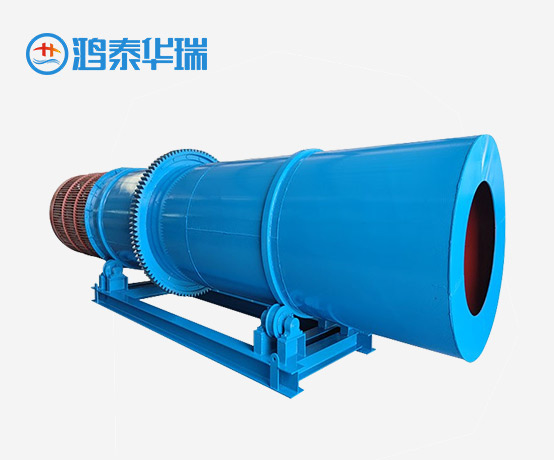
1. Solid Waste Interception: Screens and Rotary Drum Microfilters
The first step of pretreatment is removing solid impurities from wastewater. Common suspended solids in food processing wastewater include meat scraps, bone residues, fruit peels, vegetable leaves, fur fragments, and similar materials. If not intercepted promptly, these materials can clog and wear down downstream pipelines, pumps, and biological treatment systems.
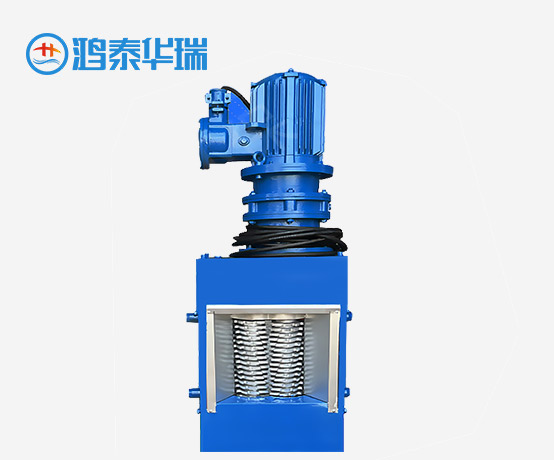
Screens are the most basic solid-liquid separation equipment. By using bars with different spacing, they intercept large-particle impurities. They are suitable for smaller treatment capacities and wastewater containing coarse solids, offering low initial investment and simple operation and maintenance.
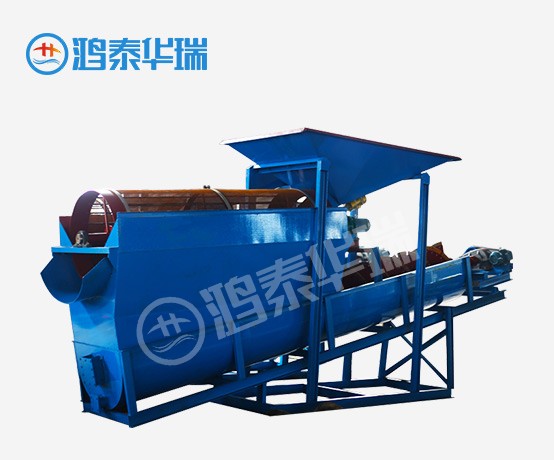
Rotary drum microfilters further improve solid-liquid separation precision beyond conventional screens. They can intercept fine residues larger than 0.25 mm and feature automatic rotating self-cleaning functions, significantly reducing manual labor requirements. For wastewater from meat slaughtering, dairy processing, and fruit and vegetable processing where fine debris is common, rotary drum microfilters effectively reduce wear on downstream pumps and valves, ensuring long-term stable equipment operation while providing lower overall maintenance costs.
Equipment selection recommendations:
For production lines with large daily treatment volumes and high proportions of fine suspended solids, rotary drum microfilters are preferred. Small and medium-sized food processing plants can choose fine screening solutions based on actual wastewater volume and budget.
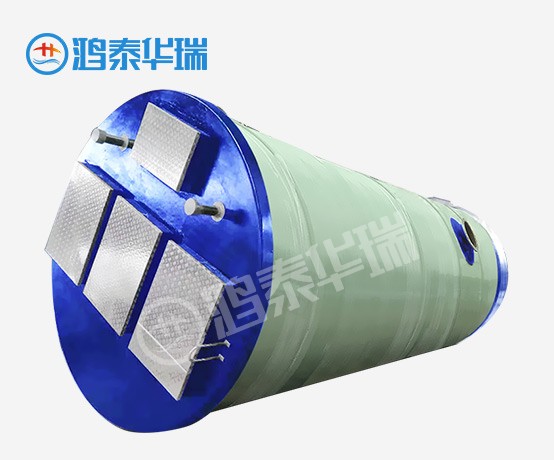
II. Grease Removal: Oil Separation and Dissolved Air Flotation (DAF)
Food processing wastewater contains large amounts of animal and vegetable oils. Emulsified oils, in particular, are difficult to remove through natural sedimentation and represent one of the main risks to biological treatment system failure. Once grease enters biological tanks, it coats activated sludge particles, hinders oxygen transfer, and significantly reduces biological treatment efficiency.
Oil separation tanks remove floating oil from wastewater through gravity separation. They are suitable where grease mainly exists as free-floating oil. The structure is simple, but their effectiveness in removing emulsified oil is limited.
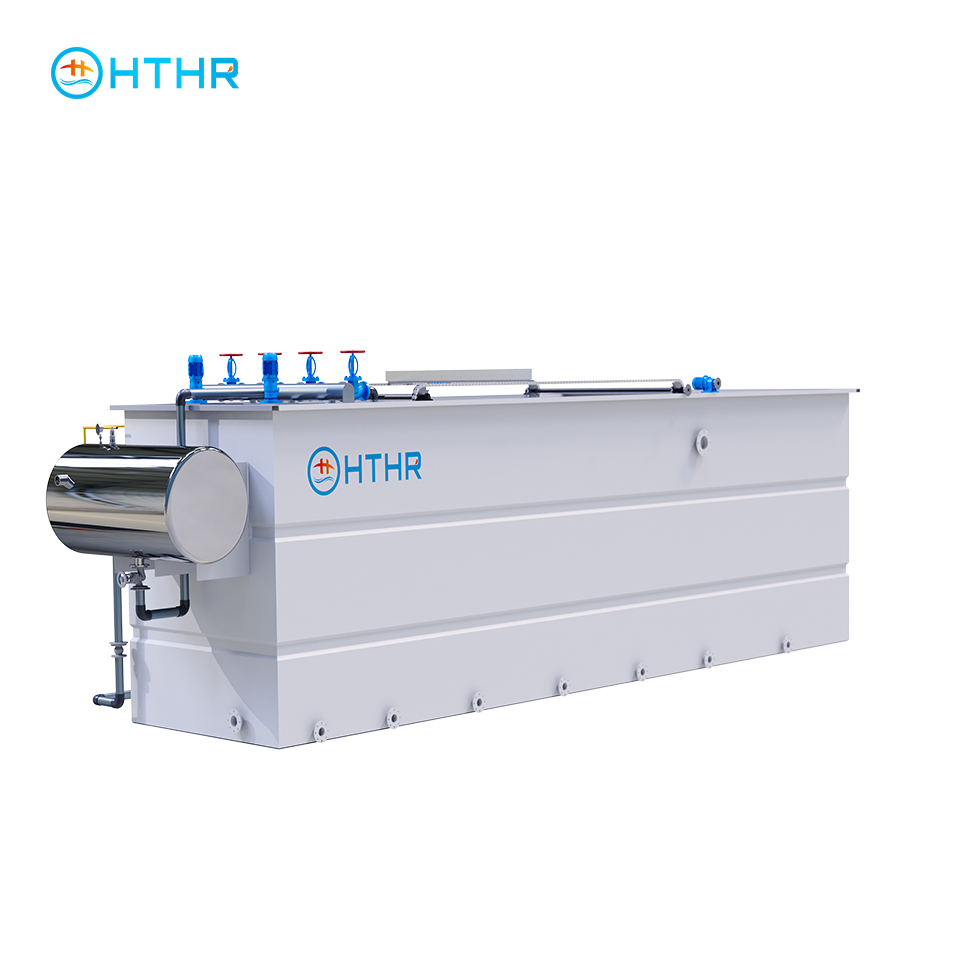
Dissolved Air Flotation (DAF) is currently the mainstream process for grease removal in food wastewater treatment. Its principle is as follows: air is dissolved into wastewater under pressure, and after pressure release, a large number of microbubbles are generated. These microbubbles attach to grease and suspended solids, causing them to float to the surface where they are removed by a skimming system. Engineering practice has verified that DAF can consistently achieve over 90% removal efficiency for animal and vegetable oils while also providing excellent suspended solids (SS) removal performance.
High-efficiency dissolved air flotation units designed for meat processing and dairy wastewater feature high air dissolution efficiency and uniform bubble size distribution. They are especially suitable for wastewater types with high emulsified oil content and difficult oil-water separation characteristics.
Key engineering design considerations:
The flotation unit should generally be installed after the screen/microfilter and before the equalization tank, or alternatively after the equalization tank and before the biological treatment unit, depending on influent water quality and process layout. It is recommended to include a chemical dosing system (coagulants/flocculants) to further improve flotation oil removal performance.
III. Water Quality Equalization: Equalization Tank Design and Function
Wastewater discharge from food factories typically exhibits strong time-based fluctuations. During peak production periods (usually daytime shifts), discharge volume and organic load are high, while during shift changes or nighttime shutdowns, wastewater flow decreases sharply. If wastewater enters the biological treatment system without equalization, concentration shocks and flow fluctuations will continuously disrupt microbial balance in biological tanks, causing system instability.
Equalization tanks store and mix wastewater with sufficient capacity to smooth fluctuations in flow and water quality, providing stable and uniform influent to downstream biological treatment systems.
Key design parameters for equalization tanks:
- Effective volume: Typically designed based on 6–12 hours of average daily wastewater flow. The greater the fluctuation in water quality, the larger the required volume.
- Mixing method: Submersible mixers or aeration mixing are recommended to prevent sediment accumulation and odor generation from wastewater decomposition within the tank.
- Level control: Equipped with level sensors and influent/effluent control valves for automated operation.
Among all pretreatment units, the equalization tank generally requires relatively low investment but has the greatest impact on overall system stability. Its volume should not be reduced merely to lower project costs.
IV. Recommended Overall Pretreatment Process Configuration
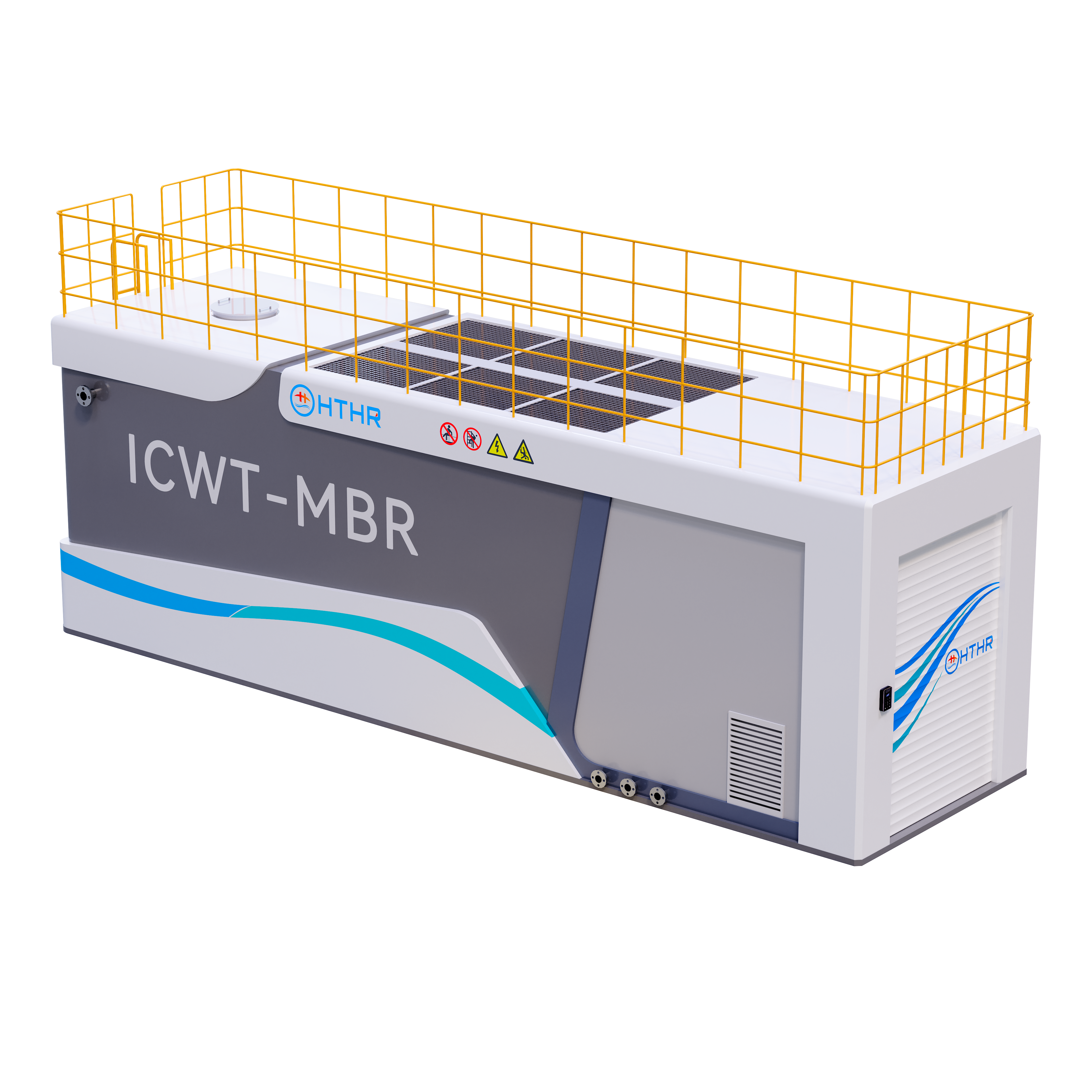
A complete food processing wastewater pretreatment system is generally recommended in the following sequence:
Influent → Screen/Rotary Drum Microfilter (solid removal) → Equalization Tank (flow and quality equalization) → Dissolved Air Flotation (DAF, oil and suspended solids removal) → Downstream Biological Treatment Unit
Alternatively, depending on project requirements, the flotation unit may be installed before the equalization tank to reduce grease accumulation within the equalization tank.
Stable operation of the pretreatment system is the foundation for efficient operation of downstream anaerobic (UASB/IC) and aerobic (A/O, SBR) biological treatment units. It is recommended to conduct targeted design and commissioning of each process unit based on the specific wastewater source characteristics, such as slaughtering, dairy processing, fruit and vegetable processing, or brewing industries.
If you would like further information on complete wastewater treatment process solutions or equipment selection consultation, please feel free to contact our technical team.


 hthrjt2017@gmail.com