The textile printing and dyeing industry has long been a major consumer of water and a significant contributor to wastewater discharge. The path to green transformation has consistently faced challenges, primarily due to the complexity of wastewater treatment. Wastewater generated throughout the processes of desizing, scouring, dyeing, and printing is typically characterized by high color, high chemical oxygen demand (COD), high salinity, and complex composition—making it a significant hurdle for companies striving for compliance. With the recent updates to the GB4287-2012 standard and the implementation of stricter local discharge limits, controlling COD and removing color are no longer optional. Water reuse has become a crucial tool for reducing costs and improving efficiency. To tackle the persistent challenges of stubborn color from reactive and disperse dyes, and the impact of high salinity environments on microbial activity, choosing the right high-efficiency treatment equipment is vital for enabling companies to achieve green development.
The complexity of this wastewater far exceeds that of ordinary industrial wastewater. Some dye molecules contain stable azo, quinone, or chromophoric groups, leading to color concentrations that can be thousands or even tens of thousands of times higher than standard levels, making conventional methods unable to completely degrade them. Additionally, the salt content often exceeds 10,000 mg/L, which can disrupt microbial cell osmotic pressure, drastically reducing the efficiency of biological treatments. With a BOD/COD ratio typically below 0.3, these wastewater streams are extremely difficult to biologically treat. Furthermore, the quality of wastewater can fluctuate significantly across different stages of the production process, with pH levels ranging from 4 to 12, demanding equipment that can withstand these challenges. Traditional "coagulation + biological treatment" methods have reached their limits, often resulting in incomplete decolorization, COD rebound, and unstable operations. To balance environmental compliance with resource recovery, businesses must adopt high-efficiency equipment tailored to their specific wastewater characteristics.
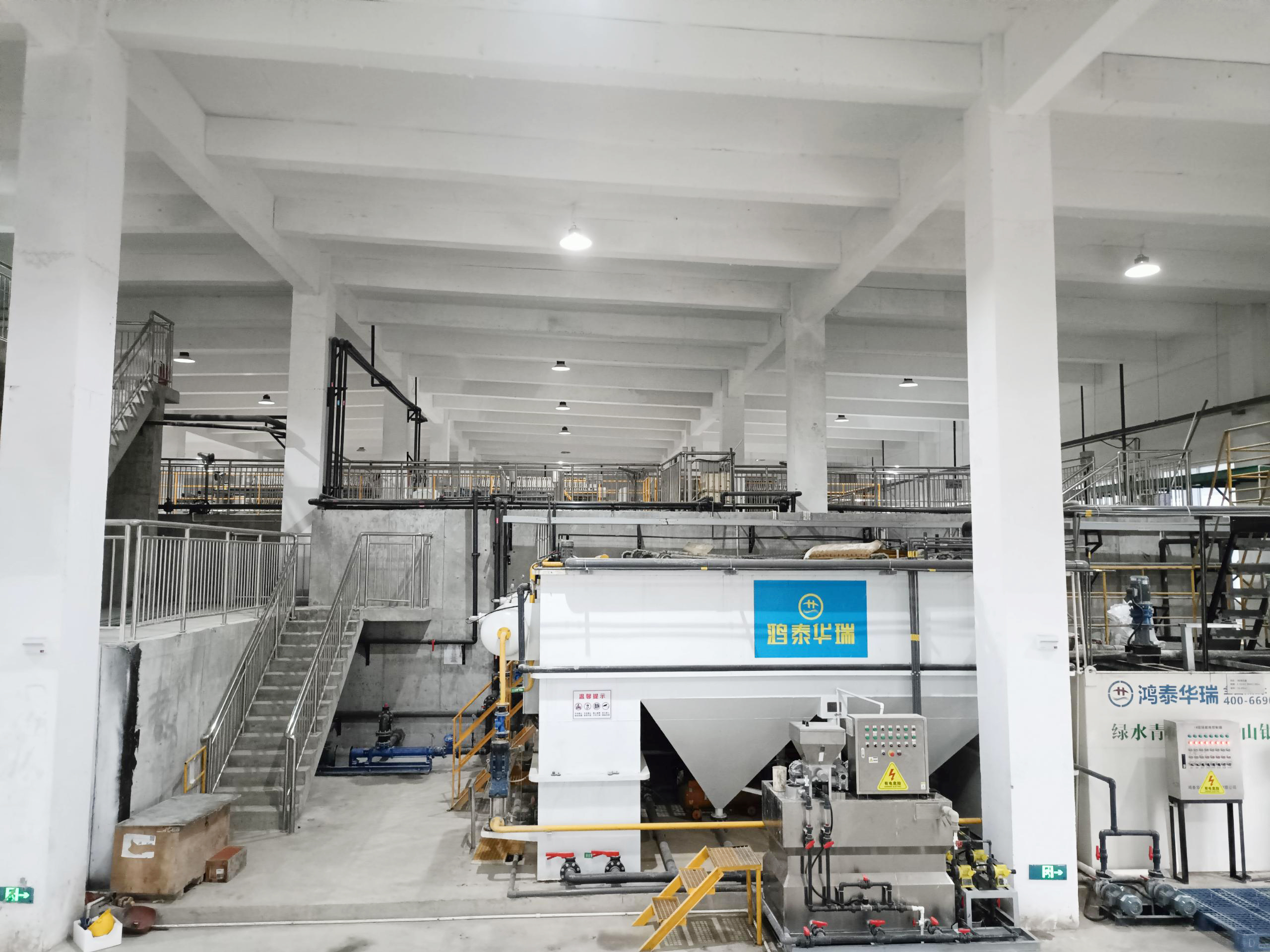
For most textile enterprises, biological treatment remains the go-to method for degrading organic pollutants, offering both cost-effectiveness and environmental benefits, especially for low-to-medium concentration wastewater with poor biodegradability. Among the available technologies, salt-tolerant composite bacterial bio-reactors are specifically designed to address high-salinity wastewater issues. These reactors, equipped with specially cultivated microbial communities, can operate efficiently even in environments with salt concentrations as high as 8%. This technology increases COD degradation efficiency by up to 40% compared to conventional microbial treatments, without the need for additional wastewater dilution, thus reducing fresh water consumption. The system combines "anaerobic hydrolysis + aerobic biofilm" technologies. In the anaerobic stage, large organic molecules like PVA paste are broken down into smaller, more easily degradable compounds, while the aerobic stage achieves further degradation through biofilms. As a result, the COD removal rate consistently exceeds 90%. For example, a denim dyeing factory successfully treated wastewater with COD levels over 8,000 mg/L and salt concentrations exceeding 6%, reducing COD to below 100 mg/L at an operating cost of just 1.2-1.8 yuan per ton of water—ideal for high-salinity dyeing applications.
For higher water quality demands, membrane bioreactors (MBR) are an excellent choice for small and medium-sized enterprises. MBRs integrate membrane filtration technology with biological treatment, efficiently trapping microorganisms and large molecular pollutants using ultrafiltration membranes. This design eliminates the need for secondary sedimentation tanks, increases the sludge concentration to 8,000-15,000 mg/L, and shortens the hydraulic retention time to just 4-6 hours. After treatment, the COD can be controlled below 50 mg/L, and the color removal rate can exceed 85%. When paired with an intelligent aeration system, energy consumption is reduced by 20% compared to traditional activated sludge methods. For a 1,000 tons/day system, the investment is approximately 2-3 million yuan, with a payback period of just 2-3 years, providing both effective treatment and economic feasibility.
To address persistent color and difficult-to-degrade organic compounds, advanced oxidation equipment can offer a targeted solution. This technology generates highly reactive free radicals that break down dye chromophoric groups, often used as a final treatment step in conjunction with biological processes. Ozone oxidation equipment, with its high oxidation potential of 2.07V, is particularly effective in decolorizing reactive, cationic, and dispersed dyes, as well as suspended dyes. The equipment uses a bubble tower structure with bottom air intake and top water intake, filled with polypropylene corrugated plates to enhance mass transfer. By controlling the ozone dosage at 40-60 mg/L and contact time of 20 minutes, color removal rates of over 80% can be achieved. For example, after biological treatment, wastewater from a dyeing factory had its color reduced from 66.2 times to 12.6 times, with a COD removal rate of 13.6%, while simultaneously improving the wastewater's biodegradability for future reuse. For a 1,000 tons/day system, the investment is approximately 500,000-1 million yuan, with operating costs of 1-3 yuan per ton of water—perfect for medium and large enterprises requiring advanced decolorization.
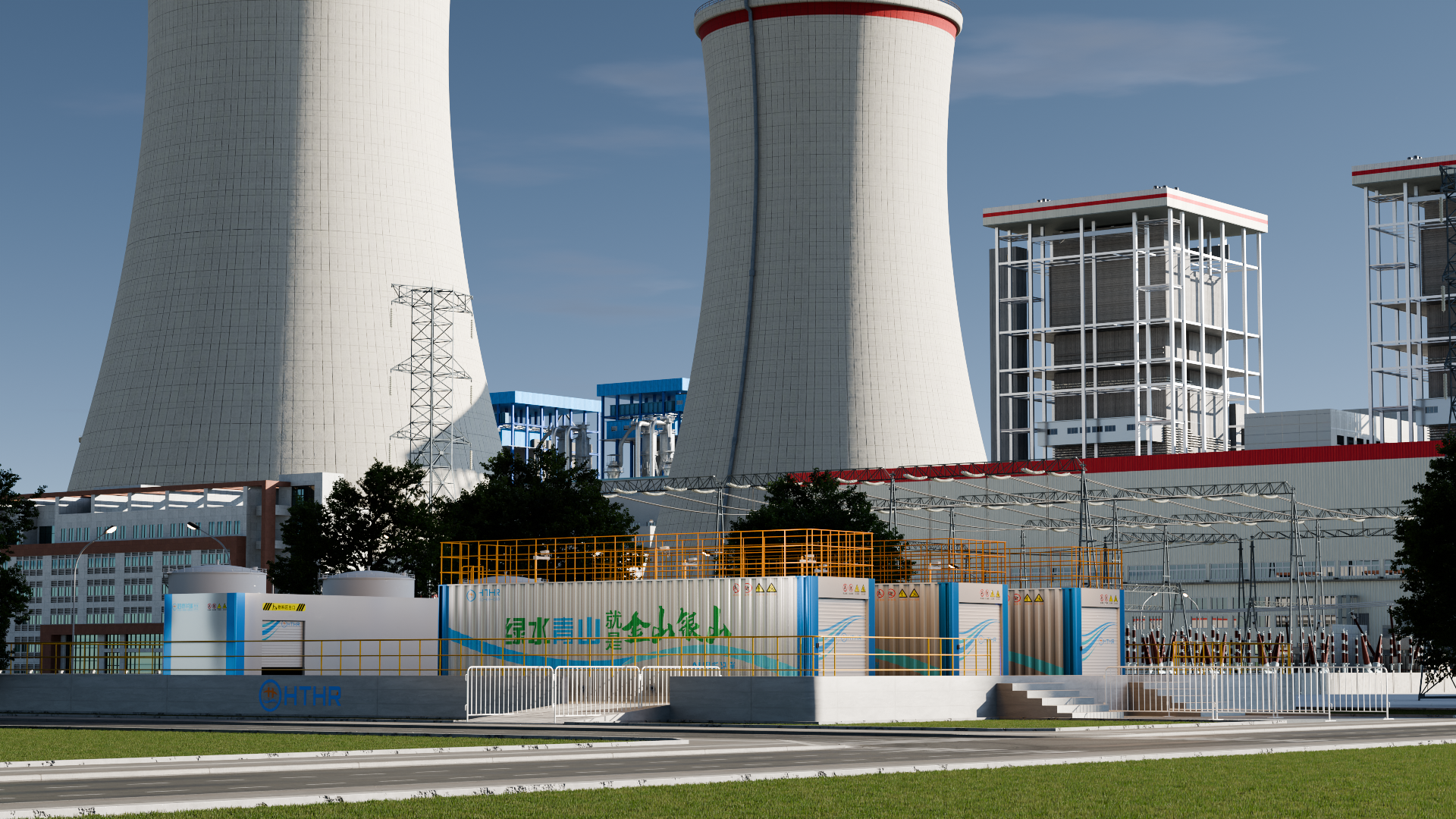
Electrocatalytic oxidation equipment is more suitable for handling high-concentration and toxic wastewater. Using three-dimensional electrodes or boron-doped diamond electrodes, this technology can "break apart" the molecular chains of persistent pollutants like benzene derivatives and azo dyes, achieving color and COD removal rates of over 95%. The equipment is designed with a modular, containerized system that saves 50% of the land area compared to traditional systems. It can process between 50 and 500 tons of wastewater per day, with an operating cost of 2-4 yuan per ton of water. For PVA paste wastewater, the removal rate can reach over 85%, ensuring stable effluent quality when used as a final treatment unit.
For efficient water reuse, membrane separation technology is key. By employing membranes with different pore sizes, it can effectively remove pollutants and salts, allowing treated water to be directly reused in production processes, significantly enhancing water resource utilization. A three-stage membrane system consisting of ultrafiltration (UF), nanofiltration (NF), and reverse osmosis (RO) can create a complete water reuse system. UF serves as a pre-treatment, removing suspended solids and large organic molecules, ensuring stable operation of downstream membrane systems. NF filters small molecular dyes and some salts, achieving over 90% color removal and 60%-80% COD removal. RO further removes salts, with treated water conductivity below 100 μS/cm, making it ideal for dyeing and rinsing operations. In a case involving Hydranautics membrane technology, a factory in Wu's achieved a 95% wastewater reuse rate, with treated water quality surpassing that of tap water, even suitable for fish farming. This saved significant costs on fresh water, with investment for a 1,000 tons/day system ranging from 3-5 million yuan, and reuse rates of 60%-80%, ideal for large enterprises with high water quality requirements.
For high-salinity dyeing wastewater recovery, salt recovery membrane systems have made great strides. Systems such as those from Zhejiang Jinmo use a combination of "anti-pollution curtain-style membranes + special rolled ultrafiltration + high-pressure reverse osmosis membranes." These systems can achieve water reuse rates of ≥80% and salt recovery rates of ≥75%, even for high-salinity wastewater with conductivity exceeding 30,000 μS/cm. The concentrated salt solution can be directly reused in the dyeing process, completing a closed-loop "wastewater-to-raw material" transformation. For example, after implementing this system in a 400 tons/day project in Xinjiang, the company reduced TDS emissions by 3,960 tons annually, saving tens of thousands of yuan in operational costs. This solution is particularly effective for synthetic fiber and cotton textile dyeing enterprises dealing with high-salinity wastewater.
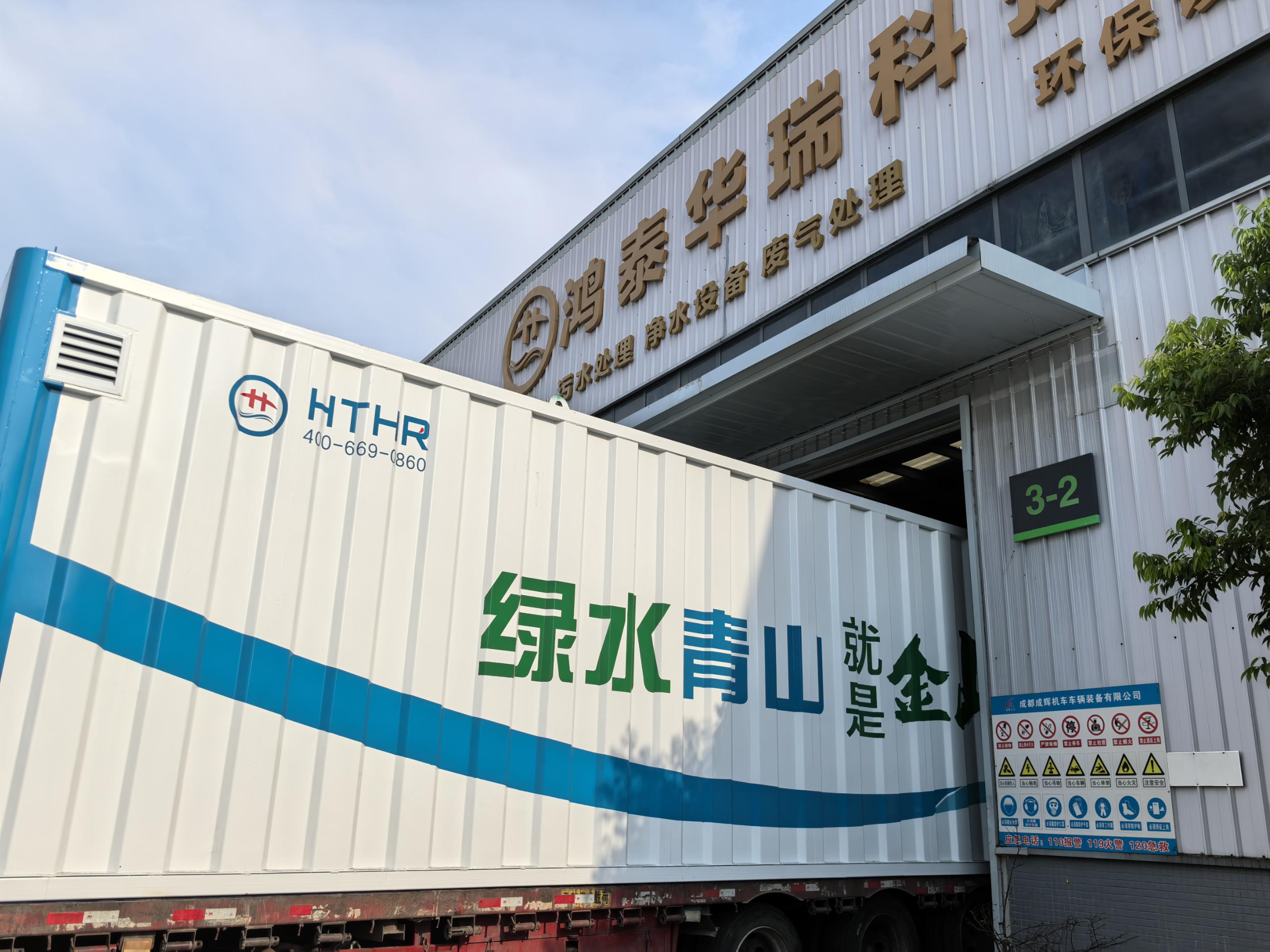
In practice, no single piece of equipment can handle the complexity and variability of textile wastewater. A combination of technologies, through integrated processes, is essential to achieving the multiple goals of "compliance + reuse + resource recovery." For small and medium-sized enterprises with limited budgets and maintenance capacity, a "salt-tolerant biological reactor + ozone oxidation + ultrafiltration" combination offers an affordable solution. The investment is manageable, and treated water can be reused for rinsing processes, achieving a reuse rate of 40%-60%. For instance, a small-scale dyeing factory with a capacity of 300 tons/day achieved effluent quality with COD <80 mg/L and color <30 times, saving over 200,000 yuan annually in water costs. Large dyeing parks or enterprises are better suited to more advanced integration systems, such as "MBR + NF + DTRO + multi-effect evaporation," achieving a 95% water reuse rate and 99.5% purity for recovered sodium carbonate, with a treatment cost per ton of water 11.2% lower than traditional methods, yielding both environmental and resource recovery benefits.
Ultimately, selecting the right equipment is not about choosing the most advanced technology, but about adhering to the principle of "water quality compatibility + goal orientation + economic feasibility." If wastewater is biologically treatable (BOD/COD >0.3), a biological treatment-focused approach, with advanced oxidation as a secondary method, should be prioritized. For high-salinity, high-color wastewater, a "salt-tolerant biological treatment + membrane separation" combination is ideal. For high water reuse rates, adding a multi-stage membrane system is key to maximizing resource recovery while ensuring environmental compliance.


 hthrjt2017@gmail.com