Trends in Treatment Technologies for Microplastics and Emerging Pollutants in Wastewater
- release date: 2026-01-28 15:00:42
- author: Hongtai Huairui
- Reading: 831
- key words: MPs、wastewater、sewage、EPs、 emerging contaminants、microplastics treatment technology、emerging pollutants treatment technology、Microplastics, Wastewater、microplastics、emerging pollutants、
In drinking water and daily exposure to wastewater, there are many "invisible threats" that are difficult to detect with the naked eye—microplastic particles less than 5mm in diameter, as well as emerging pollutants like antibiotics and endocrine disruptors, which are quietly eroding human health and the ecological environment. According to the Chemical Abstracts (CAS) database, over 290 million chemical substances have been registered globally, of which about 350,000 may enter the natural environment. However, current international conventions and standards regulate only 500-1,000 of these pollutants, less than 1% of the total—much like the unseen dangers beneath the iceberg. What is even more alarming is the astonishing scale of microplastic discharge from global wastewater. Even though wastewater treatment plants can intercept 85%-95% of microplastics, over 95% of untreated wastewater is still directly discharged. This silent pollution battle is now urgent.

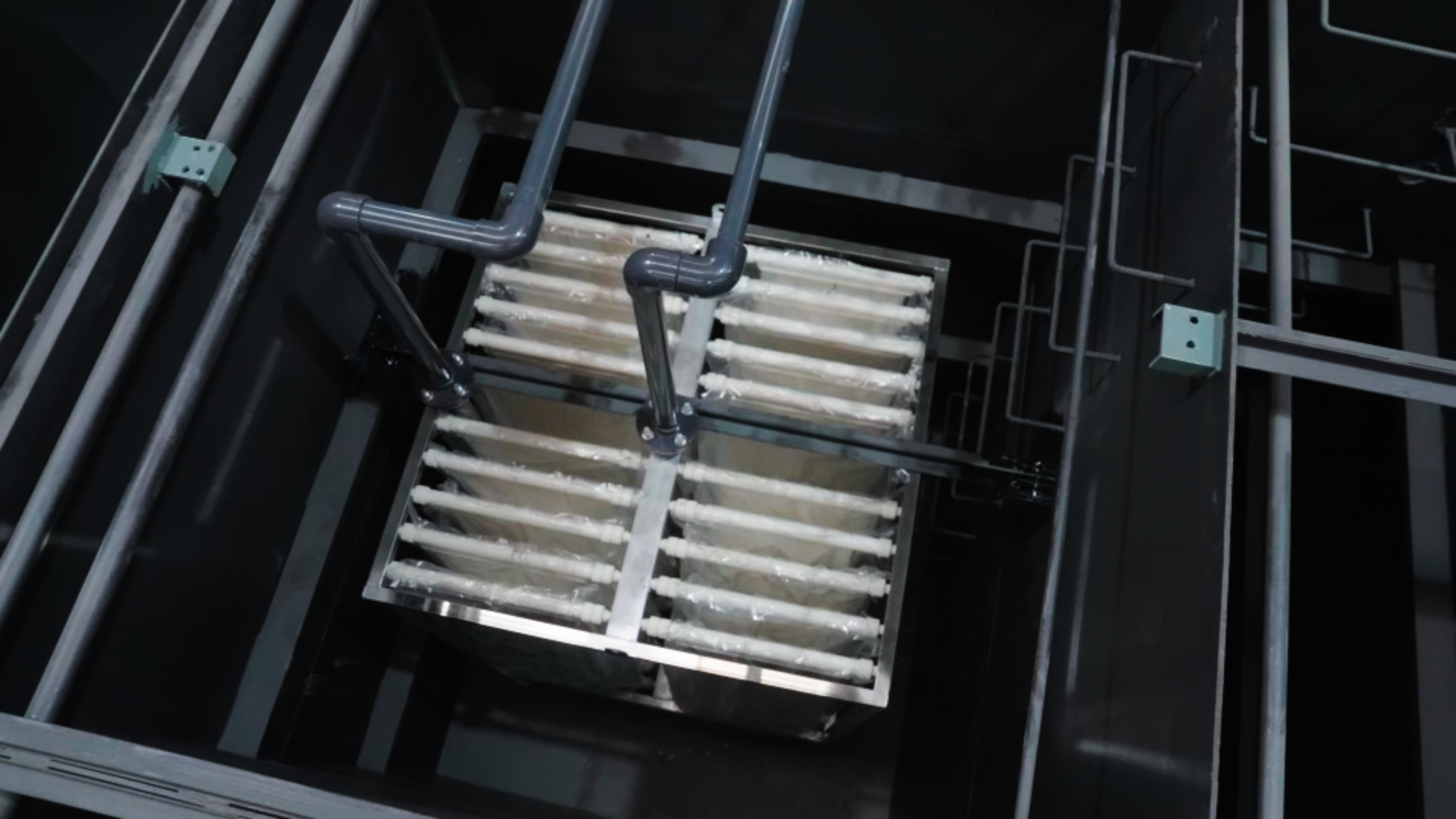
In the face of such challenges, global treatment technologies are accelerating iterations. Four core methods—membrane separation, advanced oxidation, biodegradation, and adsorption—are being optimized for efficiency and cost control in practice. There is no absolute superiority; the effectiveness depends on the suitability of the method to the specific scenario. Among these, membrane bioreactors (MBR) within membrane separation technology stand out, with the ability to remove over 99% of microplastics, making them more reliable than traditional activated sludge systems. The EU is at the forefront in this field, with Germany’s Wasser3.0PE-X® process being a representative example. Based on the concept of a circular economy, it achieves a 95% microplastic removal rate while the investment cost is 20% lower than traditional membrane filtration, and the operational cost is reduced by 75%. However, membrane technology faced barriers due to high costs, with operating costs once reaching up to $0.8/m³, until breakthroughs in China’s Suzhou by Yiqing Technology—developing UV advanced oxidation equipment—brought the price of imported devices from millions of dollars down to the low millions, cutting energy consumption by 30% and improving processing efficiency by 1.5 times that of similar international products. These innovations have now been exported to Southeast Asia, the Middle East, and other regions.
Besides membrane technology, advanced oxidation uses strong oxidizing agents to tackle hard-to-degrade pollutants. Reactive substances such as hydroxyl radicals and sulfate radicals can precisely break down persistent contaminants. For instance, ozone oxidation alone can remove up to 95% of quinolone antibiotics, and when used with hydrogen peroxide, removal rates for pesticides and pharmaceuticals can reach 97-100%. Because of this, this technological subfield has maintained an annual growth rate of over 12%, becoming a core choice for the deep treatment of industrial wastewater. Biodegradation technology, due to its environmentally friendly advantages, has rapidly emerged in low-cost treatment scenarios, requiring no complex equipment while still achieving effective remediation. From a market perspective, global biological treatment methods are growing quickly, with a projected compound annual growth rate of 14.0% between 2025-2033, making it the fastest-growing technological pathway.
Upgrades in adsorption technology rely on new materials. Carbon-based materials and metal-organic frameworks (MOFs) are current hotspots for research. Graphene oxide (GO) membranes can achieve microplastic removal success rates between 70%-99%, thanks to their unique layered structure and surface functional groups. Meanwhile, biochar materials, aligned with the concept of circular economy, can be prepared by pyrolyzing agricultural waste at only one-third the cost of traditional activated carbon, making them both environmentally friendly and economical, popular in small to medium-scale wastewater treatment scenarios.
Any large-scale application of technology requires policy guidance and support. Now, countries worldwide are accelerating the development of regulatory frameworks for microplastics and emerging pollutants, paving the way for technology implementation. The revised EU Urban Wastewater Treatment Directive will come into effect in 2025, mandating wastewater plants to monitor microplastics and imposing a "polluter pays" principle on industries such as cosmetics and pharmaceuticals to drive emission reductions at the source. California in the US has introduced a statewide microplastic strategy, focusing on controlling microplastic emissions from rainwater and wastewater, even banning the market entry of products intentionally adding microplastics. China has also already included microplastics in its "New Pollutant Governance Action Plan" priority control list, investing billions of yuan to promote relevant technological research and applications. The United Nations is also actively involved, proposing the establishment of an "International Expert Committee on Emerging Environmental Pollutants" to create a global data-sharing platform, primarily to assist low- and middle-income countries in improving governance capacity and promote the unification of global governance standards.
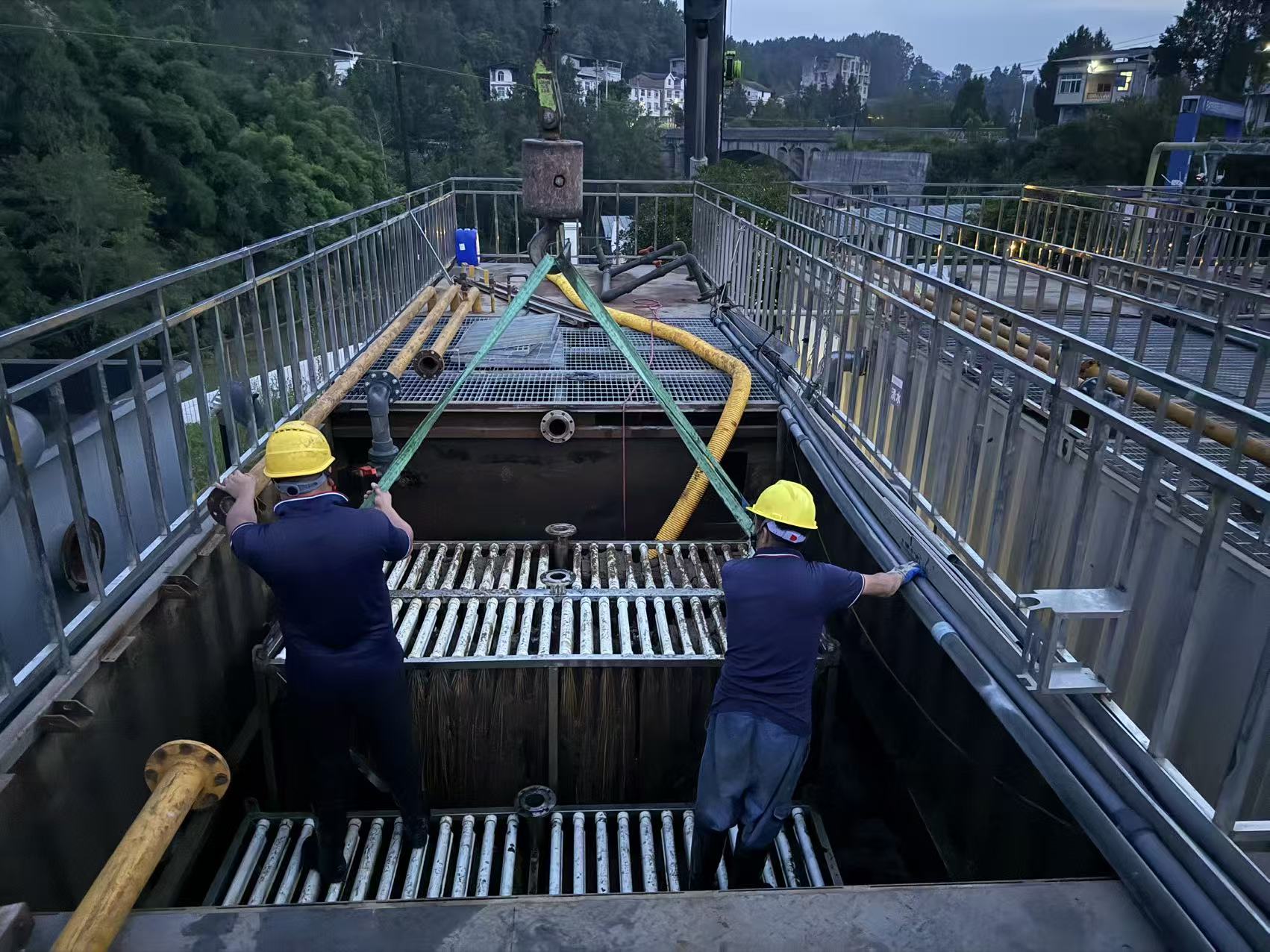
The continuous release of policy incentives naturally drives market expansion. The global market for microplastic removal technologies is steadily growing, with the Asia-Pacific region leading the world in demand for wastewater treatment due to accelerated industrialization. North America and Europe, on the other hand, dominate the high-end equipment field due to their technological innovation advantages. This market growth fundamentally stems from the urgency of pollution control—currently, 81.1% of global drinking water samples contain microplastics, and bottled water contains approximately 240,000 plastic micro-particles per liter. These figures highlight the pressing need for technological upgrades.
Looking ahead, the treatment of microplastics and emerging pollutants will no longer be limited to simple "removal" functions but will evolve toward intelligent, integrated, and circular solutions. Artificial intelligence and machine learning will be widely applied for process optimization, analyzing the nonlinear relationships between parameters such as current density, pH, and pollutant concentration to precisely enhance treatment efficiency. Digital twin and IoT technologies will enable remote monitoring and early warning of treatment facilities, reducing operation and maintenance costs, with projections indicating that 25%-30% of global public wastewater treatment plants will deploy AI systems by 2025. More importantly, the concept of a circular economy will be integrated into the entire innovation process. For instance, algae treatment technologies can capture microplastics while simultaneously absorbing nutrients from wastewater and later produce bio-plastic composites. Pyrolysis technology can eliminate microplastics, PFAS, and other pollutants from biological solids, and the resulting biochar can be used for soil improvement, truly achieving the dual goals of "plastic removal + resource utilization."

However, this battle against pollution is not without challenges. Globally, there are still many common issues: sampling and analysis methods for microplastics have not yet formed an internationally unified standard, limiting the comparability of global data; the governance capacity of low- and middle-income countries remains relatively weak, making the implementation of technology more difficult; and some advanced oxidation technologies may still produce toxic by-products, requiring continued process optimization. The fight against microplastics and emerging pollutants is a long-term war, directly linked to everyone’s drinking water safety and global ecological stability. From efficient interception by membrane technologies to green biodegradation, from tightening policy regulation to expanding market scale, the world is pushing for a transformation in wastewater treatment from "end-of-pipe treatment" to "source control + resource recycling" through technological innovation and collaborative cooperation. Only with breakthroughs in technology, policy support, and public participation in unison can we truly protect every drop of clean water and strengthen the ecological security barrier.


 hthrjt2017@gmail.com