In-depth analysis of Thailand's sewage treatment market: Demand gaps and smart solutions in Bangkok, Rayong and Chiang Mai
- release date: 2026-03-10 16:49:33
- author: Hongtai Huairui
- Reading: 386
- key words: Thailand Wastewater Treatment / Integrated Wastewater Treatment Equipment / AI Intelligent Wastewater Treatment / MBR Membrane Bioreactor / Eastern Economic Corridor Wastewater Treatment / Bangkok Environmental Protection Equipment / Chiang Mai Hotel Wastewater Treatment / Industrial Wastewater Treatment / ESG Compliance / Hongtai Huarui
Thailand generates about 4 million cubic meters of wastewater daily, with the actual treatment rate falling below 25%. Against the backdrop of stricter policies, industrial expansion, and rising ESG pressures in tourism, the wastewater management demand in the three core cities of Bangkok, Rayong, and Chiang Mai is being released at an unprecedented pace—while traditional centralized infrastructure can no longer handle this pressure alone.
- Bangkok: Window for Upgrading Existing Facilities
The Chao Phraya River basin has long been polluted by urban canals, with water quality indicators consistently below the national standards set by the Pollution Control Department (PCD). The Bangkok Metropolitan Administration’s 2025–2030 Drainage Action Plan has launched major facility expansions, and new mandatory pollution discharge fees will officially apply to hotels and factories starting in 2025.
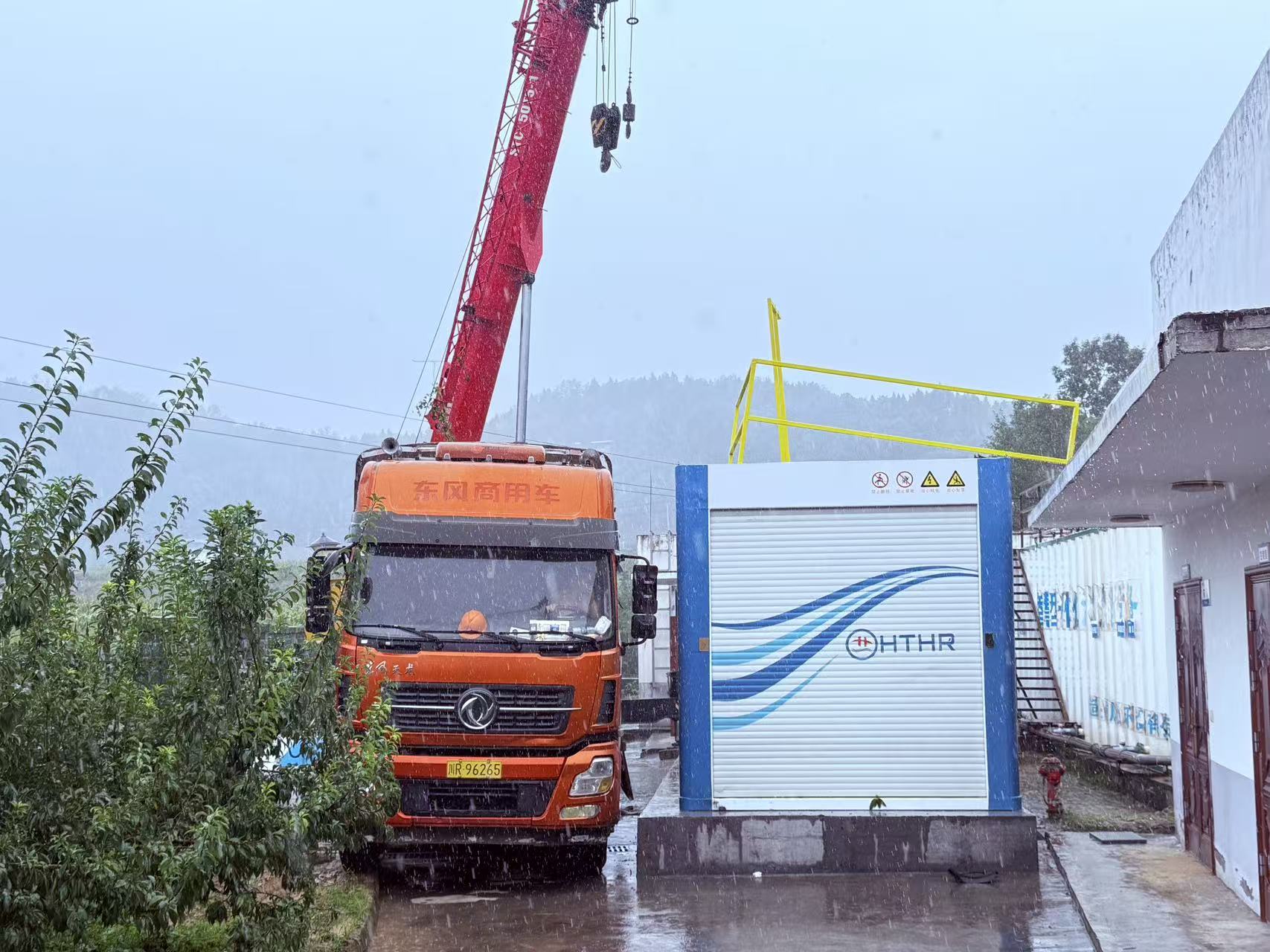
The issue lies in timing. Centralized projects take years from planning to completion, while the compliance window has already opened. Market data indicates that Bangkok’s water treatment market will grow at an average annual rate of 7.1% from 2025 to 2031, precisely because construction speed cannot keep up with demand. For companies facing imminent compliance pressure, rapidly deployable modular equipment is the only option to fill the gap before centralized networks are extended.
- Rayong / Eastern Economic Corridor: Rigid Industrial Compliance Thresholds
The Eastern Economic Corridor (EEC), spanning provinces such as Chonburi and Rayong, houses over 40 industrial parks and serves as Thailand’s core hub for automotive and electronics industries. Projections show that water demand in the EEC will increase by 5.7 billion cubic meters by 2037, with the supply-demand gap continuing to widen.
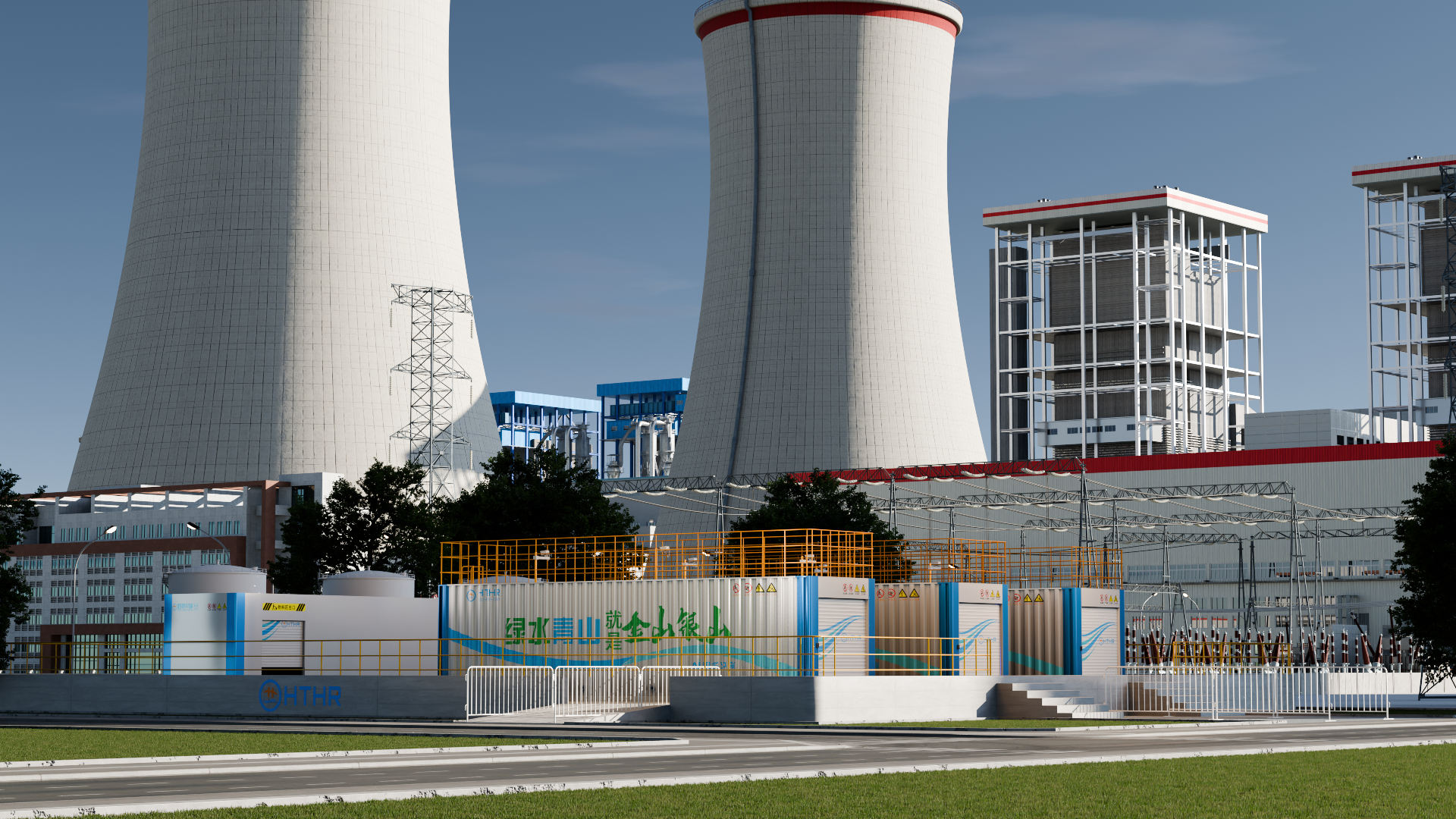
Industry benchmarks have already been established: Amata City Rayong achieves 100% internal recycling of park wastewater, reducing reliance on natural water sources by 50%. The Department of Industrial Works (DIW) continues to tighten emission standards for factories on the eastern coast, and the EEC’s "Smart Environment" framework incorporates ESG compliance into investment incentives. For automotive and electronics manufacturers operating in the EEC, on-site treatment systems capable of handling heavy metals, solvents, and chemical residues have shifted from being an operational cost to a compliance threshold.
- Chiang Mai: Hidden Environmental Costs Behind Tourism Growth
Chiang Mai is expected to host over 13 million domestic and international tourists in 2025, with tourism revenue targeted at 132 billion baht. However, the Ping River faces continuous pollution pressure from hotels, restaurants, and residential areas, far exceeding the capacity of the city’s centralized treatment facilities.
Pressure comes from two sides. On one side is the PCD’s tightening enforcement of commercial wastewater discharge; on the other, international hotel brands require on-site compliance documentation as part of franchise and procurement standards. A 2025 survey by the Thailand Tourism Forum shows that 65% of Thai tourists are willing to pay extra to support environmentally friendly accommodations. Chiang Mai’s hotel and resort operators need compact, low-noise, decentralized smart treatment units that can automatically generate compliance records.
- AI Control: Beyond the "Smart" Label
Integrated wastewater treatment equipment is not new, but AI-controlled equipment is fundamentally different in three ways:
- Real-time self-optimization: Influent water quality fluctuates with seasons, time of day, and upstream activities. The AI control core dynamically adjusts aeration, chemical dosing, and biochemical treatment parameters based on real-time sensor data, ensuring stable discharge standards while being more energy-efficient than fixed-program systems.
- Predictive maintenance: Equipment downtime represents a compliance risk rather than just operational loss. Continuous monitoring of pump performance, membrane status, and flow data allows AI to issue warnings before anomalies become failures, turning emergency repairs into planned maintenance.
- Automated compliance reporting: The system continuously generates timestamped operational logs, eliminating the need for manual recording and compilation.

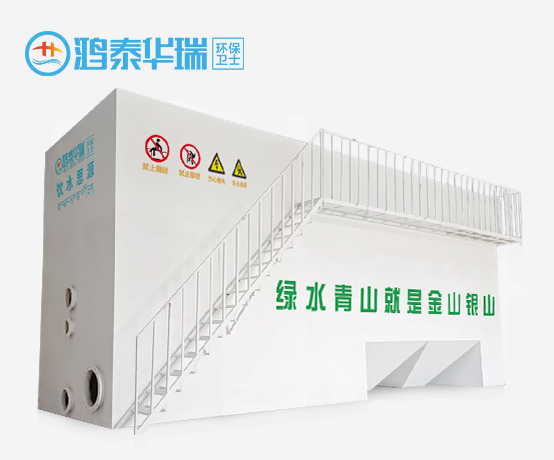
- Hongtai Huarui Intelligent Integrated Wastewater Treatment Equipment
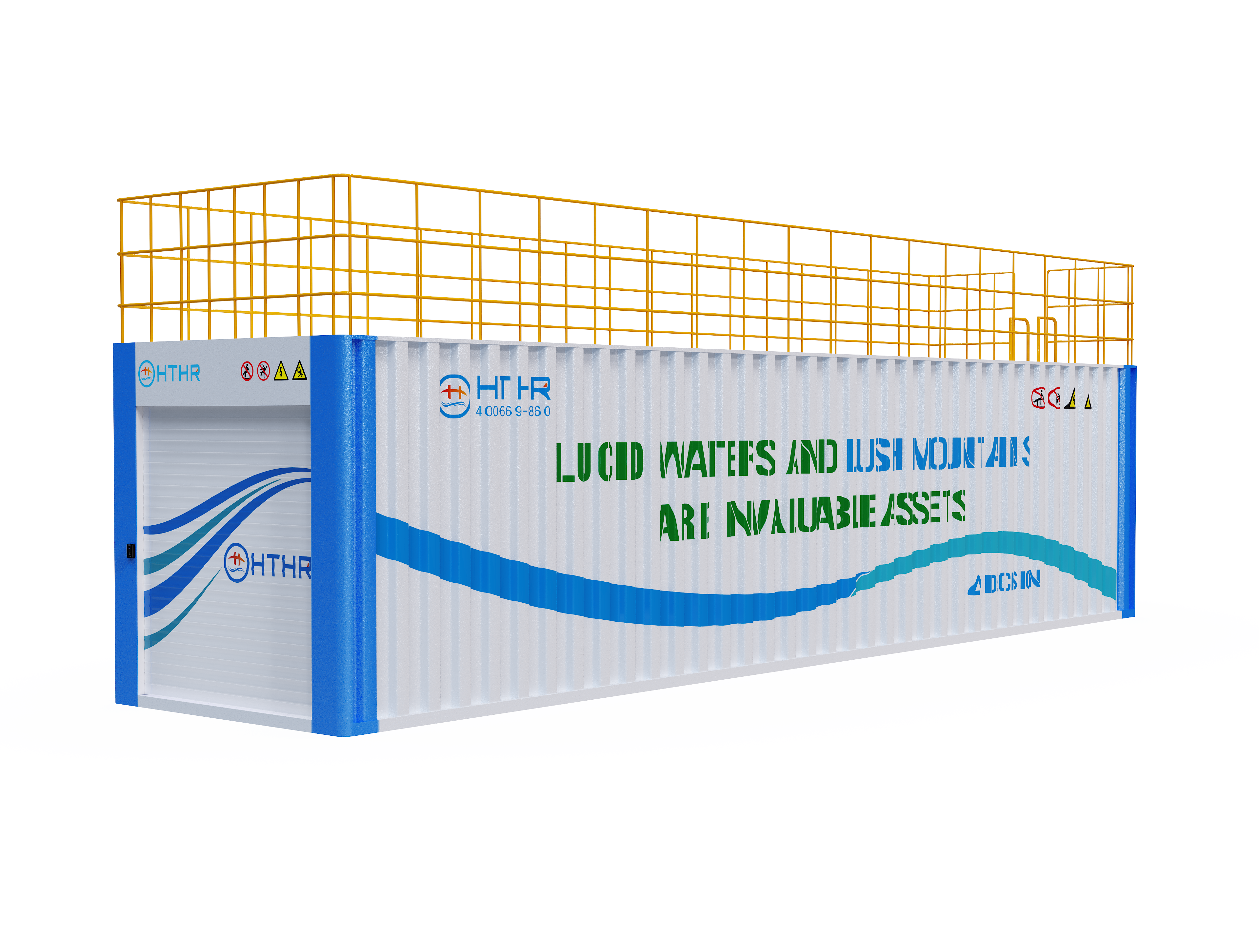
The equipment is prefabricated in the factory, requiring no large-scale on-site construction, with deployment measured in weeks rather than years. MBR membrane bioreactors combined with multi-stage biochemical treatment achieve Thai discharge standards. The modular architecture supports units for boutique resorts handling 10 cubic meters per day up to industrial park clusters handling over 1,500 cubic meters per day. Buried and semi-buried installation options meet strict space requirements for urban and hotel sites. Feihong AI provides 24-hour real-time data, automatic alerts, and compliance reporting, with remote operation supported via an app.
The growth of Thailand’s wastewater treatment market stems from a structural gap—a gap that centralized infrastructure alone cannot fill. Compliance upgrades in Bangkok, industrial emission control in Rayong, and hotel ESG compliance in Chiang Mai all see their demand curves rising simultaneously in 2025, narrowing the window of time for enterprises to complete deployment.
For detailed technical solutions or project collaboration discussions, please contact us.


 hthrjt2017@gmail.com