FyhoneOS intelligent wastewater treatment solution for Rayong Industrial Zone
- release date: 2026-03-31 17:18:17
- author: Hongtai Huairui
- Reading: 788
- key words: Rayong Province / EEC Eastern Economic Corridor / Industrial Park / Water Resource Shortage / Reclaimed Water Reuse / Smart Water Management / Intelligent Integrated Wastewater Treatment Equipment / FyhoneOS/ / Intelligent Dosing Equipment / Unmanned Chemical Delivery Vehicle / Real-time Monitoring / Cloud Management / Modular Deployment / Unattended Operation / End-to-End Data Integration / Sustainable Operations
Rayong Province has three major reservoirs, with a total storage capacity of only 320 million cubic meters. Each year, it still needs to import 70 million cubic meters of water from other provinces to maintain the normal operation of its industrial zones.
As the Eastern Economic Corridor (EEC) continues to expand, more automotive, electronics, and petrochemical companies are being established, causing water demand to grow day by day—while water sources remain unchanged. In this context, wastewater treatment has gone beyond mere compliance and has become the core lifeline for industrial parks to improve water utilization efficiency and ensure sustainable operations.
Rayong Province’s three main reservoirs have a total capacity of only 320 million cubic meters. Every year, an additional 70 million cubic meters of water must be transferred from other provinces to keep industrial zones running normally.
With the ongoing expansion of the EEC, more automotive, electronics, and petrochemical enterprises are being brought into the region. Water demand is increasing, but water sources remain the same.
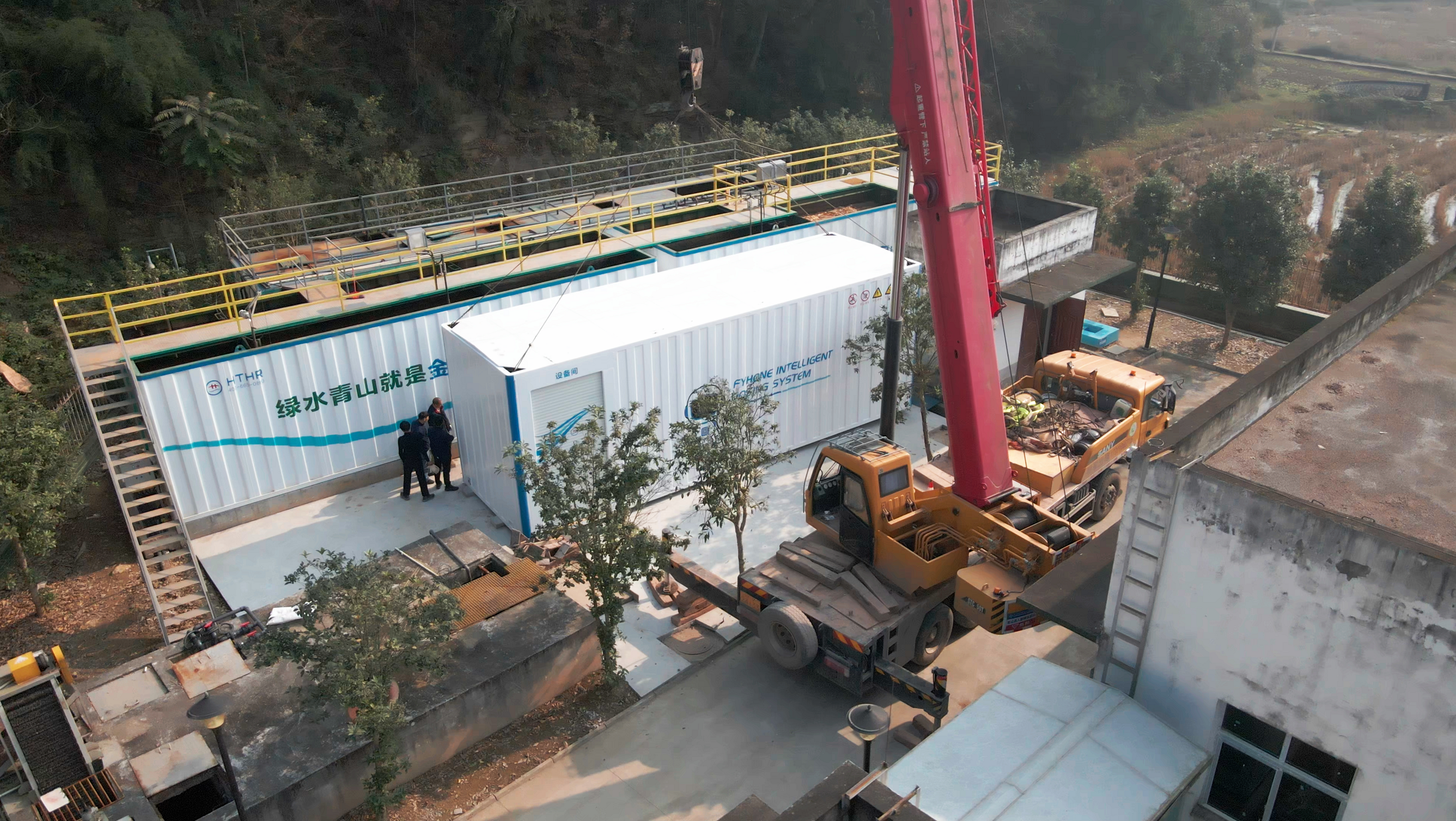
Against this backdrop, wastewater treatment is no longer just a compliance requirement—it directly determines whether an industrial park can maximize the use of every drop of incoming water and ensure no hidden risks at the discharge end.
The equipment works on its own
Integrated intelligent wastewater treatment equipment is equipped with real-time water quality monitoring modules that continuously collect influent data and automatically adjust aeration intensity, reflux ratio, and sludge discharge cycles.
The reality in Thailand’s eastern industrial zones is a shortage of technical personnel, with gaps in nighttime operations under shift systems—yet effluent quality requirements have never been lowered. The Industrial Estate Authority of Thailand (IEAT) has clear pretreatment standards for factories connected to centralized treatment systems, and exceeding limits leads to penalties.
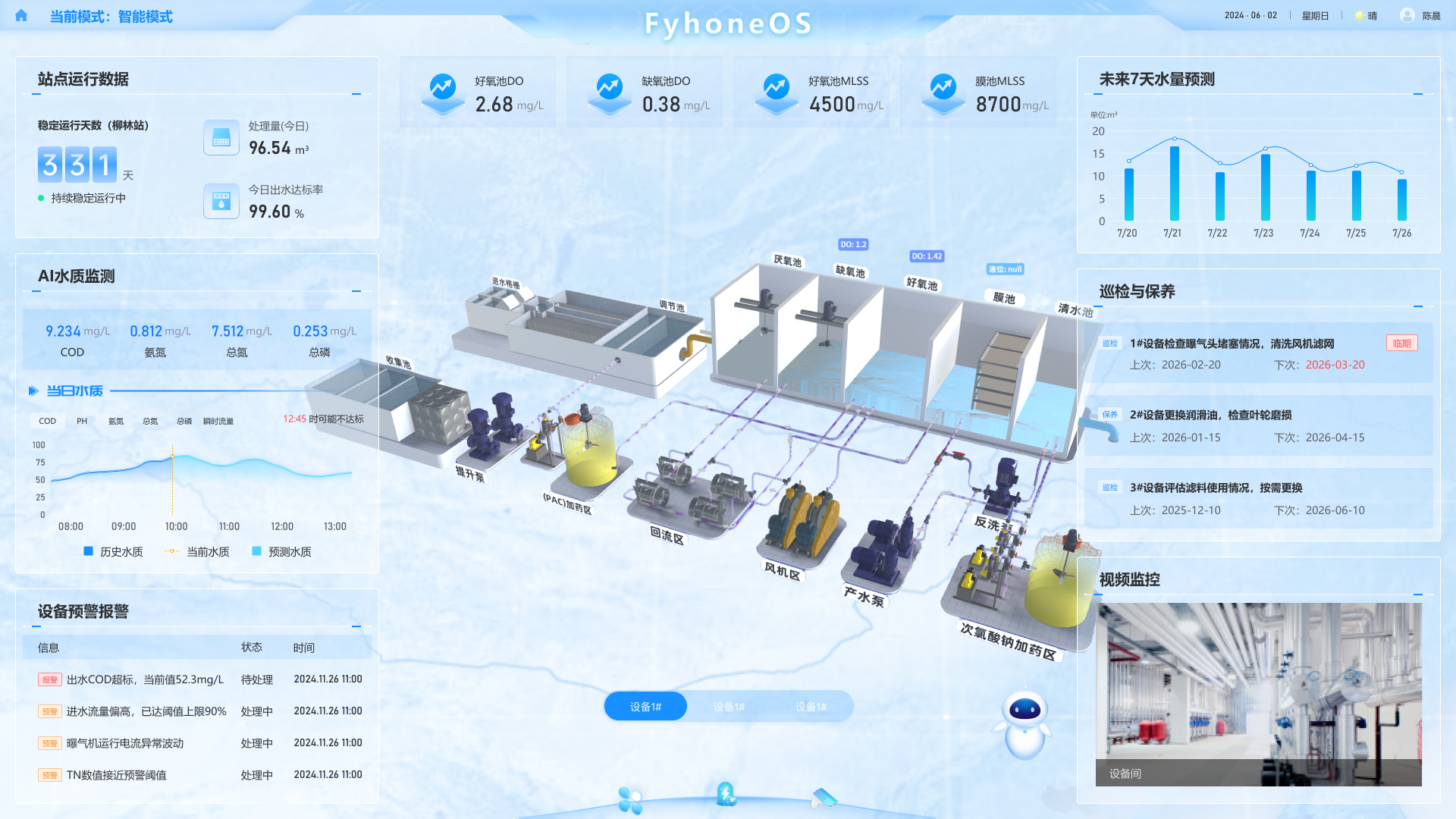
Equipment operation data is synchronized to a cloud management platform, where anomalies trigger instant alerts. The operations team gains an overview of the entire system rather than passively responding to failures.
From a single point to the entire industrial park
The land-use structure of Rayong’s industrial zones results in decentralized wastewater treatment points. While core areas are covered by IEAT’s centralized systems, surrounding facilities, expansion zones, and new projects often require independent treatment units.
Fyhone’s integrated equipment adopts a standardized modular design, allowing for rapid on-site installation and commissioning without reliance on large-scale civil construction. When new production lines are added or capacity expands, additional treatment units can be deployed without starting from scratch—the same logic can be replicated and scaled.
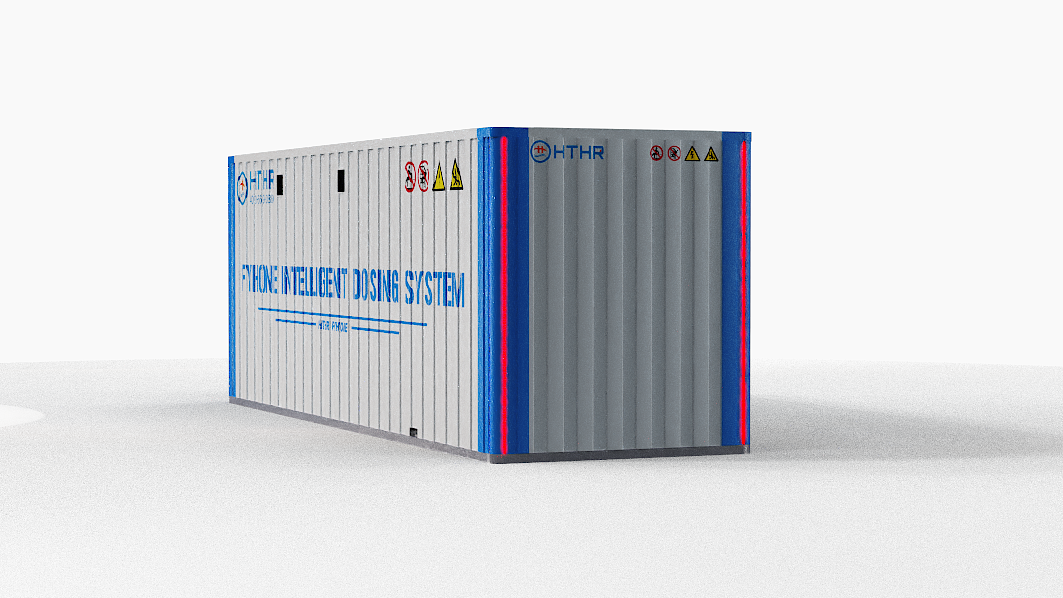
This is particularly practical for EEC industrial parks in continuous expansion: infrastructure must keep pace with industrial development rather than wait for long construction cycles.
One mistake in dosing is more than just a cost issue
Wastewater in Rayong’s industrial zones is complex, including petrochemical effluent, automotive cutting fluids, and electronic production lines containing heavy metals, each requiring different chemical types and dosing amounts.
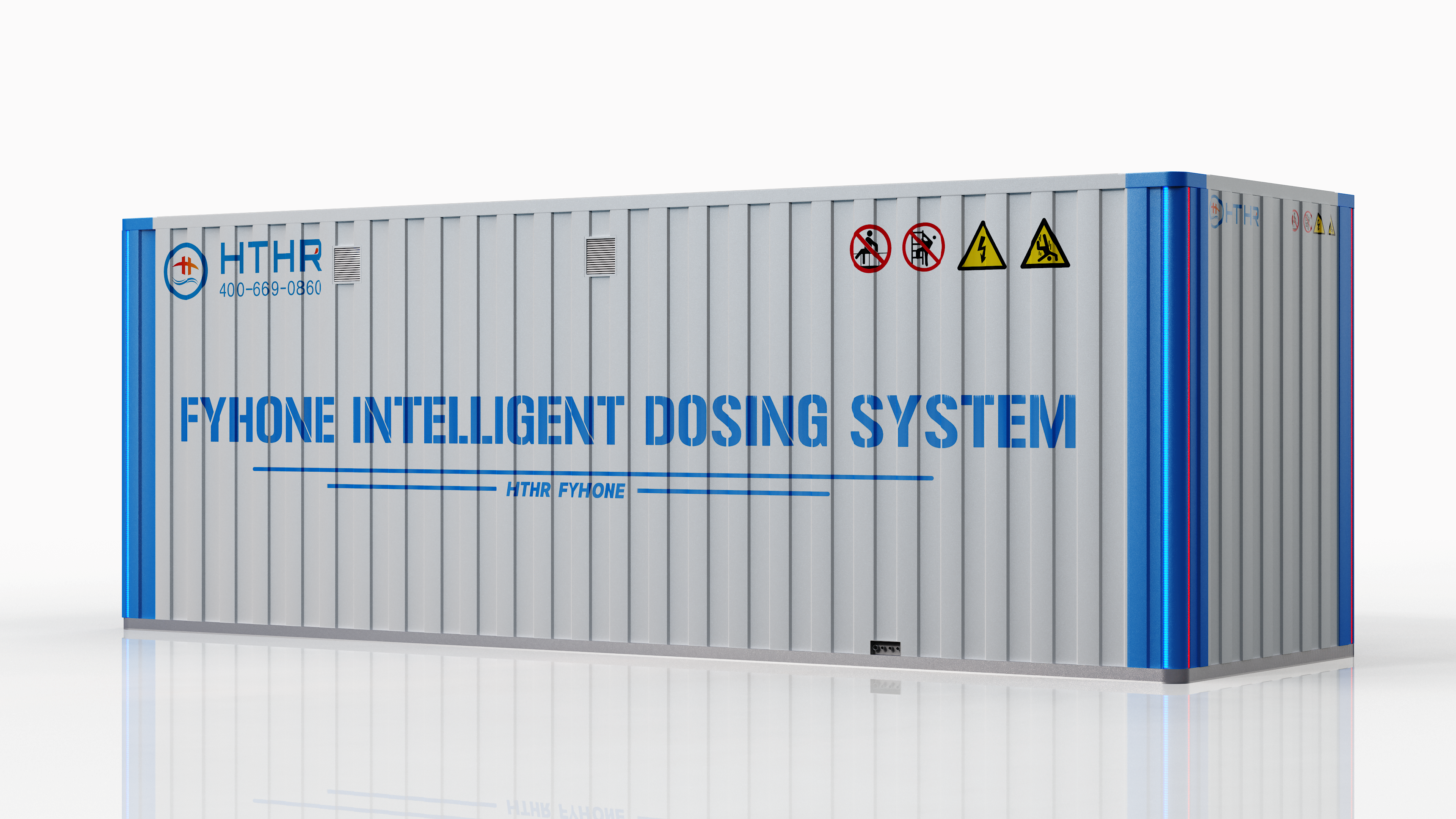
Intelligent dosing equipment uses sensors to detect real-time water quality changes, automatically calculating and applying the correct dosage, eliminating estimation errors from manual operation. Overdosing increases costs and may cause secondary pollution; underdosing leads to substandard treatment and regulatory penalties—both are risks.
Dosing parameters can be dynamically adjusted based on influent quality, allowing different factory wastewater characteristics to be configured independently. From trial operation to stable performance, accumulated data continuously optimizes dosing strategies.
Chemical delivery no longer depends on human memory
Industrial zones are spread out, and distances between treatment points can be significant. Transporting chemicals involves safety risks, requiring coordination and measurement records for each delivery—any oversight can disrupt treatment.
Autonomous chemical delivery vehicles operate on preset routes, automatically responding to replenishment requests from treatment points, delivering supplies on schedule or on demand. Chemical management shifts from reliance on human initiative to automated system scheduling.
During peak drought periods—when wastewater treatment pressure is highest and manpower is most limited—the stability of this link determines whether the entire treatment chain can operate continuously.
Three systems connected by one data line
Treatment equipment detects dosing needs, dosing systems trigger replenishment requests, and autonomous vehicles respond with delivery. This chain remains uninterrupted regardless of shift changes or personnel turnover.
For operators managing multiple treatment points, the overall system status is displayed on a single screen—not as fragmented data from individual systems, but as a unified, monitorable, and traceable operational record. The same deployment logic can be replicated directly in new industrial parks without starting from scratch.
The expansion of the EEC is still ongoing, and Thailand’s 20-year water resource plan has already designated reclaimed water reuse as a strategic direction. Water resource pressure in Rayong will not be alleviated by a single rainy season.
Wastewater treatment is increasingly becoming a business that requires precise calculation—every liter of water treated, every dosing accuracy, and every timely delivery affects compliance costs and operational margins.
Through full-chain data integration, Fyhone connects treatment, dosing, and delivery into a unified system, creating an unattended, fully controllable smart water management loop. This not only addresses the current water resource crisis but also serves as a core engine supporting the EEC’s transition toward reclaimed water reuse and achieving long-term green and sustainable operations.


 hthrjt2017@gmail.com