1. Industry Background and Treatment Challenges
The paper industry is a key basic raw material sector in China and also a major focus area for industrial wastewater pollution control. Paper mill wastewater (Black Liquor & White Water) covers the entire process of pulping, bleaching, and papermaking, featuring large volumes, high color, high suspended solids, complex organic composition, and poor biodegradability. It is recognized as one of the most challenging industrial wastewater types to treat.
With the continued enforcement of the "Discharge Standard of Water Pollutants for the Pulp and Paper Industry" (GB 3544—2008) and the further tightening of local discharge standards in some regions, paper mills have raised higher expectations for wastewater treatment system technology and engineering reliability. Hongtai Huarui has been deeply involved in industrial wastewater treatment for many years. For the mainstream treatment scale of 1,000–5,000 m³/d in the paper industry, we have developed a systematic technical solution that balances compliance, resource recovery, and economic operation.
2. Wastewater Sources and Characteristics
Understanding wastewater sources and characteristics is a fundamental prerequisite for designing a reasonable process solution. Paper mill wastewater typically comprises the following three categories:
- Black Liquor (Pulping Wastewater): This is the heaviest pollutant load component in the wastewater system. COD can reach tens of thousands to hundreds of thousands mg/L, containing high concentrations of lignin, hemicellulose, and residual cooking chemicals. It is strongly alkaline, deeply colored, and direct entry into biological treatment units will severely inhibit microbial activity. It must be pretreated separately or treated via an alkali recovery system before joining the integrated wastewater system.
- Middle-Stage Water (Bleaching and Washing Wastewater): COD usually ranges from 1,000–5,000 mg/L, containing chlorinated organic compounds (AOX) and lignin degradation products. The BOD₅/COD ratio is low, and biodegradability is poor, requiring physical-chemical pretreatment or advanced oxidation for collaborative treatment.
- White Water (Papermaking Wastewater): Accounting for 60%–70% of total wastewater volume, the main pollutants are fine fibers and inorganic fillers. Organic matter concentration is relatively low, and physical purification can achieve a high proportion of reuse, making it the wastewater component with the greatest resource utilization potential.
Typical influent water quality for integrated wastewater: COD 2,000–8,000 mg/L, BOD₅ 600–2,500 mg/L, SS 500–2,000 mg/L, color 500–2,000 times, pH 6–10. Engineering design should be based on measured water quality; the above data are for reference only.
3. Overall process route
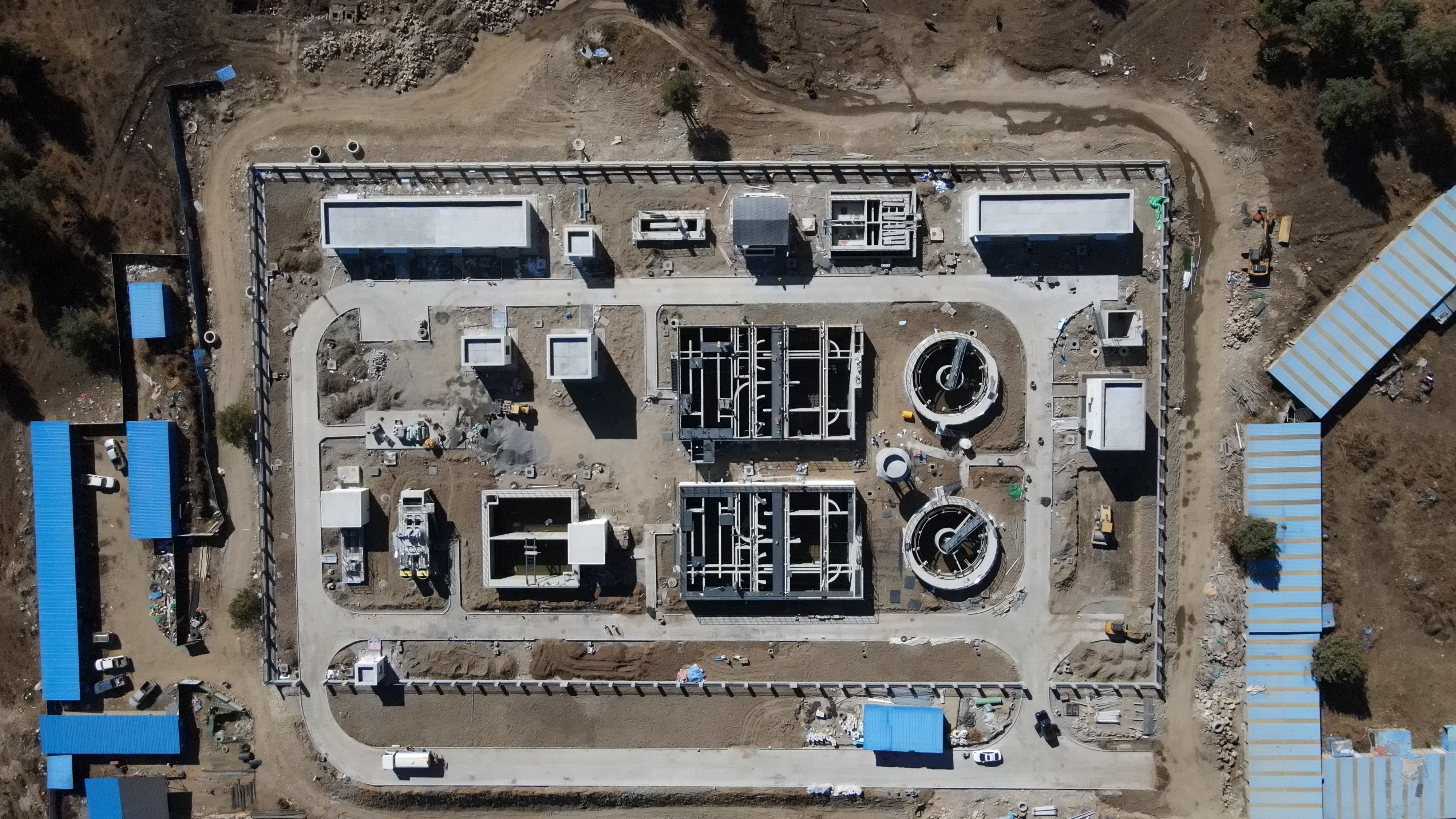
Considering the above water quality characteristics and the practical needs of this scale of project, the proposed solution adopts a four-stage combination process: "Pretreatment—Anaerobic Biological—Aerobic Biological—Advanced Treatment." The overall process is as follows:
Raw water collection and homogenization → Screening → Fiber recovery → Dissolved Air Flotation (DAF) → Equalization tank → Anaerobic treatment (IC/UASB) → Aerobic treatment (Activated Sludge/Oxidation Ditch) → Secondary sedimentation → Advanced oxidation (Fenton/Ozone) → Filtration/Membrane treatment → Discharge or reclaimed water reuse.
Sludge generated at various points is collected into the sludge treatment system for concentration, mechanical dewatering, and resource recovery.
This process strikes a balance between technical maturity, treatment performance, and investment, suitable for paper mills that need to simultaneously meet discharge standards and internal water reuse goals.
4. Technical Description of Each Treatment Unit
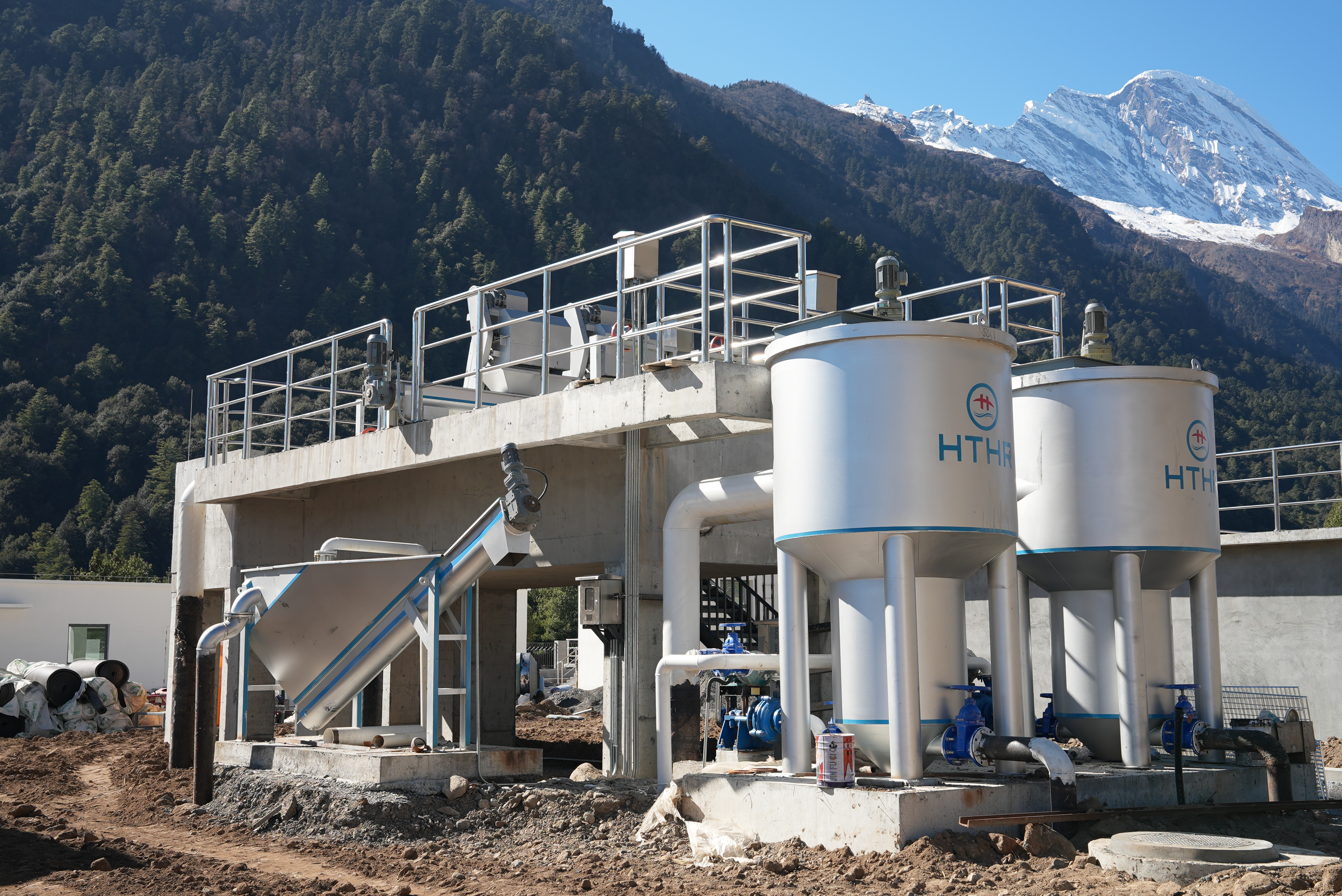
4.1 Pretreatment Stage: Fiber Recovery and Physicochemical Purification
The core objective of the pretreatment stage is to recover reusable raw material components and significantly reduce suspended solids and organic load entering the biological system, providing a stable foundation for subsequent biological treatment.
The fiber recovery unit uses inclined screens or multi-disk fiber recovery machines to intercept and concentrate fine fibers from white water. Recovered fibers can be returned to the papermaking process, achieving over 85% fiber recovery, reducing raw material loss and alleviating downstream treatment load.
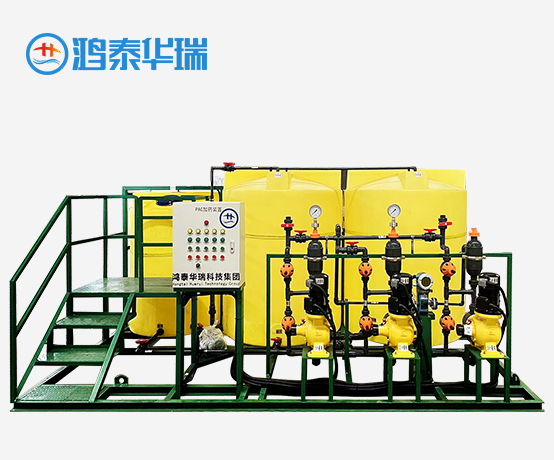
The DAF unit is the core physicochemical treatment method. Paper mill wastewater contains a large number of colloidal and fine suspended particles, which are difficult to remove by gravity settling. Dissolved air flotation releases microbubbles (20–100 μm) that lift particles to the surface, where they are removed by skimming. Combined with coagulants such as polyaluminum chloride (PAC) or ferric polyaluminum sulfate (PFS) and flocculant (PAM), SS removal rates can reach 90% or higher, with synergistic removal of COD and color.
Equalization tanks are designed with a hydraulic retention time of no less than 8 hours, providing homogenization, flow equalization, and pH adjustment. Pre-aeration may be applied if necessary to prevent anaerobic odor, ensuring stable influent quality for downstream biological treatment.
4.2 Anaerobic Biological Stage: High-Load Organic Degradation
For influent COD above 3,000 mg/L, the anaerobic unit is the most energy-efficient and high-organic-reduction core section of the system.
The IC (Internal Circulation) anaerobic reactor is recommended as the main anaerobic equipment. It uses a two-stage three-phase separator and internal circulation driven by biogas lift, achieving a volumetric load of 15–25 kg COD/m³·d and strong shock load resistance. Compared to traditional UASB reactors, IC reactors can save approximately 30% of construction volume at the same treatment scale. For smaller scales (1,000–2,000 m³/d) or highly variable influent, UASB reactors may be used as alternatives, offering simpler operation and lower cost.
Anaerobic treatment typically removes 70%–85% of COD and produces methane-rich biogas. For a 5,000 m³/d system with 6,000 mg/L influent COD, daily biogas production is approximately 8,000–12,000 m³, which can be used for boilers or power generation on-site, providing energy compensation. The anaerobic system must maintain 35±2°C, with heating and alkalinity supplementation as needed to ensure stable operation.
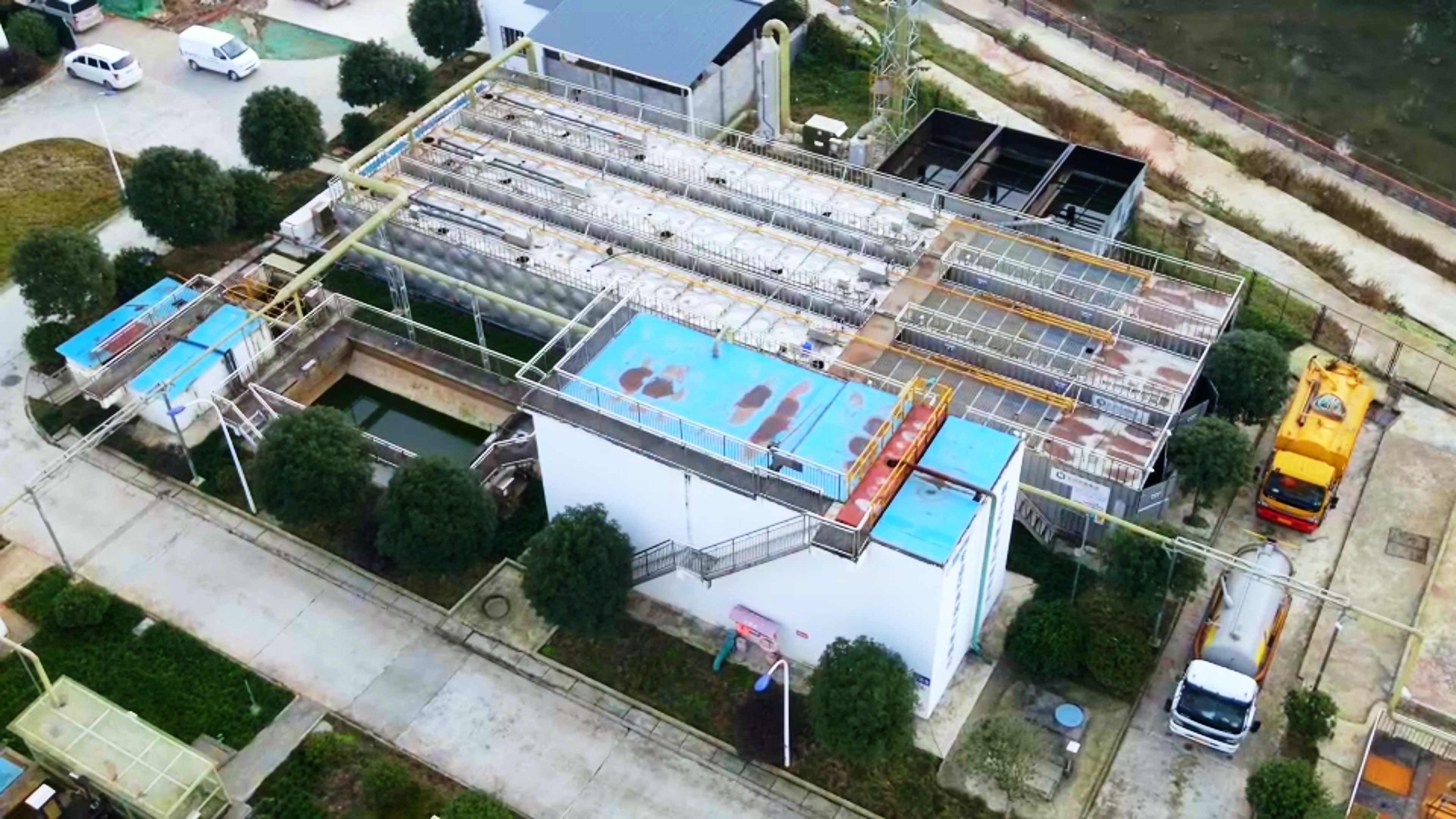
4.3 Aerobic Biological Stage: Fine Degradation of Residual Organics
After anaerobic treatment, the wastewater COD is significantly reduced. The aerobic stage further degrades residual soluble organics to meet discharge or advanced treatment requirements.
The main aerobic processes recommended are plug-flow activated sludge or oxidation ditch. Plug-flow activated sludge is mature and stable; oxidation ditches provide high shock load resistance and lower excess sludge, suitable for variable influent. HRT is designed at 8–16 hours, MLSS at 3,000–5,000 mg/L, and SRT at 15–25 days to ensure complete organic degradation.
Aeration uses fine-bubble diffusers or aeration pipes with oxygen utilization of 25%–35%, combined with variable-frequency blowers controlling dissolved oxygen at 2–4 mg/L, saving about 30% energy compared to surface aeration.
Secondary sedimentation tanks are radial flow type, with a surface load ≤1.0 m³/m²·h, and sludge recirculation of 50%–100%. Effluent COD generally reaches 200–500 mg/L, BOD₅ 30–100 mg/L.
4.4 Advanced Treatment Stage: Decolorization and Reuse Purification
Even after full biological treatment, wastewater often remains visibly brown due to residual lignin and derivatives, posing a challenge for discharge and reuse.
Fenton advanced oxidation uses Fe²⁺ catalyzing H₂O₂ to generate hydroxyl radicals (OH) with redox potential up to 2.80 V, effectively breaking lignin aromatic structures and chromophore groups. Optimal conditions are pH 3–4, with 30–60 minutes reaction time. Color removal reaches 80%–95%, COD removal 40%–60%. Precise pH control and post-reaction neutralization are required, with Fenton sludge collected into the sludge system. For stricter discharge standards, ozone oxidation or ozone/activated carbon combination may be applied.
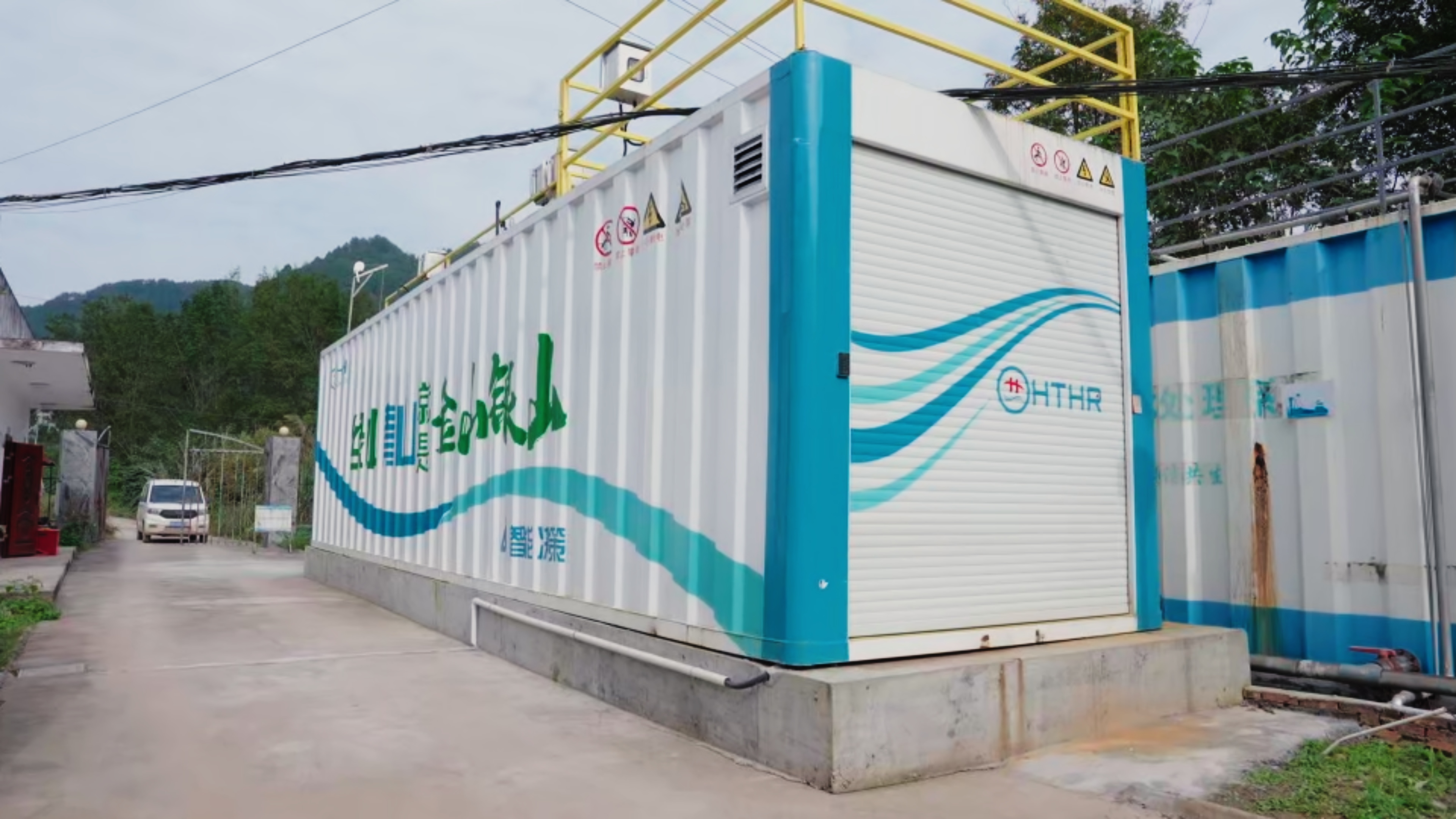
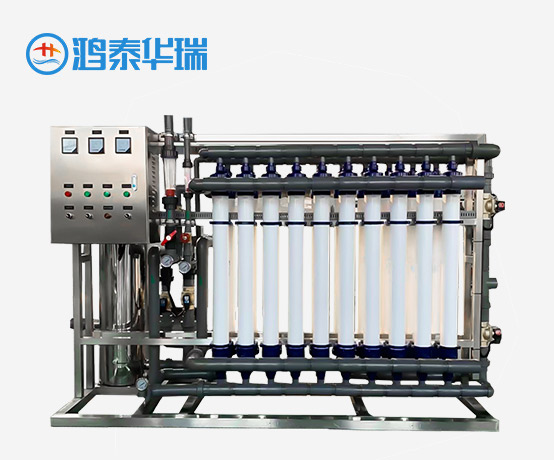
End filtration and membrane treatment are configured based on effluent purpose: for discharge, sand or multimedia filtration may suffice; for internal reuse, ultrafiltration (UF) removes residual colloids and macromolecules, and reverse osmosis (RO) can produce water near process quality, significantly reducing water intake costs.
5. Sludge Treatment and Resource Utilization
Sludge mainly comes from DAF scum, secondary sludge, and Fenton sludge. After gravity thickening (3%–5% solids), mechanical dewatering is performed using belt or plate-and-frame presses, yielding cakes with 25%–40% solids.
Paper sludge contains high cellulose and inorganic fillers, offering good dewatering performance and resource utilization potential. Disposal methods include: mixing DAF scum and biological sludge for low-grade cardboard or construction material; co-firing with coal in fluidized bed boilers for energy recovery. For mills with pulping processes, black liquor can undergo evaporation—combustion—causticization to recover alkali, sodium salts, and heat, a standard cost-reduction process in large pulp mills.
6. Main Design Parameters Reference
For a daily treatment scale of 5,000 m³/d, main design parameters of each core treatment:
|
processing unit
|
key parameters
|
typical indexes
|
|
fiber recovery
|
Fiber recovery
|
≥85%
|
|
Coagulation and Air Flotation (DAF)
|
HRT / SS removal rate
|
15–20 min / ≥90%
|
|
regulating tank
|
hydraulic retention time
|
≥8 h
|
|
IC anaerobic reactor
|
Volume loading/ COD removal rate
|
15–25 kgCOD/m³·d / ≥75%
|
|
aerobic aeration tank
|
HRT / MLSS
|
10–14 h / 3,500–5,000 mg/L
|
|
secondary sedimentation tank
|
surface load
|
≤1.0 m³/m²·h
|
|
Fenton reaction cell
|
pH /chroma removal rate
|
3–4 / ≥85%
|
|
sand filter
|
Filtration speed/effluent SS
|
8–10 m/h / ≤10 mg/L
|
7. Expected Effluent Water Quality
Once the system operates stably, the effluent water quality is expected to reach the following levels:
COD ≤ 100 mg/L, BOD₅ ≤ 20 mg/L, SS ≤ 30 mg/L, color ≤ 50 times, pH 6–9, ammonia nitrogen ≤ 15 mg/L.
These indicators meet the requirements for direct discharge of pulp and paper combined production enterprises as stipulated in the "Emission Standard of Water Pollutants for Pulp and Paper Industry" (GB 3544—2008). If stricter local standards need to be met or industrial reuse is desired, a membrane treatment unit can be added at the terminal for further advanced purification.
8. Conclusion
Effective treatment of paper mill wastewater relies on precise identification of wastewater characteristics and reasonable configuration of process units. Hongtai Huarui, with the core philosophy of "tailored water strategies, system integration, and resource recycling," provides full-process technical services—from solution design and engineering implementation to operational optimization—for pulp and paper enterprises of varying scales and processes. The 1,000–5,000 m³/d technical solutions described in this article have been practically validated in multiple paper mill wastewater treatment projects and can provide reliable references for feasibility assessment and engineering design of similar projects. For process diagnosis or customized solution design for specific projects, we welcome further communication and consultation with the Hongtai Huarui technical team.


 hthrjt2017@gmail.com