Ho Chi Minh City's sewage treatment dilemma and path to breaking the situation: value adaptation of AI integrated equipment
- release date: 2026-03-26 15:52:01
- author: Hongtai Huairui
- Reading: 938
- key words: Ho Chi Minh City/Fyhone AI System/ Distributed Intelligent Integrated Sewage Treatment Equipment/Saigon River/Vietnam/ Distributed Treatment/ Modular Equipment/ Factory Prefabricated
- Core Contradiction: 1.55 Million Cubic Meters of Wastewater Daily, Treatment Rate Below 40%
Ho Chi Minh City produces over 1.55 million cubic meters of wastewater daily, with an actual treatment rate of less than 40%. A large volume of untreated domestic sewage and industrial wastewater flows directly into urban canals through outdated combined sewer networks, eventually reaching the Saigon River. Water quality monitoring of canals such as Vam Thuat and Kenh Te shows that concentrations of heavy metals like manganese, arsenic, and cadmium have long exceeded Vietnam’s national Class A surface water standards, with the water pollution index consistently in the "severely polluted" range.
This is not a problem unique to a single city; it is a structural dilemma formed by rapid urbanization compounded with long-term infrastructure deficits.
- Three Major Structural Bottlenecks Restricting Traditional Treatment Paths
- Urbanization is too rapid, pollution load far exceeds treatment capacity
By 2025, after incorporating surrounding provinces, Ho Chi Minh City’s population has surpassed 14 million, with 65 industrial parks under its jurisdiction—the highest in the country. Industrial wastewater mixed with domestic sewage, combined with heavy rainfall during the rainy season causing large-scale sewer overflows, results in highly complex pollutants entering water bodies—organic matter, heavy metals, microplastics, and endocrine disruptors coexist, making it difficult for a single treatment process to respond comprehensively.
- Severe lag in construction of large centralized wastewater treatment plants
The largest Southeast Asian wastewater treatment project, the Vinh Phuc–City Yi plant, has had a construction period exceeding ten years and only approached commissioning in 2025. Vietnam’s national “Green Growth Strategy” sets a target: by 2030, Ho Chi Minh City’s wastewater treatment rate must exceed 85%. The time window is extremely limited.
- Structural limitations of traditional centralized models
Difficult land acquisition, long construction cycles, and incomplete network coverage mean that centralized treatment plants cannot alone handle dense, gap-filling tasks. Many old residential areas, riverside settlements, and small-to-medium industrial parks discharge wastewater in a dispersed manner, lacking connecting pipelines to treatment plants—only about 18% of urban wastewater in Vietnam is treated and discharged in compliance with standards, a figure largely limited by insufficient network collection capacity.
- Breakthrough Path: Decentralized Smart Integrated Equipment to Fill Terminal Gaps
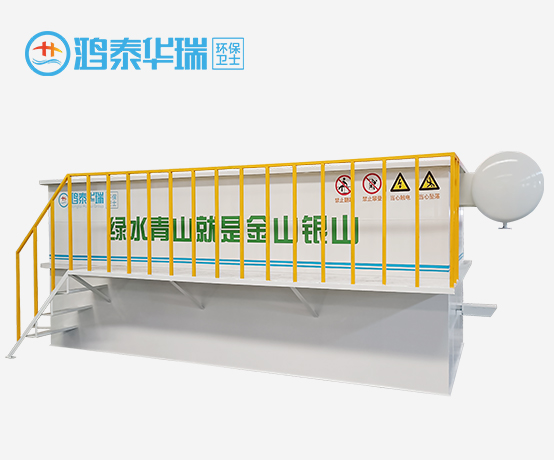
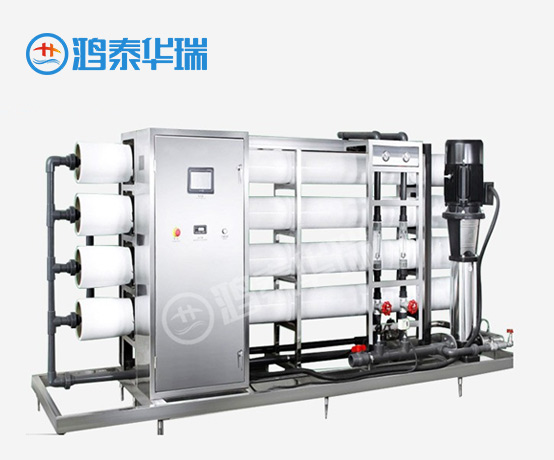
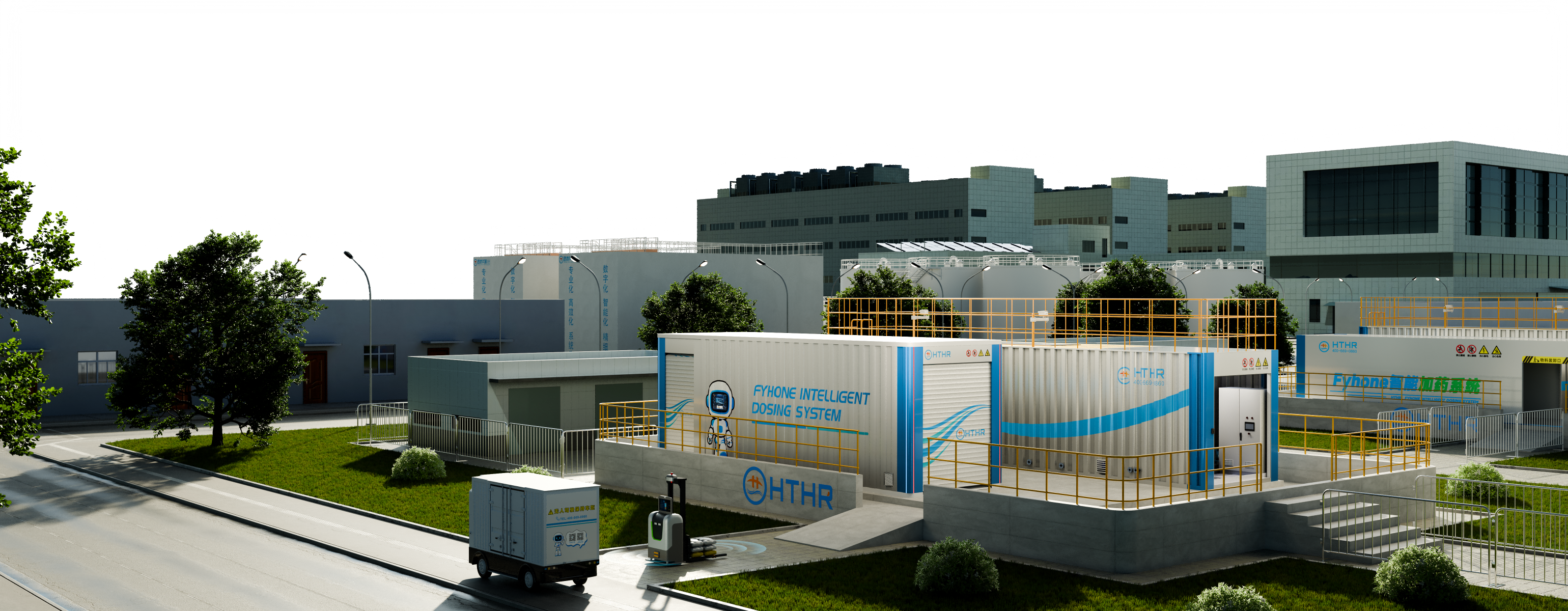
Under these constraints, decentralized, modular, integrated treatment equipment has become a practical choice to fill gaps in network coverage of centralized plants. Factory-prefabricated, on-site installation cycles are reduced from years to weeks and can be flexibly deployed at terminal nodes difficult for centralized plants to reach.
However, a long-term core challenge for operating integrated equipment locally in Vietnam is: when influent water quality fluctuates significantly, relying on manual experience to adjust process parameters is highly unstable, making consistent effluent compliance difficult; meanwhile, Vietnam faces a severe shortage of professional wastewater treatment personnel, making it even harder to ensure qualified staff at each decentralized site.
- Solution: FyhoneOS for Unmanned, Precise Operation and Maintenance
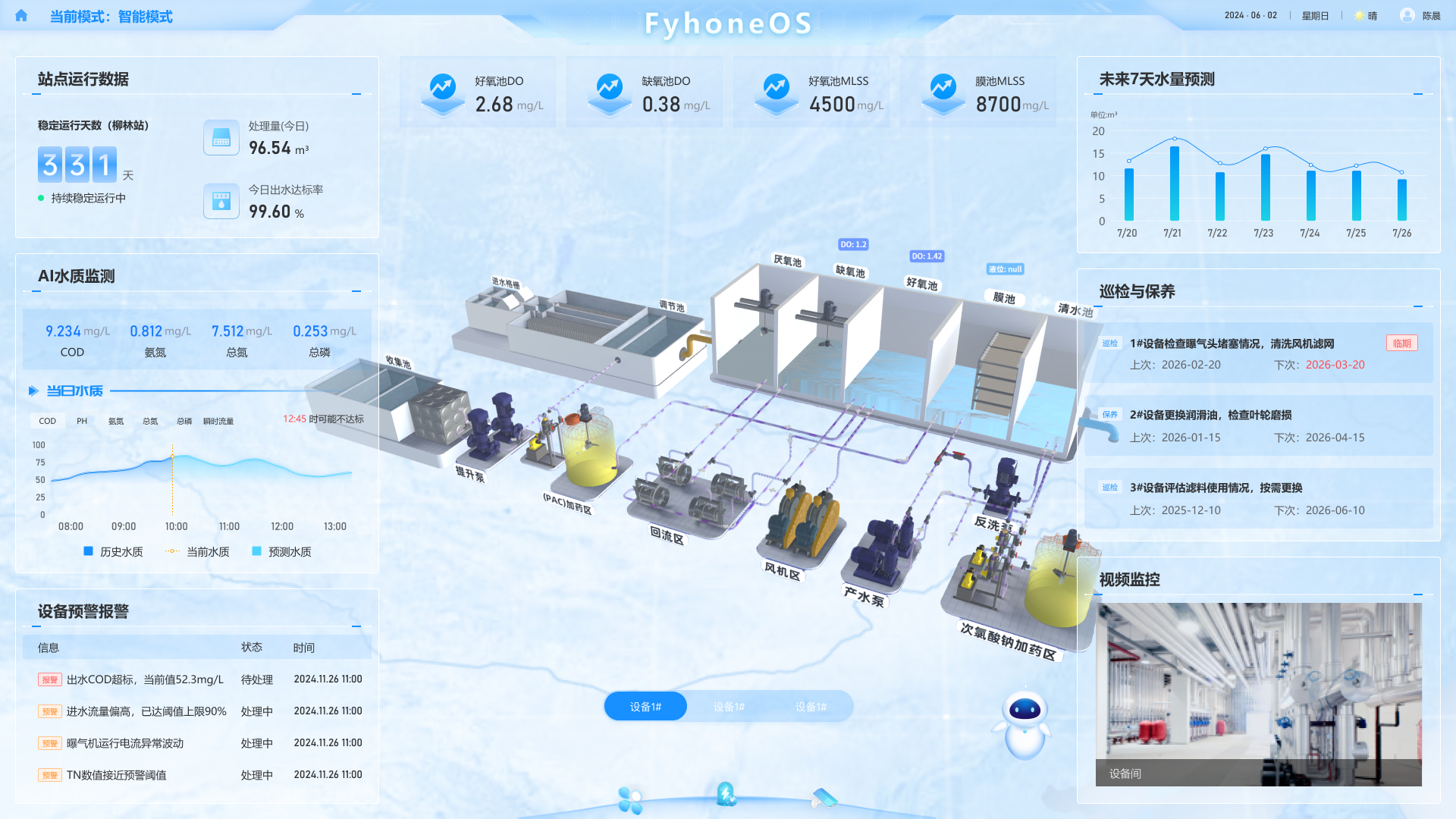
The FyhoneOS is specifically designed to address this operational pain point, converting the traditionally manual, experience-based control process into a data-driven automatic response mechanism.
Pain Point 1: Rainy season overflows cause drastic influent fluctuations, manual control lags
FyhoneOS Solution: The system uses multi-parameter online sensors at the influent end to continuously collect key indicators such as COD, ammonia nitrogen, total phosphorus, and suspended solids. Combined with machine learning models, it assesses operating conditions in real time, automatically adjusting aeration, recirculation, and chemical dosing parameters. Even during sharp influent load fluctuations in the rainy season, the system can maintain effluent within Vietnam’s QCVN 14 Class A standard without human intervention.
Pain Point 2: Severe shortage of professional O&M personnel, difficult management of dispersed sites
FyhoneOS Solution: The platform brings multiple decentralized units under unified monitoring. Operators can view real-time operational data, water quality curves, and alarm information for each site via a terminal, enabling one person to manage multiple sites, effectively alleviating local technical personnel shortages.
Pain Point 3: Rising industrial electricity prices, sensitive operating costs
FyhoneOS Solution: Aeration typically accounts for over 60% of total energy consumption in wastewater treatment. The FyhoneOS dynamically adjusts aeration intensity based on influent load forecasts and real-time dissolved oxygen feedback, avoiding prolonged over-aeration and electricity waste. Field measurements show total energy savings of 20%–35%, providing a significant long-term cost advantage amid rising electricity prices in Vietnam.
Extended Value: Data Transparency, Adaptable to Performance-Based Payment
For investors and operators participating in Ho Chi Minh City wastewater projects via PPP models, the transparent, traceable data system provided by FyhoneOS offers a credible technical basis for performance-based payment calculations.
- Market Window and Implementation Value
Pressure on wastewater treatment in Ho Chi Minh City will not ease in the short term. The strict policy targets, continuous international funding, and gradually opening channels for private capital jointly create favorable conditions for rapid market demand release.
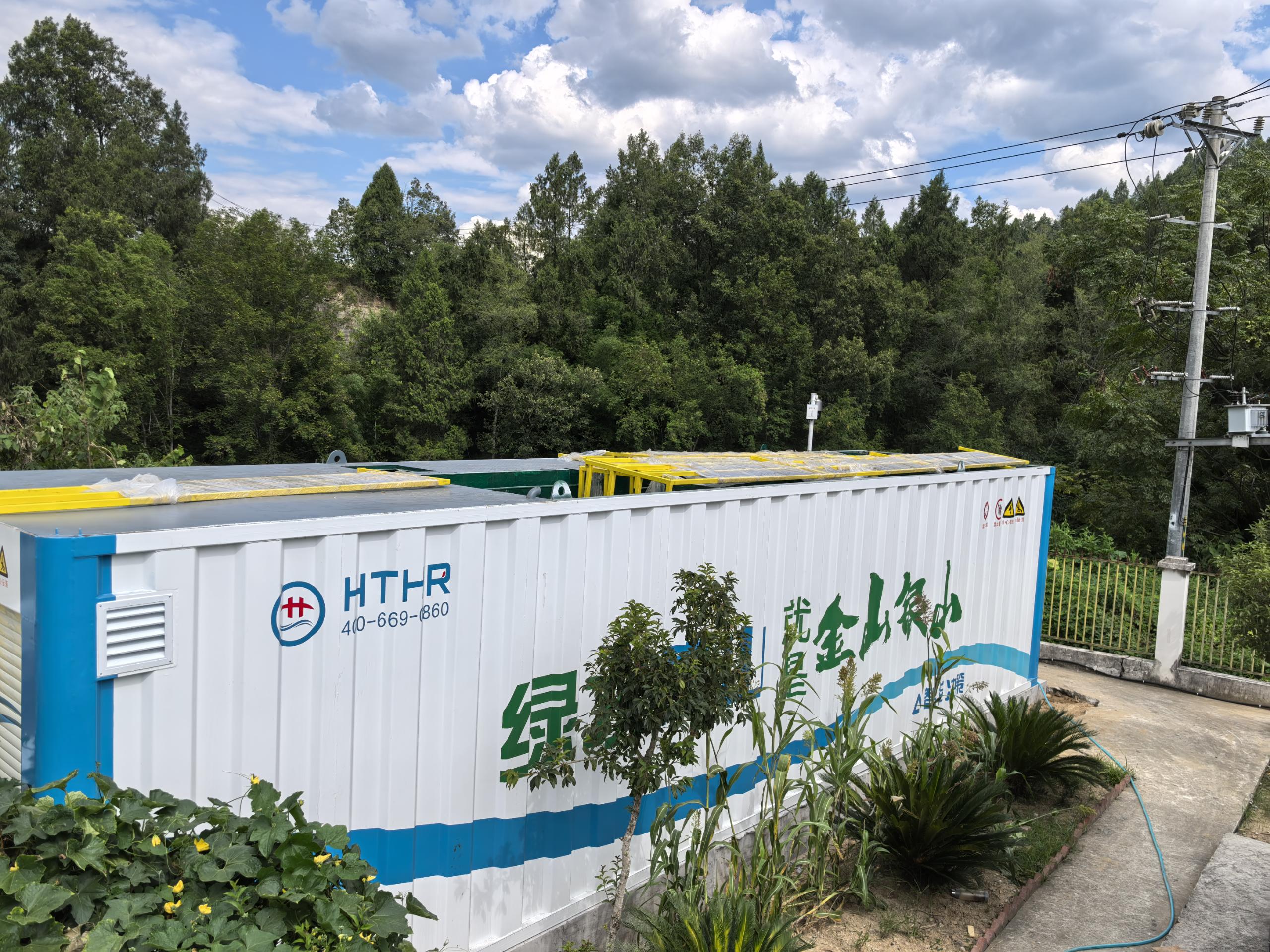
Given the scarcity of professionals, complex influent conditions, and sensitivity of operating costs, ensuring long-term stable operation of decentralized wastewater treatment facilities will be the key variable determining whether a technical solution can truly take root.
The FyhoneOS provides a verifiable, replicable, and scalable technical solution to this key variable through its integrated capabilities of intelligent control, remote management, and energy savings.
If further adjustments in language style are needed (e.g., more policy-oriented or business pitch-oriented), or to supplement specific cases, data sources, or recommendations for cooperation models, these can be provided upon request.
This response is AI-generated and for reference only; please carefully verify the content.


 hthrjt2017@gmail.com