hthrjt2017@gmail.com


Papermaking wastewater treatment technology
- release date: 2025-11-20 16:02:03
- author: Hongtai Huairui
- Reading: 1423
- key words: papermaking wastewater treatment
Hongtai Huarui Technology Group welcomes your visit. We have been dedicated to the environmental protection and governance industry for over a decade! We look forward to a cooperation with you!


+86 19102876179 +86 400-669-0860

Due to the low production section in the pulp and paper process, there are great differences between sections, and there are also some differences in the wastewater generated.
The amount of pulp wastewater is large and seriously polluted, and the white water produced on the paper machine is much less polluting, and different treatment methods are needed for these differences. The papermaking treatment method is very large, according to its different principles of action, it can be divided into physical method, chemical method, physical chemical method, biochemical method, etc.
The treatment of this method relies on physical action. The physical method mainly removes the suspended solids of insexual solids in the wastewater, and at the same time removes some of the substances that cause COD, which reduces the color of the wastewater to a certain extent. Commonly used physical treatment methods include: precipitation method, filtration method, centrifugal separation method, etc.
1) The sedimentation method is also called gravity separation method The principle of action is that some polluting particles in wastewater have different specific gravities of water, and under the action of gravity, the heavier polluting particles will slowly settle to the bottom, separate from the water, and be removed from the wastewater. The sedimentation method can effectively remove most of the solid suspended solids in wastewater, and usually, in order to reduce the cost of subsequent biochemical treatment and improve the final treatment effect, this treatment method is used as a pretreatment for wastewater treatment.
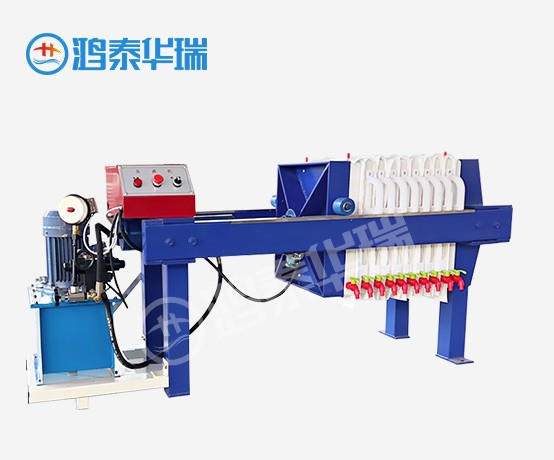
2) Filtration method It is to make the wastewater pass through the filter medium, and the solid particles and suspended matter in the wastewater with a diameter greater than the filter pore size are intercepted and purified. Commonly used filtration equipment and facilities include partitions, filters, filter presses, vacuum filters, etc.
3) Centrifugal separation method, its left and right principles are: the mass of suspended particles in water and water is different, so at the same speed, the suspended matter with a larger mass is subjected to a greater centrifugal force, which will converge to the center and sink to the bottom layer, so the two can be separated by rotating the wastewater at high speed.
This method reduces COD and color and removes part of the solid suspended solids by adding chemicals. Chemical methods include oxidation, reduction, neutralization, etc.
1) Oxidation and reduction methods In the process of pulp and papermaking, a large number of soluble organic and inorganic pollutants are transferred to wastewater, causing pollution to the water body, redox method is the oxidant or reducing agent added to the wastewater, because these additives have oxidation or reduction ability, the pollutants in the wastewater will react with the added oxidizing or reducing agents, so as to convert organic pollutants into harmless substances. The oxidation method is generally used for treatment, and it is more suitable for oxidation treatment, and the reduction method is mostly used for treatment of chromium-containing and mercury-containing wastewater. Commonly used oxidants include chlorine, bleach, ozone, etc. Commonly used reducing agents are sodium bisulfite, ferrous sulfate, etc.
2) Neutralization method : Due to the addition of different chemical agents in the pulp and paper making process, the wastewater shows a certain acidity and alkalinity, at this time, it is necessary to add the opposite alkaline or acidic substance to neutralize the wastewater and lay the foundation for subsequent treatment. Calcium hydroxide is one of the commonly used reagents in the neutralization method, after adding calcium hydroxide to wastewater, it not only adjusts the pH value of wastewater, but also produces a certain flocculation and precipitation effect, reducing the color of wastewater.
Previous Article:Sewage treatment ozone oxidation technol...
Next Article:What are the process characteristics of...
The content you might be interested in
Environmental Protection Information
Recommended Products