In Qatar, water does not flow from taps—it is “burned” out of natural gas pipelines. For every ton of freshwater produced, the country effectively burns the equivalent of three barrels of oil in natural gas. To understand Qatar’s wastewater treatment needs, one must first understand its life-and-death relationship with water.
Qatar covers about 11,500 square kilometers, located on the eastern Arabian Peninsula. Its average annual rainfall is less than 100 mm, while evaporation reaches as high as 2,000 mm. This means there is virtually no natural surface runoff replenishment. After decades of over-extraction, groundwater aquifers are nearly depleted. Per capita renewable freshwater availability is only about 33 cubic meters per year—far below the internationally recognized “water stress line” of 1,700 cubic meters per year.
In stark contrast is the reality of high consumption: Qatar’s per capita daily water use ranges from 500 to 1,000 liters, roughly two to four times the global average. Heavy government subsidies have long suppressed water prices, and the lack of metering mechanisms has jointly led to structural waste. Statistics show that Qatar’s actual withdrawal of renewable water resources has reached 431% of its sustainable limit.
For this reason, wastewater treatment in Qatar is not a downstream environmental project, but a core pillar of national water security. Treated sewage effluent (TSE) is currently the country’s only local water source with a real surplus. As of 2019, Qatar had built 26 wastewater treatment plants, achieving a collection rate of 99.3% and treating 276 million cubic meters annually. The treated water is widely reused for agricultural irrigation, landscaping, and groundwater recharge.
Seven major pain points: Market opportunities within structural contradictions
Although Qatar’s wastewater treatment industry appears substantial on the surface, deep structural contradictions remain unresolved beneath the numbers. These contradictions represent precise entry points for intelligent water solutions.
Pain point 1: Insufficient pipeline coverage and discharge blind spots.
The sewage network covers only 65% of drinking water service areas. Areas not connected rely on tanker collection, but wastewater is often dumped into open lagoons instead of entering treatment systems, posing serious risks to land and groundwater. Decentralized, integrated treatment equipment is key to filling these coverage gaps.
Pain point 2: Seasonal supply-demand imbalance, with summer shortages of reclaimed water.
Reclaimed water is surplus in winter but insufficient during peak summer demand for landscaping and agriculture. This requires equipment with higher water quality stability and flexible operational adjustment capabilities to bridge seasonal gaps.
Pain point 3: High per capita water use continues to increase treatment pressure.
Daily usage of 500–1,000 liters per person generates large volumes of wastewater, while subsidies make inefficient usage hard to change in the short term. Treatment systems must have sufficient capacity elasticity and automatic load adjustment to handle peak surges.
Pain point 4: Weak monitoring data for industrial wastewater.
Monitoring systems for wastewater discharge from oil, gas, and industrial sectors remain underdeveloped, with significant data gaps. As NDS-2 advances comprehensive water quality monitoring in industrial zones, intelligent equipment with real-time monitoring and reporting capabilities will gain policy priority.
Pain point 5: Aquifer depletion and stricter groundwater recharge standards.
Qatar’s Permanent Water Resources Committee regards groundwater reserves as a bottom line for national water security, ensuring supply during desalination disruptions. High-quality reclaimed water for artificial recharge has become a national strategy, raising effluent quality thresholds.
Pain point 6: Shortage of professional O&M personnel and urgent need for automation.
The Gulf region lacks skilled water operations personnel, and extreme summer heat makes outdoor work difficult. Traditional manual inspection models are inefficient, costly, and risky. AI systems with remote monitoring, fault prediction, and automatic adjustment can significantly reduce dependence on local labor.
Pain point 7: Lack of suitable solutions for small and medium decentralized projects.
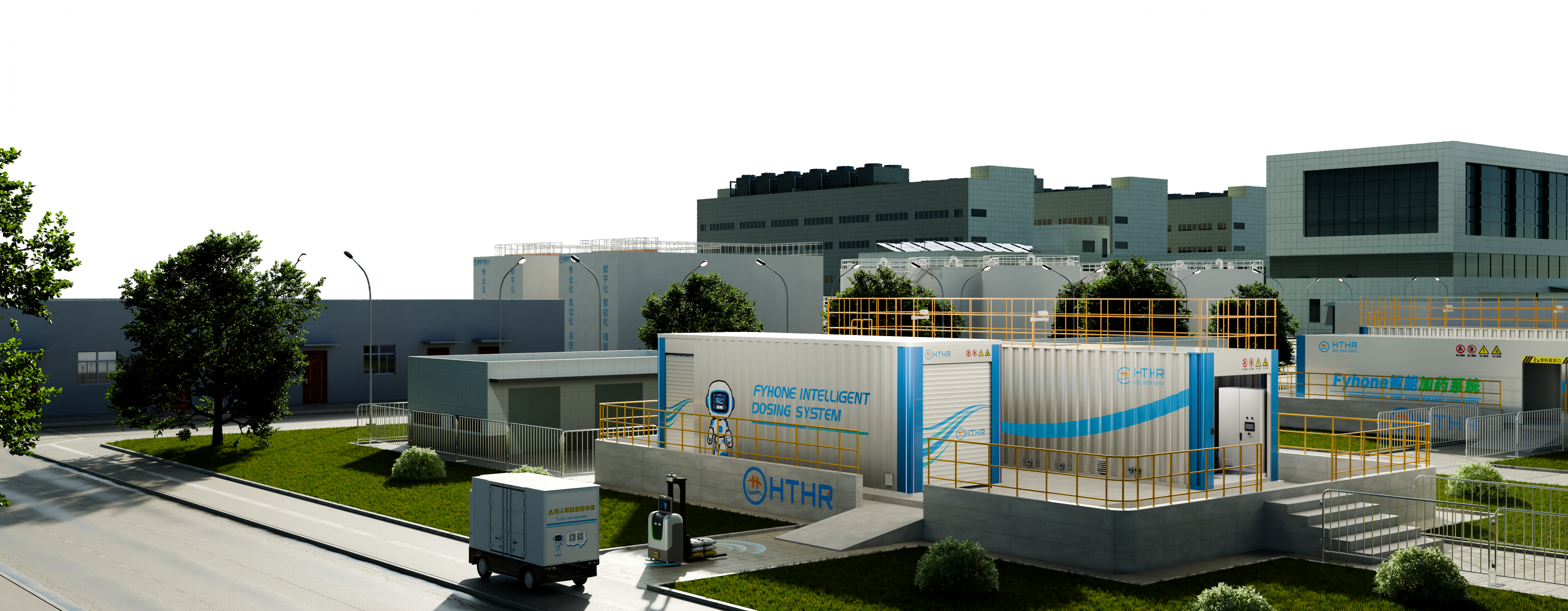
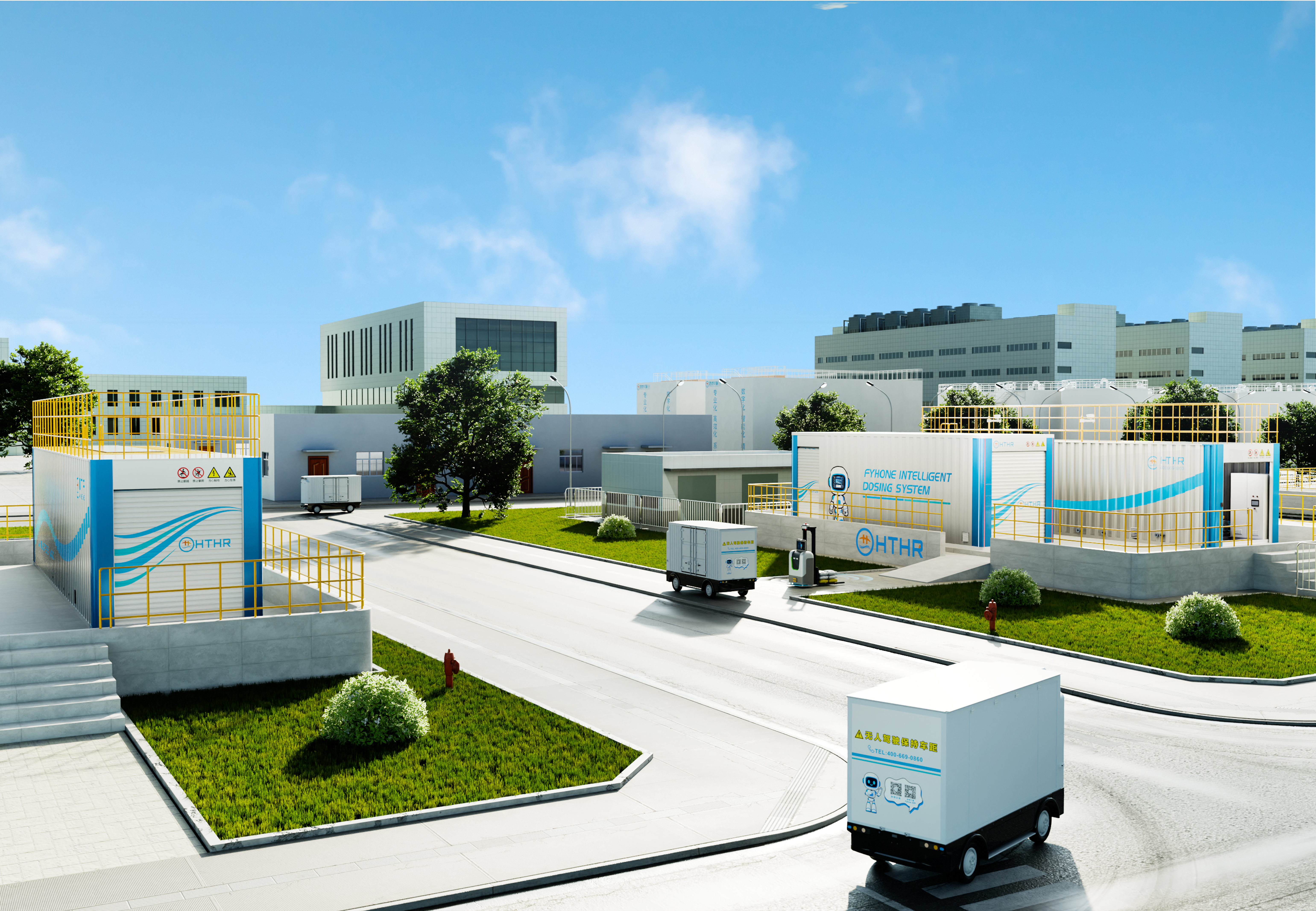
Qatar is promoting decentralized wastewater treatment at community, industrial park, and event facility levels. Current market players focus on large centralized plants, leaving a significant gap for rapidly deployable, modular, scalable intelligent solutions.
Policy dividends: National strategy paving the way for smart water
Qatar’s water market is not a free market but a policy-driven one. Understanding the policy framework is key to identifying real entry points.
Qatar National Vision 2030 identifies wastewater reuse as a core challenge, promoting a circular water economy, encouraging innovation, and supporting renewable energy-driven desalination and treatment systems.
The National Development Strategy Phase II (NDS-2) sets three key goals: achieving infrastructure to utilize 70% of treated wastewater by 2022, establishing comprehensive monitoring systems in industrial zones, and expanding decentralized treatment. These align closely with intelligent integrated solutions.
The Qatar Water Security Policy emphasizes continuous supply, top water quality standards, strategic storage, and intergenerational security, promoting large-scale artificial aquifer recharge and raising effluent quality requirements.
The Qatar Water Strategy 2030 sets targets to reduce per capita consumption and expand reuse, with the Public Works Authority leading implementation.
The Tarsheed conservation program encourages renewable energy and water-saving systems, providing policy support for energy-efficient intelligent equipment.
Together, these policies signal a clear shift: Qatar is transforming wastewater treatment from “end-of-pipe discharge” to “strategic resource recycling.” Intelligent, low-energy, high-quality treatment technologies will benefit most during this transition window.
FyhoneOS: A solution built for Qatar’s extreme conditions
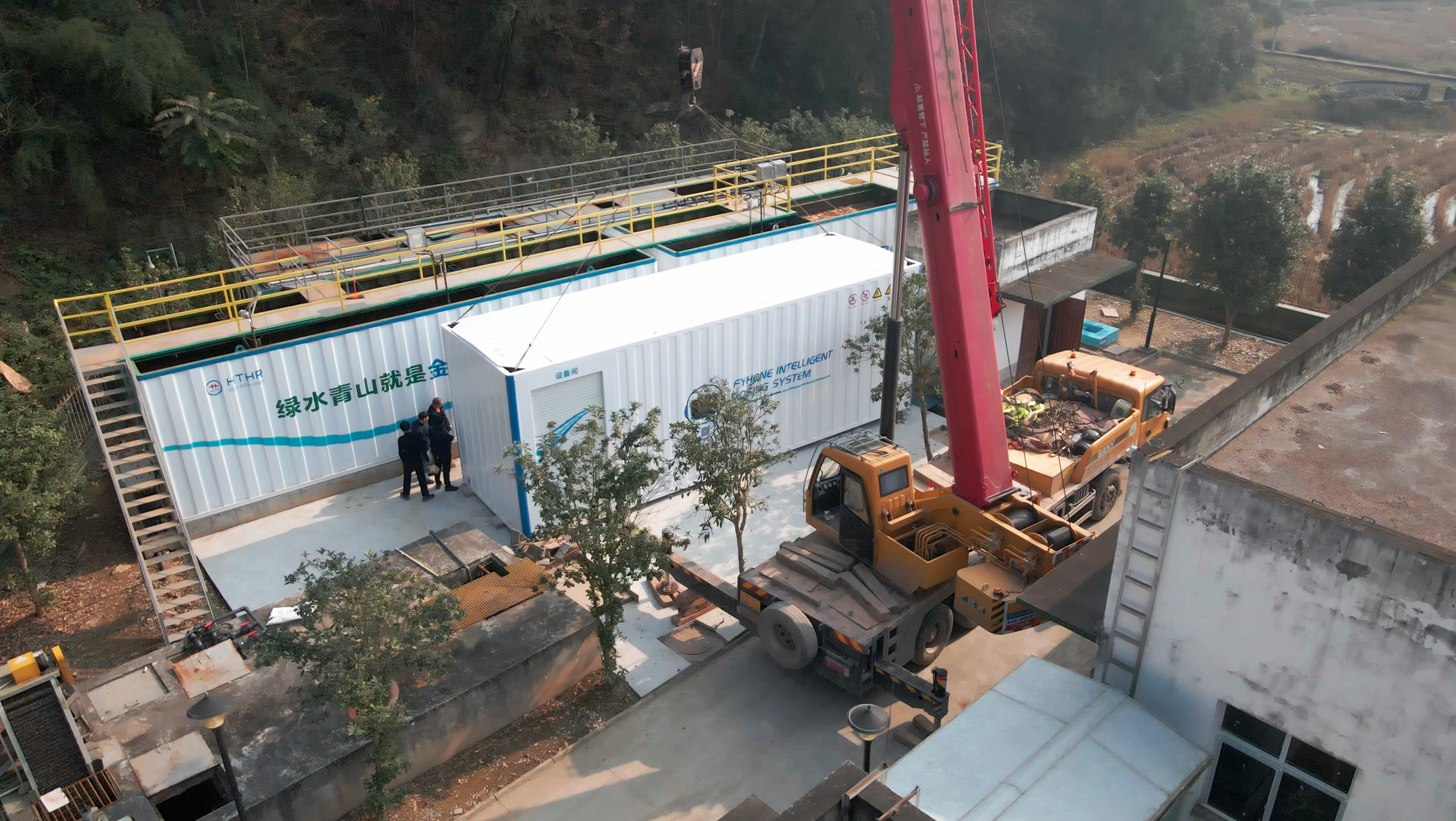
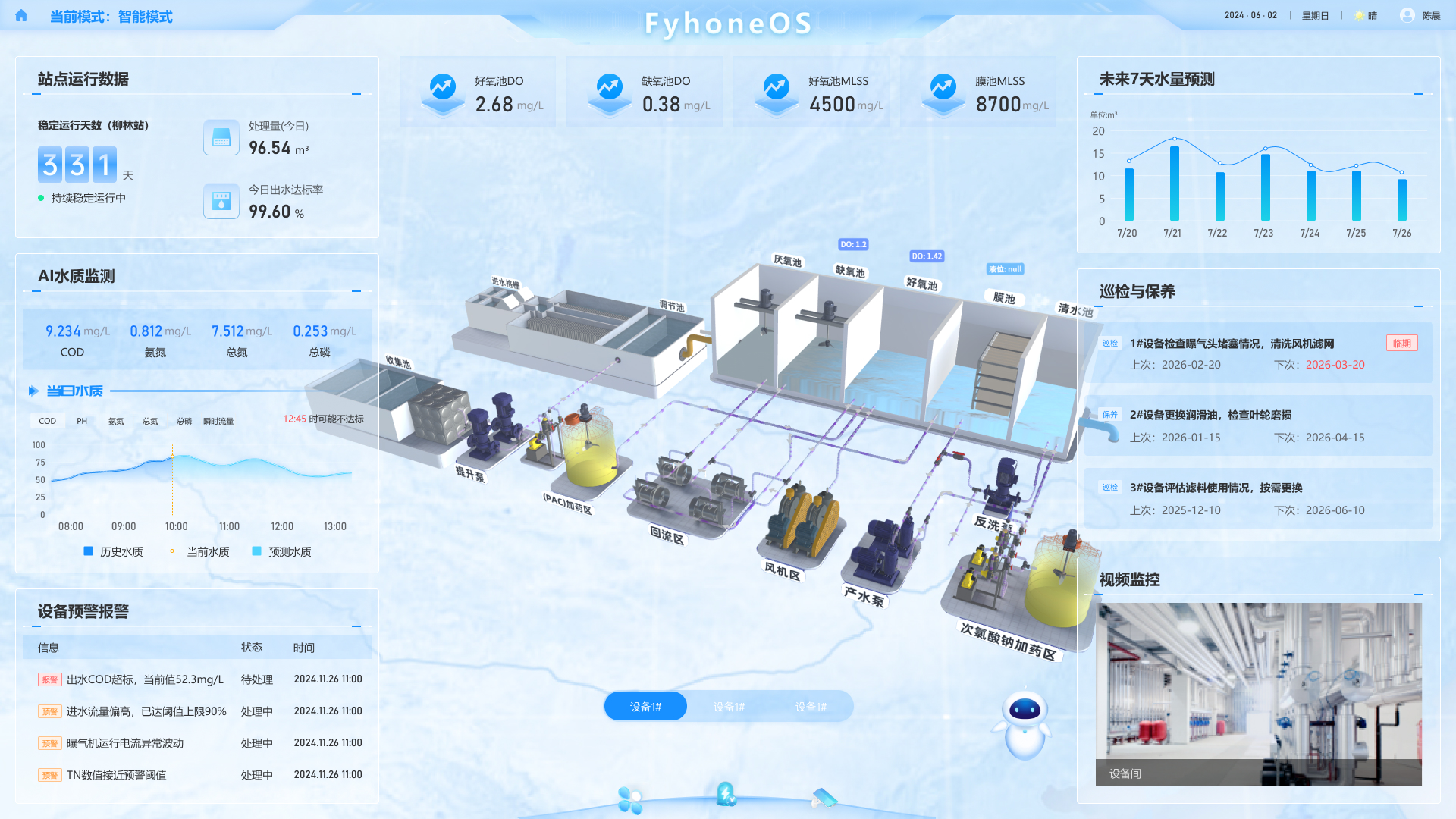
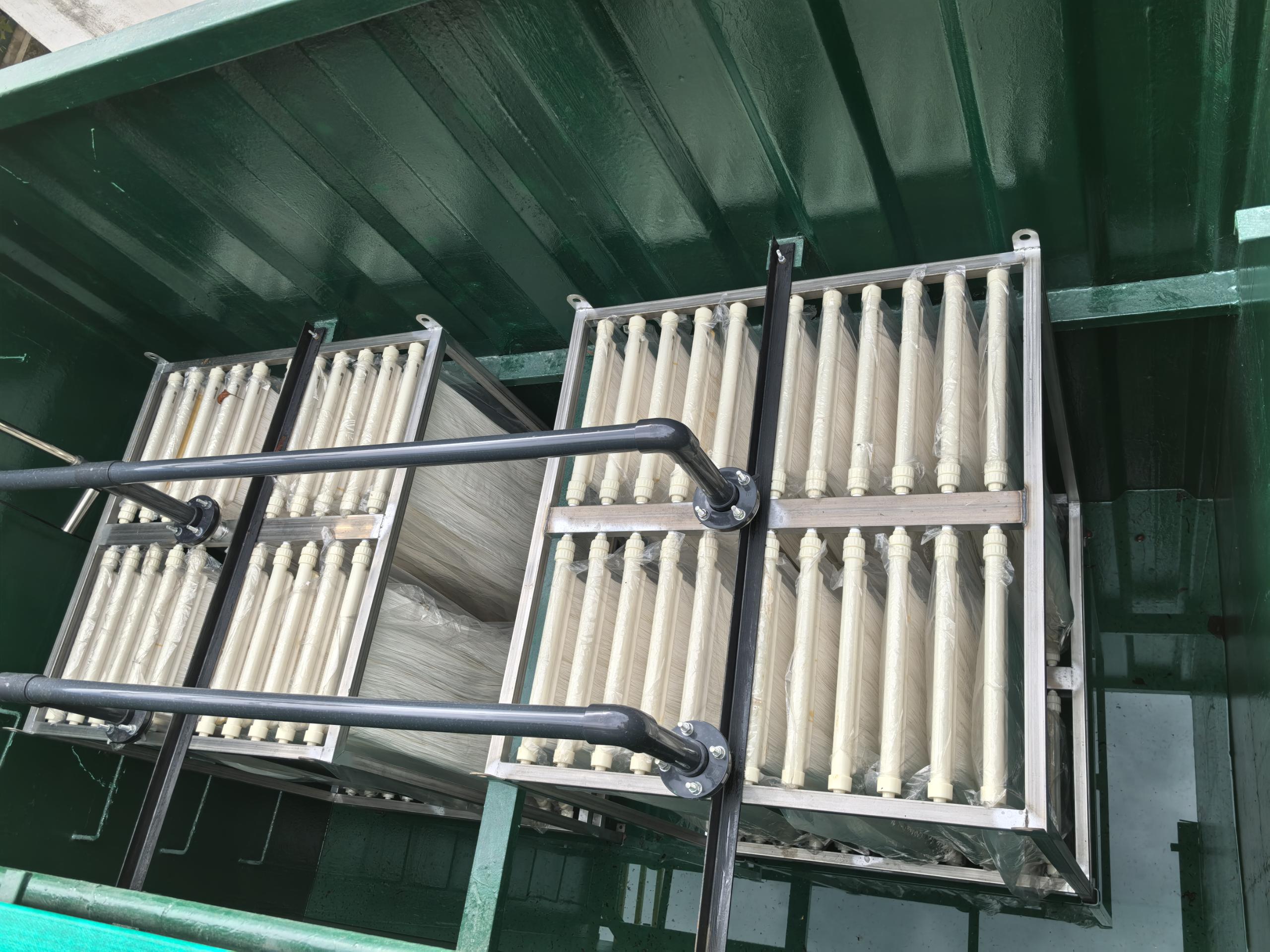
The intelligent integrated wastewater treatment system equipped with Fyhone AI adopts a “perception–decision–execution” architecture, upgrading traditional systems. Under Qatar’s extreme conditions—high temperature, high salinity, and labor shortages—each core function directly addresses real market pain points.
Scenario 1: Summer peak demand and reclaimed water shortages.
Fyhone AI builds predictive models based on historical inflow and seasonal patterns, adjusting process parameters 24 hours in advance. It optimizes aeration, chemical dosing, and reflux ratios, smoothing seasonal imbalances.
Scenario 2: Groundwater recharge and stricter quality standards.
Integrated multi-parameter monitoring enables millisecond-level closed-loop control of key indicators, ensuring effluent meets standards for irrigation, recharge, and municipal reuse.
Scenario 3: High temperatures and lack of skilled operators.
A cloud-based digital twin platform enables full lifecycle remote monitoring. AI fault prediction reduces unplanned downtime—critical in Qatar’s harsh climate.
Scenario 4: Pipeline blind spots and growing decentralized demand.
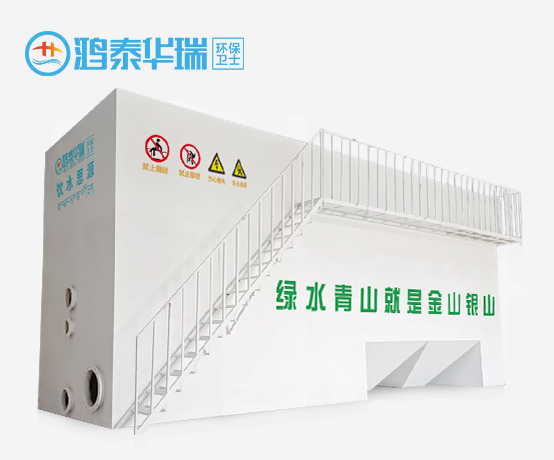
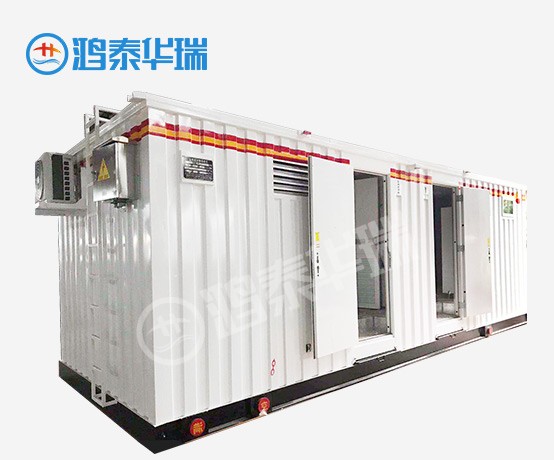
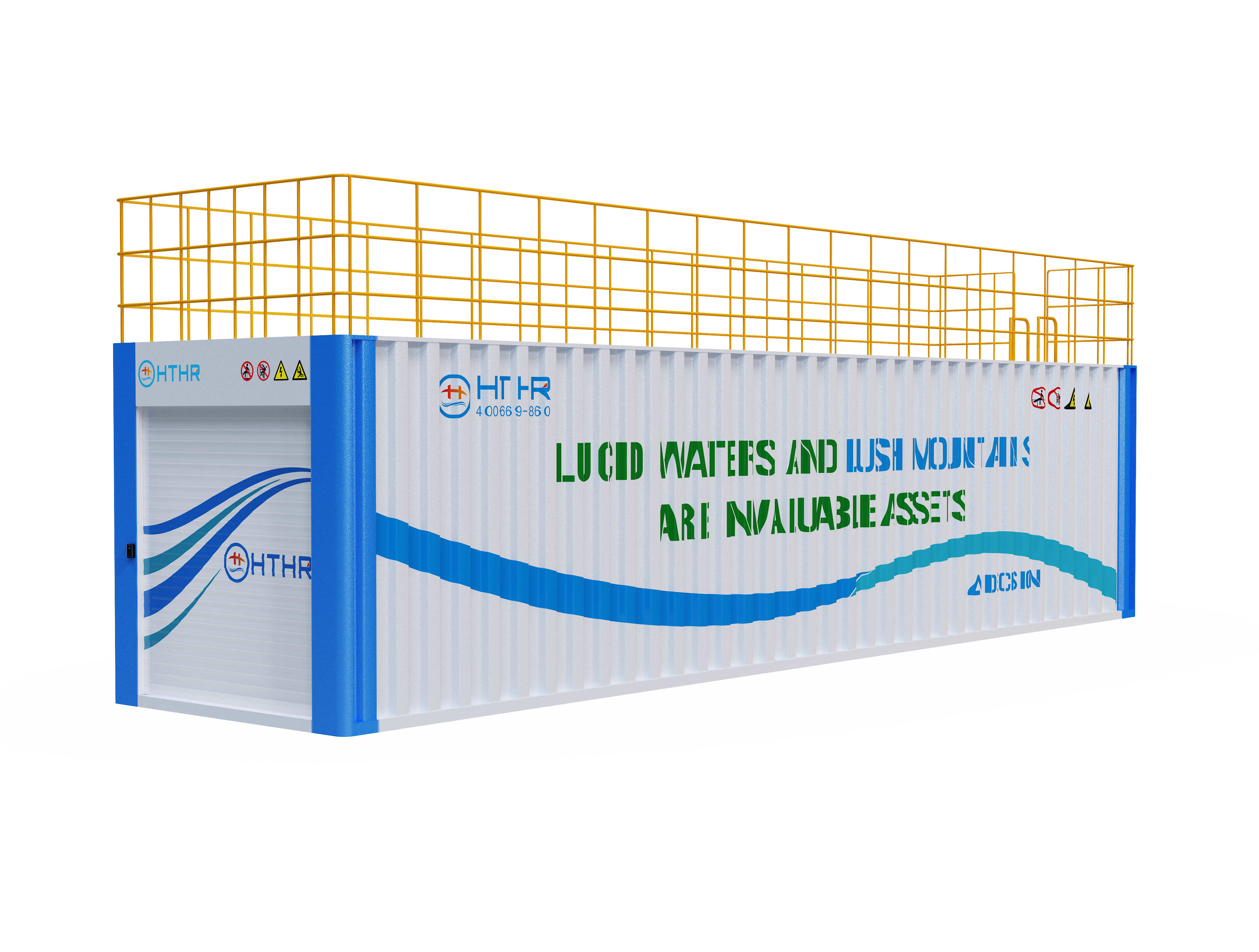
Compact integrated design reduces footprint and enables rapid deployment in unserved areas such as suburbs, industrial parks, and construction camps. Modular scalability fits a wide range of project sizes.
Scenario 5: Policy-driven energy efficiency requirements.
Real-time energy optimization minimizes aeration consumption while maintaining compliance, aligning with Tarsheed’s conservation goals.
The window of opportunity: Why now is the best time to enter Qatar’s water market
Policy and infrastructure expansion are converging. NDS-2 and Water Strategy 2030 are in key implementation phases, with active project tenders.
Upgraded reuse standards are driving equipment replacement. Older systems face compliance pressure, creating demand for intelligent upgrades.
The decentralized market is largely untapped. Major players focus on large plants, leaving a clear first-mover advantage in smaller-scale intelligent solutions.
New city developments like Lusail continue to generate steady demand for decentralized treatment in residential and public facilities.
Reclaimed water is Qatar’s only local water source with real surplus. Maximizing its use is both a technical challenge and a national strategy. In this extremely arid country, intelligent water management is not optional—it is essential to reshaping the water resource paradigm. The Fyhone AI-powered integrated wastewater treatment system is built precisely for this mission.


 hthrjt2017@gmail.com