When Decentralized Wastewater Treatment Meets the "Impossible Triangle" — Indonesia's Dilemma and the Path Forward
- release date: 2026-03-06 15:46:11
- author: Hongtai Huairui
- Reading: 1078
- key words: Distributed sewage treatment, Indonesian sewage treatment, artificial intelligence sewage treatment, Indonesia
Indonesia has a population of 275 million, yet urban sewerage network coverage stands at just approximately 2% — among the lowest of any middle-income country globally. To bridge the enormous gap left by centralized infrastructure, the Indonesian government has aggressively promoted community-based decentralized wastewater treatment (DEWATS/SANIMAS) since 2003, deploying over 15,000 treatment units across 26 provinces. The policy direction is right. The reality is full of frustration.

Where Are the Professionals?
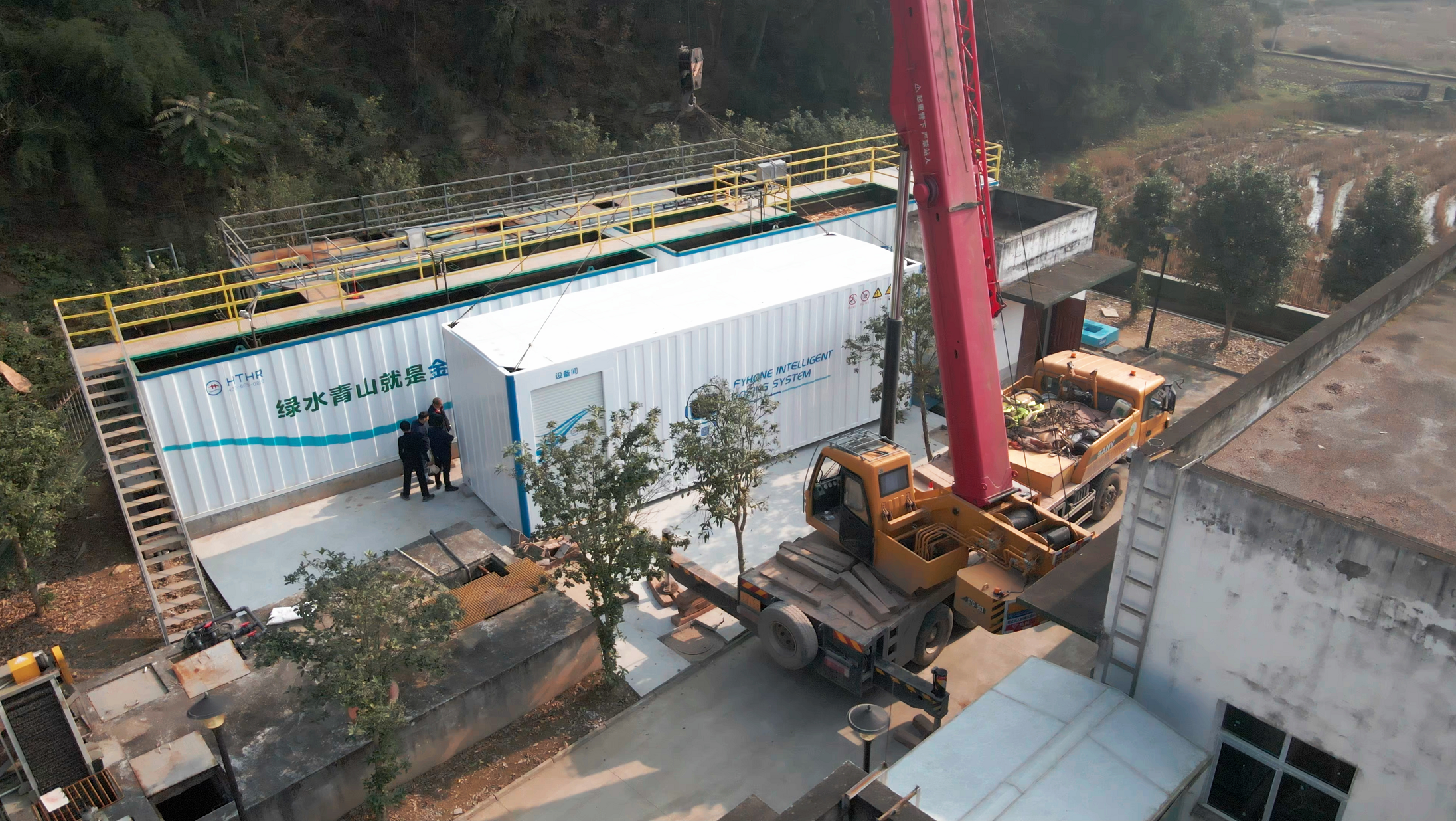
The central contradiction of decentralized systems is that technical operations and maintenance responsibility has been placed squarely on the shoulders of ordinary community residents. Research shows that while community organizations can sustain day-to-day operations, they are often ill-equipped to handle sludge removal, major equipment overhauls, or post-disaster recovery. Indonesia currently has approximately 140 fecal sludge treatment stations (IPLT), of which 90% have ceased operations or run chronically under capacity — the root cause being a lack of stable, professional O&M capacity. When no one understands the equipment, problems are deferred until the system fails entirely.
Where Does the Money Come From — and Where Does It Go?
Operational funding for decentralized systems depends on user fees, but the revenue collected typically only covers routine expenses — far short of what is needed for regular desludging and major repairs. Meanwhile, the National Medium-Term Development Plan 2020–2024 (Presidential Regulation No. 18) set an ambitious target of 90% sanitation coverage by 2024, without resolving the sustainable last-mile operational funding problem. The result: vast quantities of infrastructure built and left idle.
Effluent Quality — Who Is Accountable?
Indonesia has yet to enact a comprehensive wastewater management law comparable to the U.S. Clean Water Act or the EU Urban Wastewater Treatment Directive, and environmental enforcement has historically been weak. The absence of real-time monitoring means that effluent violations are typically detected only after pollution has already occurred. In Yogyakarta, for example, groundwater nitrate concentrations and E. coli indicators at multiple monitoring sites have seriously exceeded Ministry of Environment standards — and the source is the very community treatment facilities ostensibly "in operation."
These three compounding challenges — no one to operate, broken funding, uncontrolled effluent quality — do not stem from a flaw in the decentralized model itself. They stem from the fact that conventional equipment inherently lacks the ability to "sense itself and regulate itself." This is precisely the problem that AI-powered integrated wastewater treatment equipment is designed to solve.
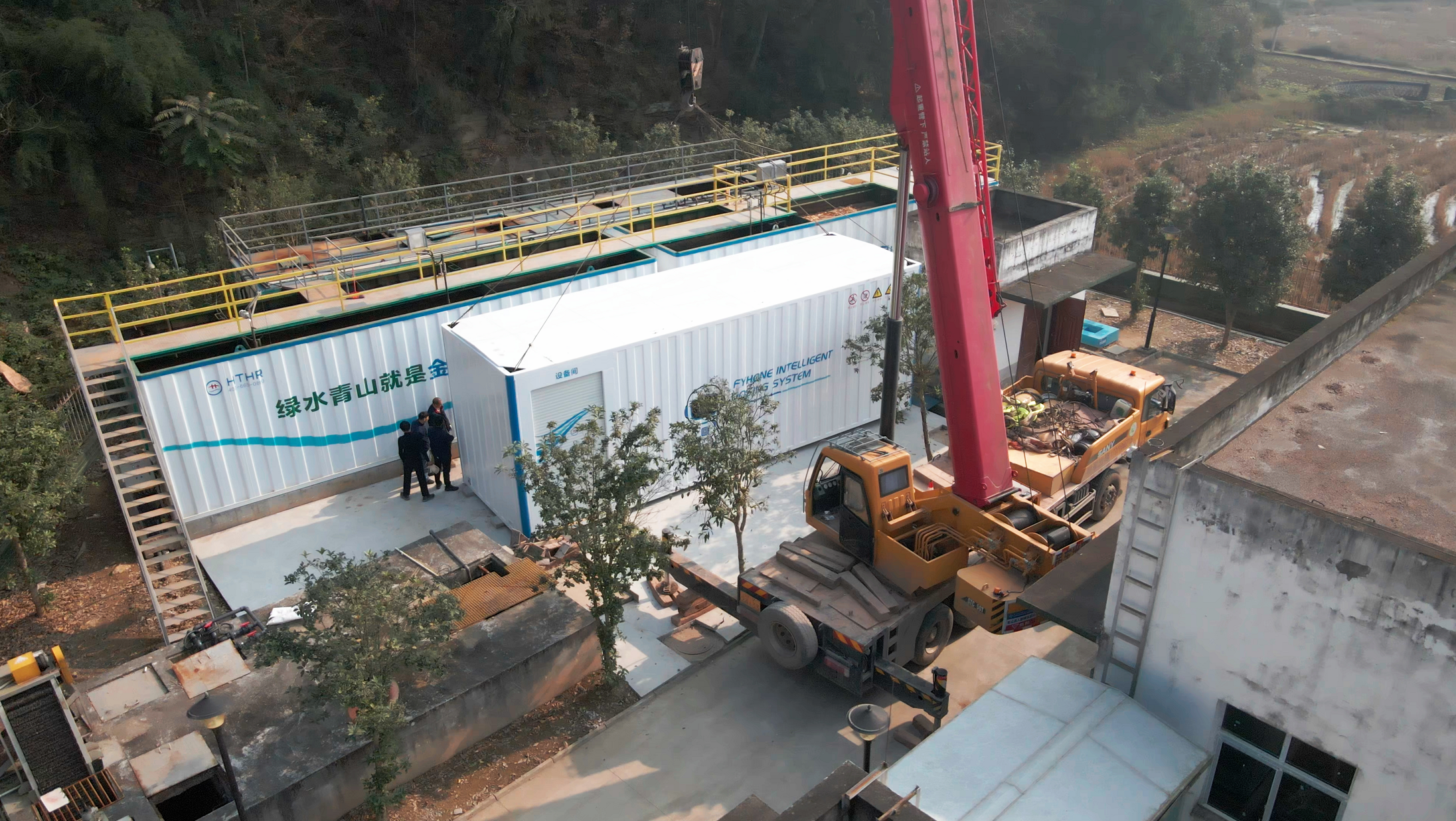
AI-driven integrated units can continuously sense influent quality fluctuations and automatically adjust process parameters, converting operational decisions that once required experienced engineers into closed-loop logic executed autonomously by the equipment. Anomaly alerts, remote diagnostics, and energy optimization can all function reliably in communities with no local technical team. It asks nothing of residents in terms of wastewater treatment knowledge, and does not depend on local governments dispatching specialists on demand — hitting precisely the most vulnerable link in Indonesia's decentralized treatment chain.

Indonesia's Ministry of Environment Regulation No. 68 (2016) explicitly requires local governments to report wastewater treatment quality data and treatment technology information to provincial and central authorities — and compliance pressure is mounting. Smart integrated equipment capable of automatically generating operational logs and water quality reports is not merely a technological upgrade; it is a practical tool that helps local governments meet their compliance obligations.
Indonesia's wastewater challenge has never lacked policy will, nor investment in infrastructure. What it lacks is a technical solution capable of operating reliably and consistently meeting discharge standards — without continuous human intervention.


 hthrjt2017@gmail.com