The Technical Bottlenecks of Wastewater Treatment in Southeast Asia — How the Fyhone AI System Breaks the Deadlock
- release date: 2026-03-09 17:25:32
- author: Hongtai Huairui
- Reading: 415
- key words: Southeast Asia Wastewater Treatment/Vietnam Wastewater Treatment/Fyhone System/AI-Powered Wastewater Treatment/Artificial Intelligence Wastewater Treatment
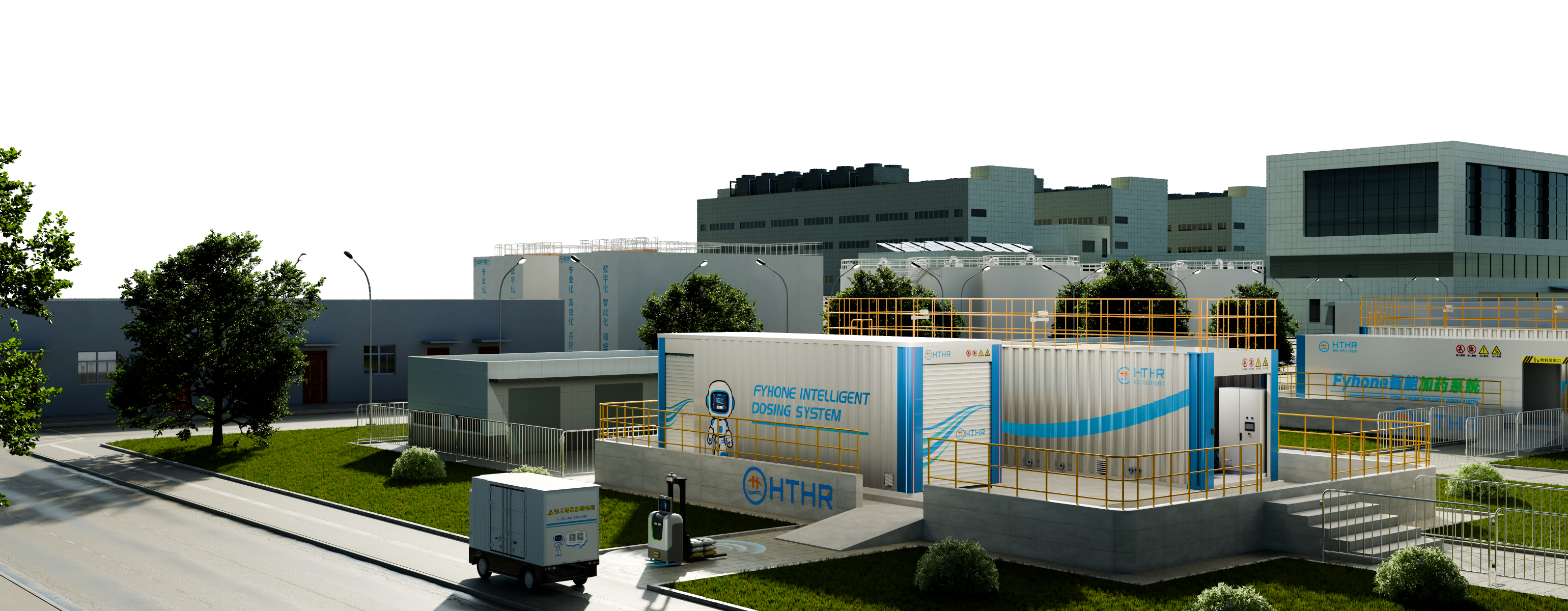
Vietnam’s accelerating industrialization is driving more than GDP growth. It is also generating hundreds of millions of tons of industrial wastewater each year, much of it discharged without adequate treatment.
According to data from Vietnam’s Ministry of Natural Resources and Environment, more than 70% of industrial wastewater nationwide fails to meet discharge standards, while municipal wastewater treatment coverage in major cities remains below 15%. The root of the problem is not the lack of policies, but the mismatch between existing technological solutions and Vietnam’s complex on-site conditions.
Three Critical Weaknesses in Traditional Solutions
Inability to handle influent fluctuations.
Vietnam’s monsoon climate leads to significant seasonal variations in wastewater characteristics. During rainy and dry seasons, influent COD and ammonia concentrations can vary by three to five times. Conventional treatment systems rely on fixed operational parameters and are unable to dynamically adapt to such changes, making discharge exceedances almost inevitable.
Unsustainable reliance on manual operations.
A standard wastewater treatment facility typically requires 5–15 skilled technicians on-site to continuously adjust operating parameters. However, Vietnam faces a severe shortage of qualified water treatment engineers, and rising labor costs make long-term manual operation increasingly unsustainable—particularly for small and medium-sized enterprises.
Structural weaknesses in data compliance.
Manual sampling and record-keeping significantly undermine the credibility of monitoring data. This approach struggles to meet Vietnam’s continuous compliance requirements under the QCVN environmental standards and is even less capable of passing ESG supply chain audits demanded by European and American buyers.
The Technological Approach of the Fyhone System
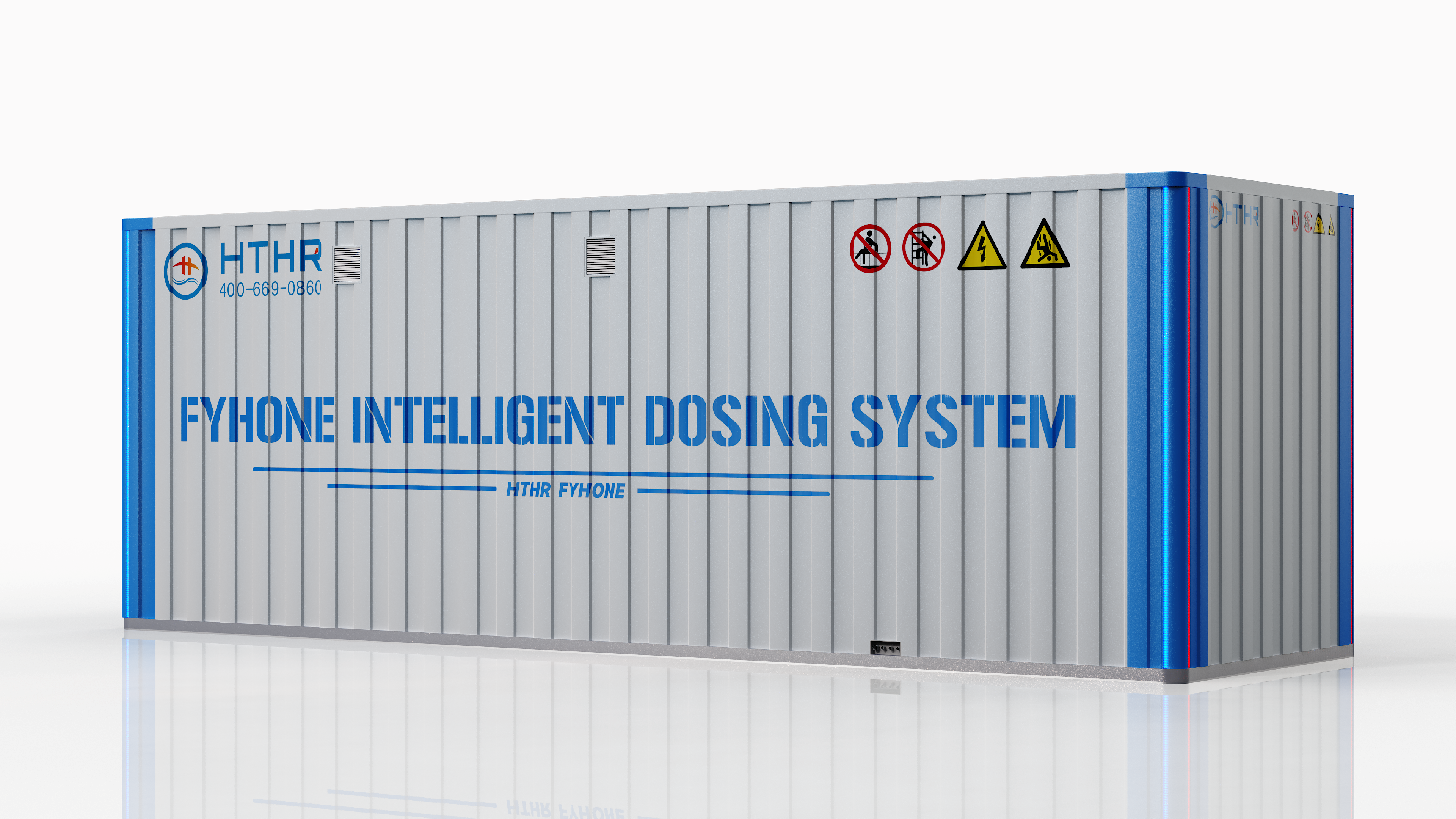
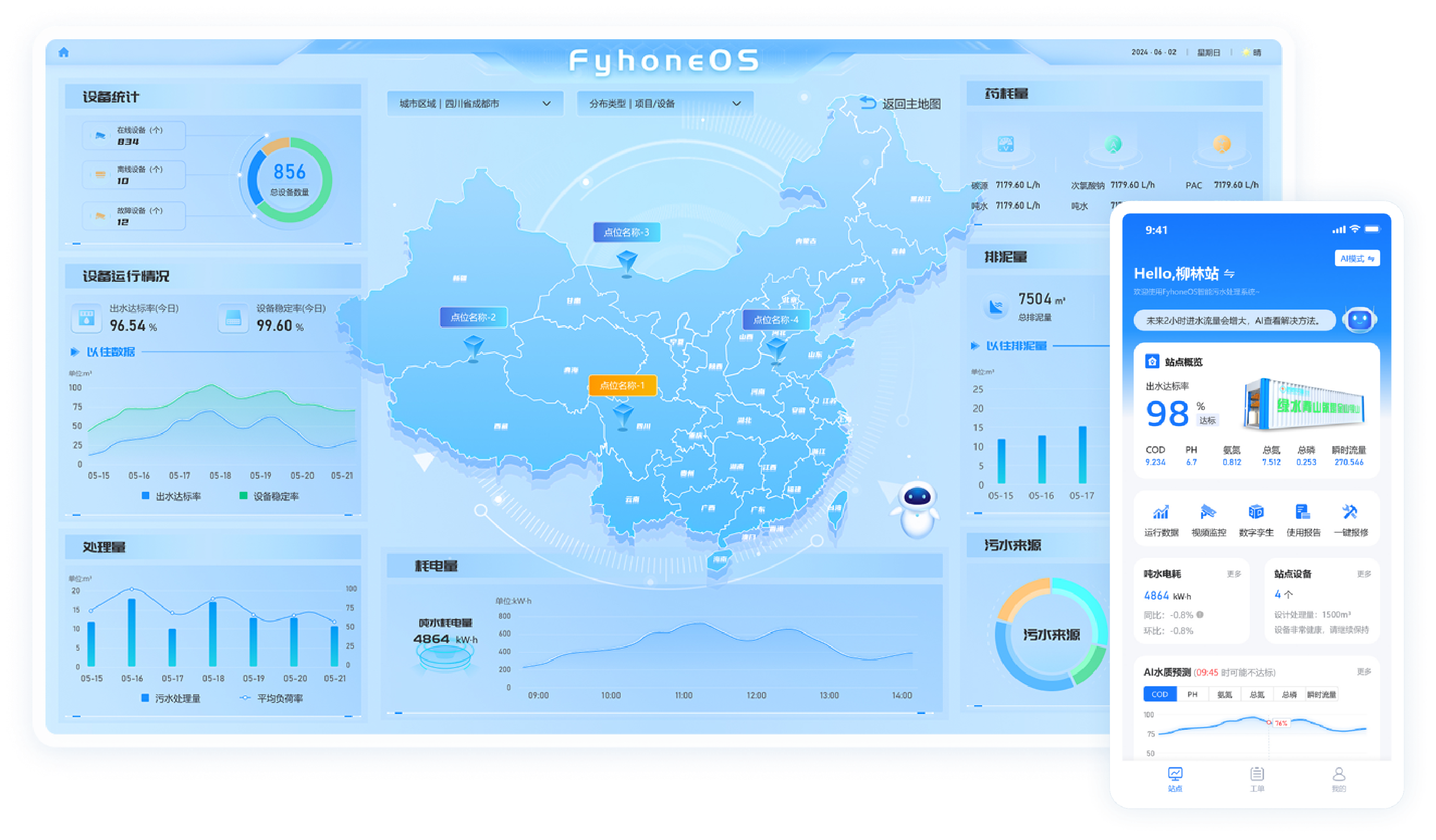
Hongtai Huarui’s intelligent integrated wastewater treatment system is equipped with the AI-powered Fyhone System, built on a collaborative architecture that combines edge AI computing with cloud-based large models. This framework directly addresses the three core challenges outlined above.
Real-time adaptive control.
The system continuously collects key water quality parameters—including COD, ammonia, pH, dissolved oxygen, and suspended solids. The Fyhone algorithm processes these inputs within milliseconds, dynamically adjusting aeration intensity, chemical dosing levels, and biological treatment pathways. When influent conditions change suddenly, the system automatically switches operational modes without human intervention, ensuring stable and compliant effluent quality.
Ultra-efficient operations and maintenance.
The equipment deploys an edge computing unit locally, allowing core control logic to run directly on-site. Even if network connectivity is interrupted, treatment operations continue uninterrupted. Daily operations typically require only one to two personnel for remote supervision. Combined with AI-powered predictive maintenance, the system can detect component anomalies in advance and prevent unplanned downtime.
Designed for Rapid Deployment and Efficiency
At the deployment level, the modular integrated design reduces land footprint by up to 60% and shortens construction timelines to 4–8 weeks. The system can be readily deployed across various applications, including industrial parks, food processing facilities, aquaculture farms, and hospitality complexes.
Compared with conventional wastewater treatment solutions, overall energy consumption can be reduced by 30–45%.
The Window for Technology Selection Is Narrowing
Vietnam’s National Environmental Protection Strategy to 2030 requires industrial parks to achieve a 90% wastewater treatment compliance rate by 2025. At the same time, ESG compliance within European and American supply chains has shifted from a soft expectation to a strict entry requirement.

The time window for extensive and outdated wastewater treatment practices is rapidly closing.
If you are currently evaluating wastewater treatment technology upgrades for facilities in Vietnam, we welcome the opportunity to exchange ideas.
Hongtai Huarui Intelligent Technology · Fyhone AI System
#WaterTech #AIWastewater #Vietnam #ESG #SmartManufacturing #SmartWaterManagement


 hthrjt2017@gmail.com