Against the backdrop of industrial green transformation, wastewater treatment has become a core compulsory course for enterprises’ compliant operations. In industries such as chemicals, pharmaceuticals, electronics, and food processing, wastewater has complex components and large concentration fluctuations. Improper discharge not only pollutes the water environment but also exposes companies to risks such as hefty fines and production shutdowns for rectification.
In fact, the core of industrial wastewater treatment is a “step-by-step purification” logic—pretreatment, primary, secondary, and tertiary treatment progressing layer by layer, ultimately achieving compliant discharge or resource-oriented reuse of wastewater. Today, we’ll explain the entire process, key data, and industry adaptation tips in plain language—ready to use as soon as you finish reading!
Core premise: Why can’t industrial wastewater be treated with a “one-size-fits-all” approach?
Industrial wastewater is "unique to each factory," and its complexity far exceeds that of domestic sewage, requiring tailored treatment processes. The core characteristics of wastewater from different industries vary significantly, directly determining the choice of treatment technology:
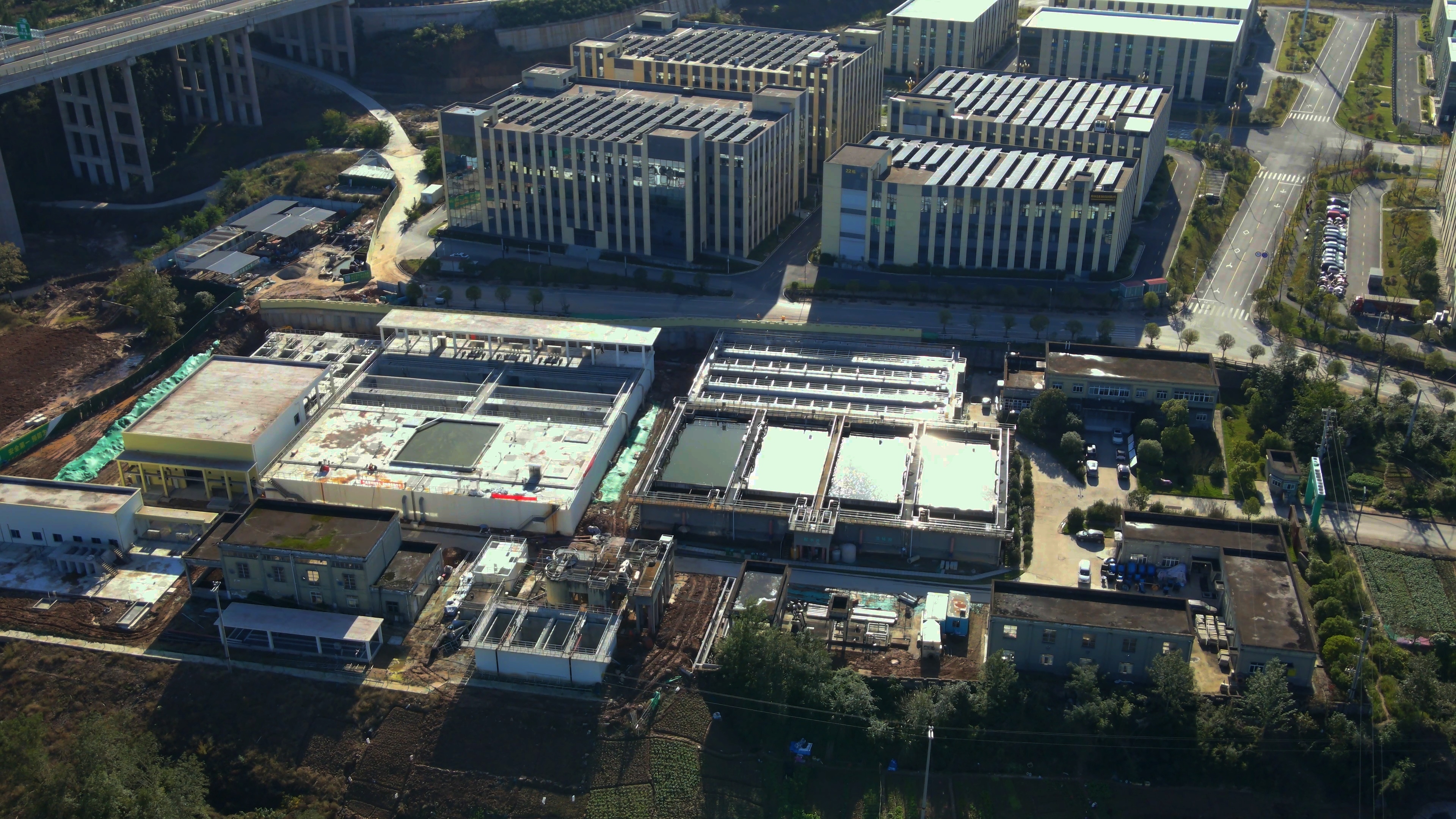
Chemical industry wastewater: COD 5000-50000 mg/L, high-concentration mother liquor can reach up to 100000 mg/L, containing toxic substances such as benzene compounds, heavy metals, etc., with pH fluctuating between 2-12, making treatment extremely difficult.
Pharmaceutical industry wastewater: Fermentation-type COD 10000-50000 mg/L, chemical synthesis-type wastewater containing highly toxic intermediates such as nitrobenzene, water quality fluctuating up to 300%, requiring very high stability of the treatment system.
Electronic industry wastewater: Precise removal of heavy metals like copper and nickel (nickel discharge limit 0.05 mg/L) and fluoride (must be reduced to below 10 mg/L), with residual amounts easily exceeding standards.
Food processing wastewater: Biodegradable (B/C ≥ 0.4), but with SS reaching 3000 mg/L and ammonia nitrogen around 80 mg/L, rich in oils and fats, easily clogging equipment and affecting treatment efficiency.
Regardless of the type of wastewater, all follow the core framework of "pretreatment → primary → secondary → tertiary," with clear objectives for each stage, all of which are indispensable.
First Stage: Pre-treatment — Remove Impurities, Adjust Conditions, Strengthen the Defense Line
Pre-treatment is the first line of defense in wastewater treatment. Its core function is to intercept large particles of impurities, balance the quality and quantity of water, remove interfering substances, and protect the normal operation of subsequent equipment, reducing the load on core treatment processes. Key technologies and effects:
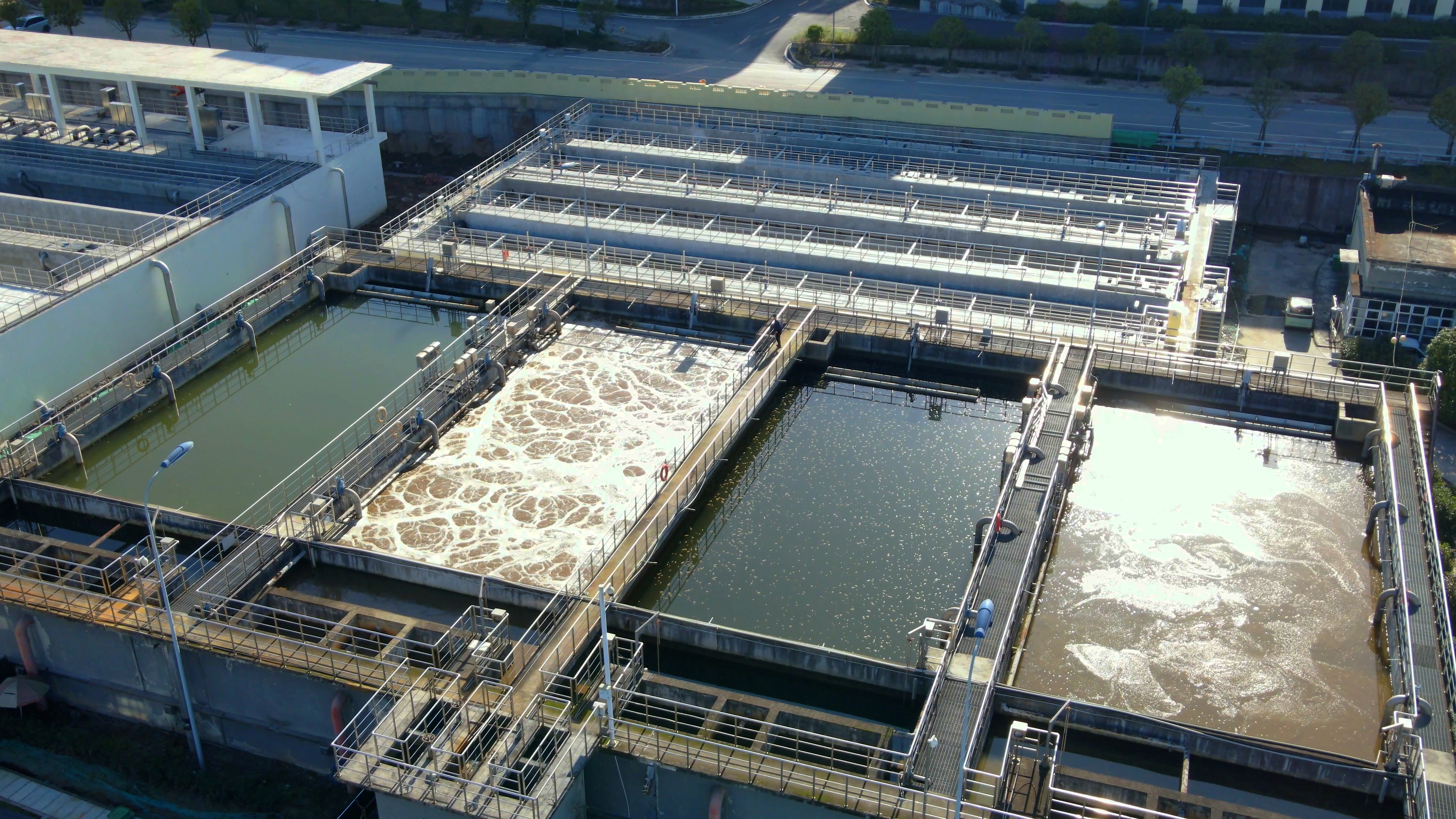
- Grilles + Screens: Coarse grilles (10-50mm) intercept large impurities, fine grilles (5-10mm) filter out small floating objects, and ultra-fine grilles (0.5-1mm) are used in the food industry, with an impurity removal rate exceeding 90%.
- Regulation Tanks: Stir to balance water quality, with residence time adjusted by industry (chemical/pharmaceutical 8-24 hours, food 8-12 hours, electronics 4-8 hours), buffering fluctuations in water quality.
- Oil Separation + Air Flotation: The horizontal flow oil separator removes floating oil with a particle size ≥ 150μm, completing separation within 30 minutes using inclined plates. Dissolved air flotation achieves a removal rate of more than 90% for emulsified oils, suitable for chemical and food industry oily wastewater.
- Demulsification + Conditioning: For emulsified oil wastewater, CaCl₂ and PAC (ratio 1:1-2) are added, achieving a demulsification removal rate of over 90%. For the electronic industry’s chelated heavy metal wastewater, sodium sulfide and ferrous sulfate are added to break the chelation, with a heavy metal release rate >95%.
The core of pre-treatment is to stabilize the "state" of the wastewater and eliminate fatal interference, laying a solid foundation for subsequent treatment.
Second Stage: Primary Treatment — Physical Separation, Preliminary Load Reduction
Primary treatment focuses on physical separation without altering the chemical properties of pollutants. It mainly removes SS, floating objects, and some colloids, reducing the pressure on secondary treatment. Key technologies and parameters:
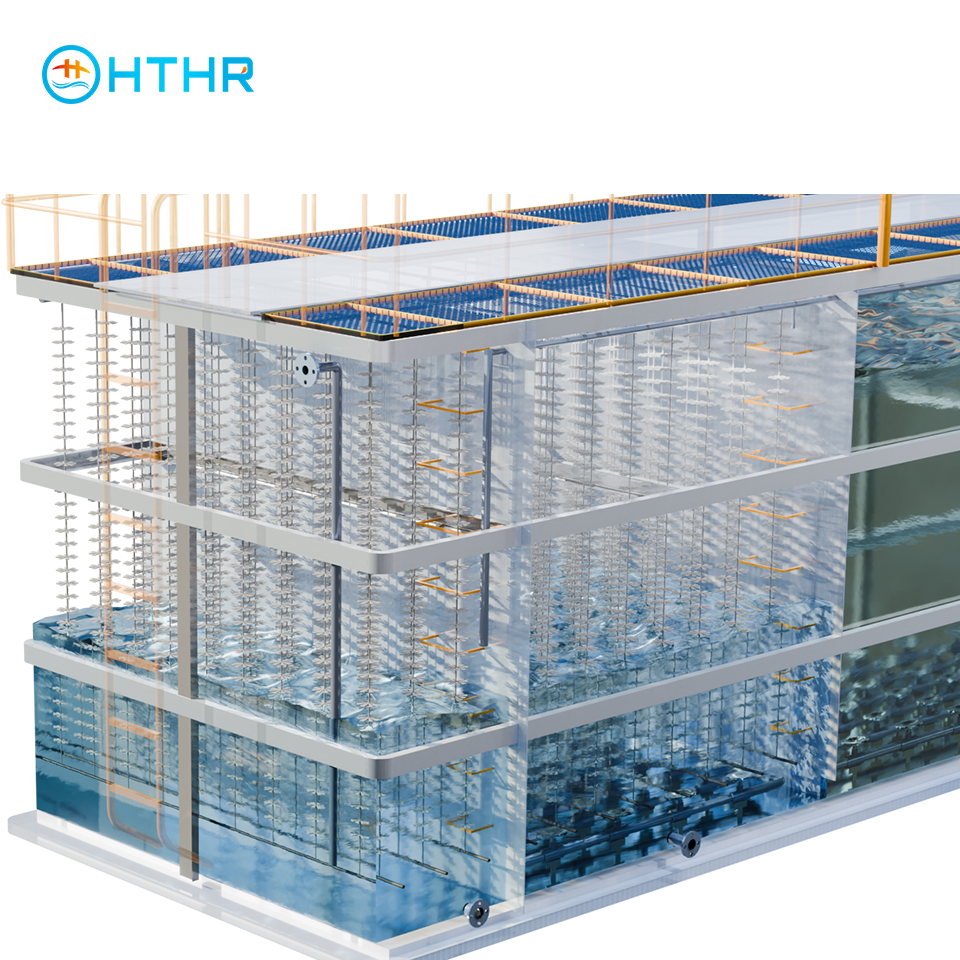
- Sedimentation Tank: Large and medium-sized tanks use horizontal flow (surface load 1.0-1.5 m³/(m²·h), SS removal rate 60%-80%); small-scale use of inclined tube sedimentation tanks (surface load 2.0-3.0 m³/(m²·h), residence time 30-60 minutes, effluent SS ≤ 100mg/L).
- Sand Separator: Removes particles with a density >1.5g/cm³ and particle size ≥0.2mm, with a horizontal flow velocity of 0.15-0.3 m/s and a residence time of 30-60 seconds to avoid equipment wear and sediment accumulation.
- Chemical Precipitation (Auxiliary): For electronic and electroplating wastewater, NaOH is added to adjust pH to 9.5-11, achieving a heavy metal removal rate >95%.
After primary treatment, 20%-30% of COD and 10%-20% of BOD₅ can be removed, paving the way for core treatment.
Third Stage: Secondary Treatment — Core Degradation, Main Pollutant Removal
Secondary treatment is the core step for pollutant removal, where over 80% of degradable organic matter, ammonia nitrogen, and total phosphorus are removed through biological or chemical processes. It is the key to meeting discharge standards. Biological treatment is the mainstream method, essentially using "microbial cleaners" to break down pollutants.
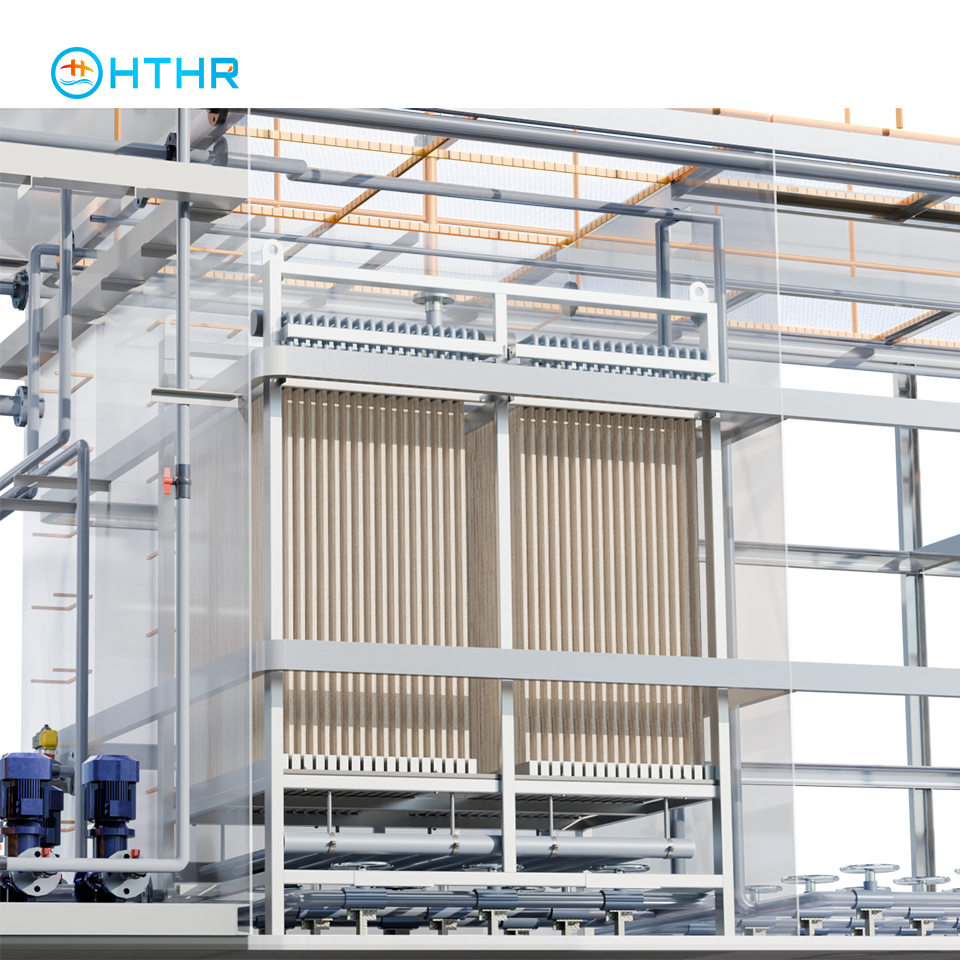
- Biological Treatment (suitable for wastewater with B/C ≥ 0.25)
Aerobic Treatment: Activated Sludge Method (sludge concentration 2-4g/L, BOD₅ removal rate ≥90%, suitable for food, petrochemical industries); Biofilm Method (biofilm formation in 7-15 days, shock-resistant, suitable for small enterprises); MBR (sludge concentration 8-12g/L, effluent SS ≤10mg/L, suitable for electronics, pharmaceutical industries).
Anaerobic Treatment: UASB/IC Reactors (volume load 4-10kgCOD/(m³·d), COD removal rate 60%-80%, suitable for high-concentration chemical, pharmaceutical wastewater).
Nitrogen and Phosphorus Removal: A/O Process (ammonia nitrogen removal rate ≥92%), A²/O Process (simultaneous nitrogen and phosphorus removal); Anaerobic Ammonia Oxidation Process (no aeration carbon source required, total nitrogen removal rate over 90%, cost reduced by 40%).
- Chemical Treatment (suitable for wastewater with B/C < 0.25, hard-to-degrade)
Fenton Oxidation: Fe²+ to H₂O₂ molar ratio 1:5-1:10, pH 2-4, COD removal rate ≥60%;
Ozone Oxidation: dosage 10-50mg/L, contact for 15-30 minutes, COD removal rate 30%-50%, suitable for pharmaceutical, electronic wastewater pretreatment.
Industry Adaptation: Chemical industry uses "Hydrolysis Acidification + UASB + A²/O", pharmaceutical industry uses "Hydrolysis Acidification + Two-stage A/O + MBR", food industry uses "UASB + Biological Contact Oxidation", all with COD removal rate ≥85%.
Level 4: Tertiary Treatment — Deep Purification, Standard Compliance + Reuse
Tertiary treatment, as the "final mile," removes residual difficult-to-degrade organic compounds, trace heavy metals, etc., from secondary treatment, meeting strict discharge standards and resource reuse requirements. Core technologies and effects:
Advanced Oxidation: Ozone catalytic oxidation (50-100mg/L dosage, COD reduction by 40%-60%), electrocatalytic oxidation (no chemical dosing, COD removal rate ≥50%), suitable for deep treatment in chemical and pharmaceutical industries;
Membrane Separation: Ultrafiltration (RO pre-treatment, recovery rate ≥90%), RO (salinity rejection rate ≥98%, treated water can be reused), electrodialysis (salt recovery from high-salinity wastewater);
Adsorption and Ion Exchange: Columnar activated carbon (iodine value ≥1000mg/g, adsorbs benzene series compounds), chelating resins (copper removal rate >99.5%);
Disinfection: Ultraviolet (dose 15-30mJ/cm²), sodium hypochlorite (dosage 5-10mg/L, contact time 30 minutes), ensuring water safety.
Industry Effectiveness: Chemical industry effluent COD ≤50mg/L, electronic heavy metals ≤0.1mg/L, food wastewater reuse rate ≥70%.
The core of industrial wastewater treatment is "tiered removal + targeted enhancement." Pretreatment ensures stability, primary treatment reduces load, secondary treatment removes core pollutants, and tertiary treatment improves water quality. Operating cost per ton of water: Food industry 1.2-2.0 yuan, Electronics 3.0-5.0 yuan, Pharmaceutical 4.0-8.0 yuan, Chemical industry 5.0-10.0 yuan. Through resource reuse, costs can be significantly reduced, achieving both environmental and economic benefits.
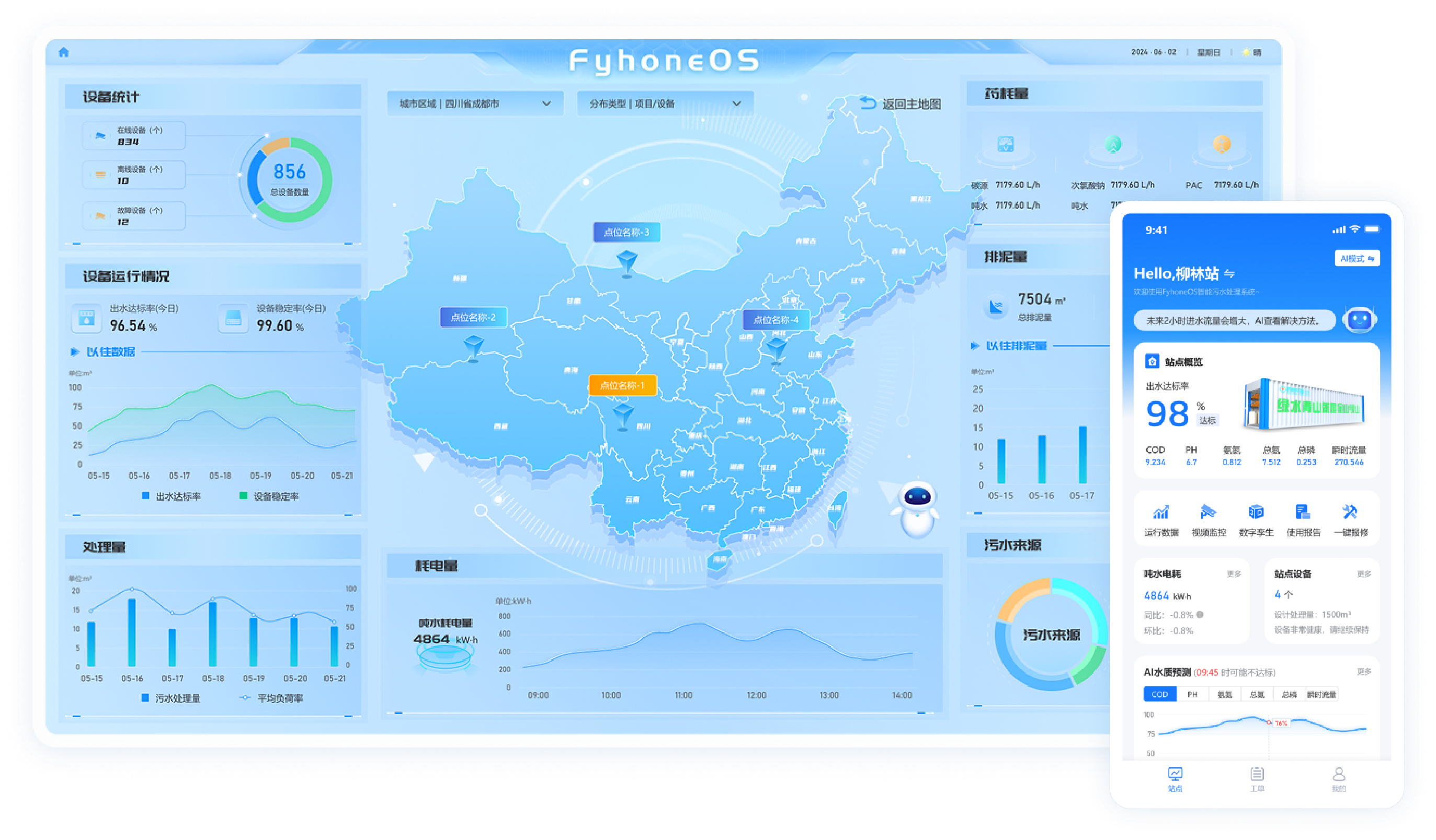 Current wastewater treatment is transitioning from "compliant discharge" to "resource recycling," with AI control and low-energy processes becoming mainstream. By understanding this process, companies can precisely choose suitable solutions that are both compliant and cost-effective.


 hthrjt2017@gmail.com