Industrial water reuse technology: How to achieve "zero discharge" of wastewater?
- release date: 2026-01-22 14:44:32
- author: Hongtai Huairui
- Reading: 627
- key words: industrial wastewater、reclaimed water reuse、wastewater zero discharge、WZD、reverse osmosis、RO、 digital twin technology、DT
As the dual carbon goals advance, water scarcity is no longer a distant alert but a tangible challenge for all industrial enterprises. In the past, industrial wastewater treatment was merely an environmental compliance obligation, yet today it has become a pivotal move for enterprises to cut costs, boost efficiency and realize green transformation. After all, every drop of wasted wastewater is essentially an untapped resource.
Official statistics back this up: industrial water consumption accounts for 22% of the global total water use, yet under traditional models, the wastewater reuse rate is typically below 50%. This not only leads to massive waste of water resources but also places a double burden on enterprises—the pressure of pollutant discharge and the costs of raw water procurement. In response, the government has rolled out a series of proactive policy incentives. The 2025 Edition of the National Directory of Encouraged Industrial Water-Saving Processes, Technologies and Equipment explicitly lists industrial wastewater recycling as a core development direction, with water efficiency targets for key industries including steel, textiles and electronics being continuously raised. This is driving enterprises to shift from an end-of-pipe treatment model to a resource recycling model.
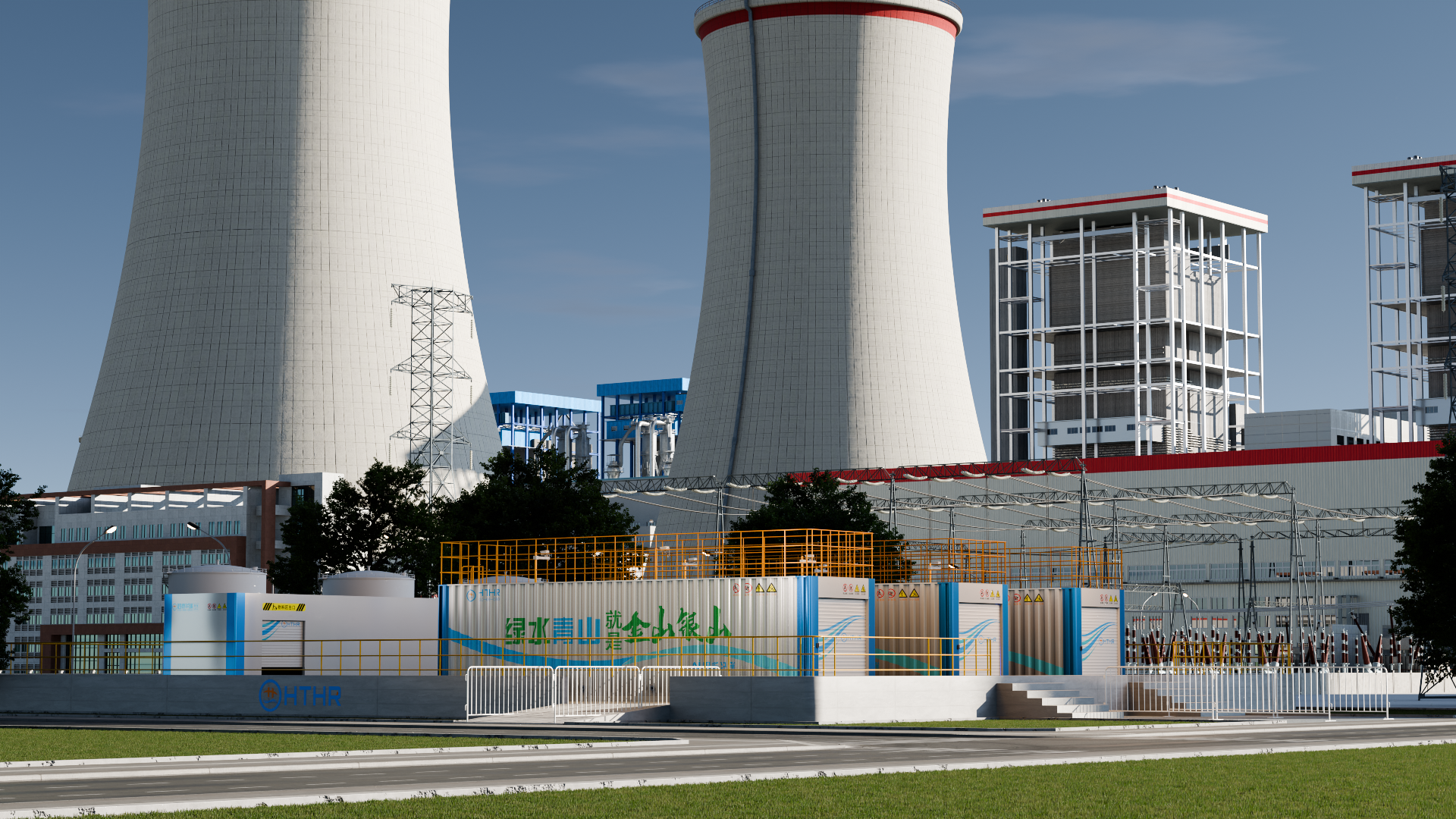
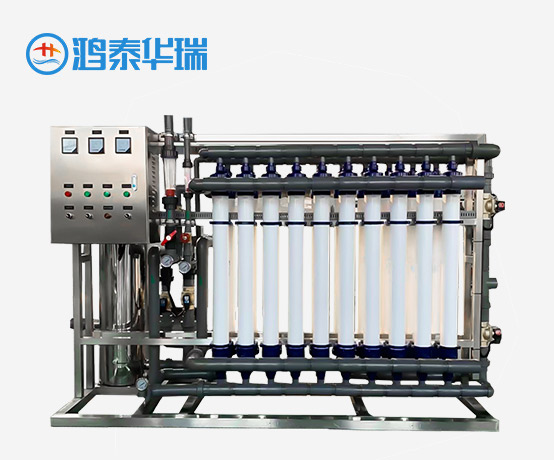
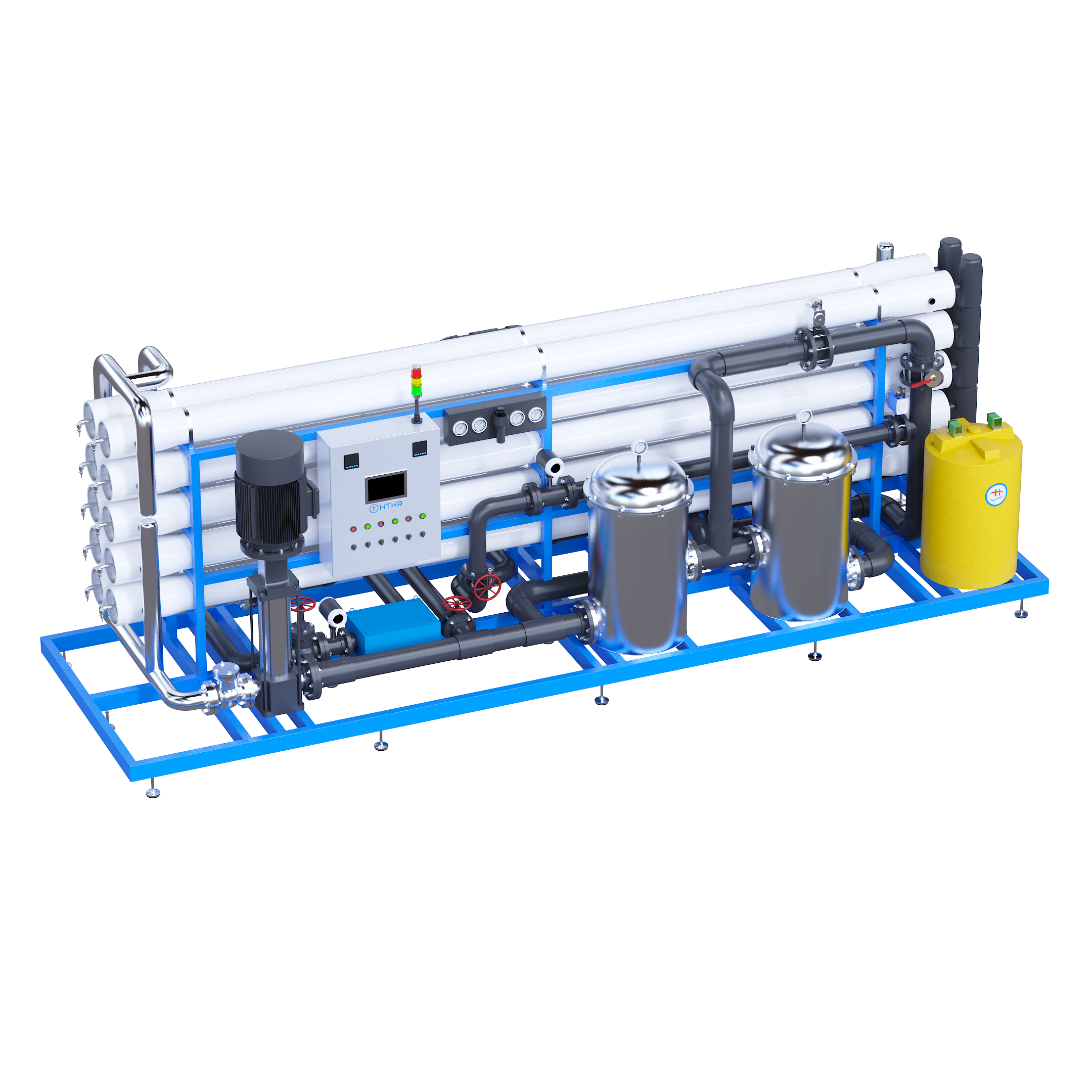
Membrane separation technology is undoubtedly the core driver of reclaimed water reuse, yet its standalone application inevitably results in membrane fouling issues. Currently, the industry favors a multi-stage combination process of ultrafiltration (UF) + nanofiltration (NF) + reverse osmosis (RO). UF membranes intercept suspended solids and microorganisms, NF membranes accurately retain organic matter and divalent ions, and RO membranes achieve a desalination rate of over 99%. The synergy of these three technologies allows treated wastewater to meet the quality standards for industrial reuse. To address membrane fouling, the development of fouling-resistant membrane materials has extended the membrane cleaning cycle from three months to over six months. Meanwhile, AI-enabled intelligent backwashing systems enable real-time parameter monitoring and dynamic operational optimization, further reducing operational losses from membrane fouling.
A typical example is a petrochemical enterprise that raised its wastewater reuse rate from the traditional 50% to over 85% by adopting this combined membrane technology, achieving annual savings of over 5 million yuan in raw water procurement costs. As for high-salinity brine, traditional evaporation and crystallization processes are highly energy-intensive and result in the waste of salt resources. Today, MVR (Mechanical Vapor Recompression) evaporation and crystallization technology can cut energy consumption by over 40% and recover industrial salt with a purity of 99%. A coal chemical industrial park recovers 12,000 tons of industrial salt each year via this technology, cutting annual salt procurement costs by 12 million yuan.
The efficacy of technological implementation is ultimately tested in actual operational practice. Intelligent control systems have transformed reclaimed water reuse systems into an operational "central brain": the Internet of Things (IoT) enables real-time monitoring of influent water quality and equipment operation status, while big data analytics and AI algorithms optimize chemical dosing strategies and operational parameters. This integrated smart system not only cuts the pipeline leakage rate from over 20% to a mere 0.1%, but also reduces chemical consumption by 20% and energy consumption by 15%. An electronics industrial park applied digital twin technology to visualize and trace the entire wastewater treatment process, boosting system stability to 99% and maintaining a stable water reuse rate of over 88%.
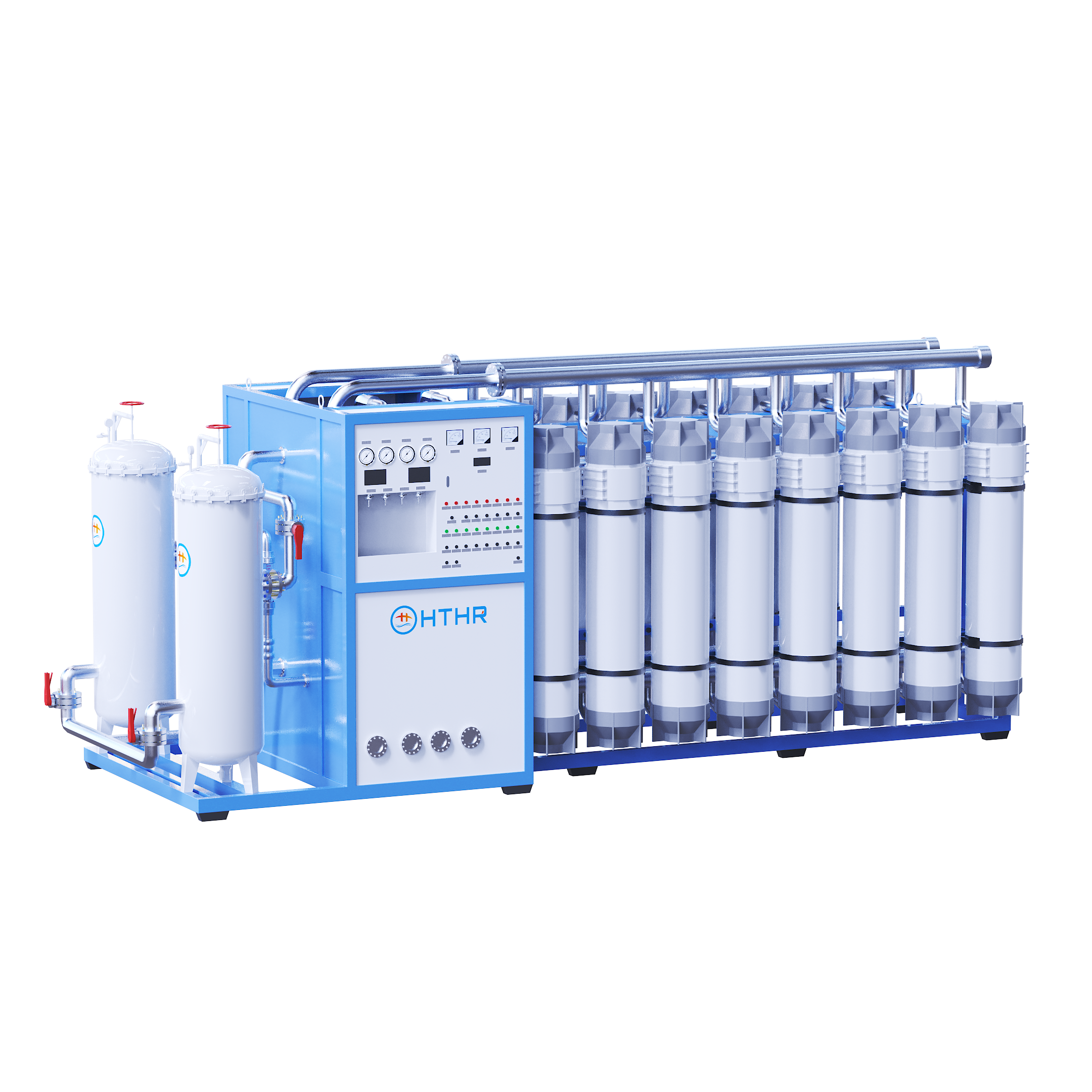
Different industries have distinct wastewater characteristics, thus reclaimed water technology requires customized solutions for each specific industry scenario. Baowu Steel, for example, has adopted a technology system integrating full-process high-efficiency water resource utilization and high-salinity wastewater treatment, achieving a water recycling rate of 98.89%. This has reduced per-ton-steel external water discharge to 0.03 cubic meters and enabled the treatment of 135,000 cubic meters of high-salinity wastewater annually. Hunan Petrochemical has innovatively used caprolactam wastewater to replace raw water in the pulping process, recycling 400,000 tons of wastewater each year and achieving a nearly 40 million yuan reduction in annual wastewater treatment costs.
Kangqiang Electronics has adopted a technical solution combining classified collection + membrane treatment + on-line reuse, achieving a wastewater reuse rate of over 75% and reusing more than 1 million tons of wastewater per year. The textile industry, on the other hand, adopts genetically engineered laccase technology, achieving a decolorization rate of over 90% for dyeing wastewater and cutting the consumption of chemical additives by 70%. These cases prove that reclaimed water technology is not a one-size-fits-all solution, but a customized one tailored to the unique needs of each industry.
For enterprises, the value of zero wastewater discharge far exceeds mere environmental compliance. Economically, for an enterprise with a daily wastewater discharge of 2,000 tons, the annual water saving can exceed 5 million yuan. Moreover, the recovery of resources such as precious metals and industrial salt can offset 15% to 30% of the wastewater treatment system's operating costs. Ecologically, if the zero discharge adoption rate in key industries hits 60% by 2025, it will cut COD emissions by 1.2 million tons, carbon emissions by 8 million tons, and save 3 billion cubic meters of fresh water annually—equivalent to the total water storage of three West Lakes.
More importantly, the popularization of reclaimed water technology is fostering a trillion-yuan environmental protection industry market, driving the development of technological R&D, equipment manufacturing and environmental service sectors, and boosting green employment. This environmental and economic win-win model lies at the heart of industrial green transformation and upgrading.
Looking ahead, the development direction of industrial reclaimed water reuse and zero discharge is becoming increasingly clear: low-energy-consumption membrane materials, bioelectrochemical technologies, AI-driven digital twin technology and other cutting-edge technologies will be integrated at an accelerated pace, upgrading the systems from a focus on stable operation to efficient value creation. On the policy front, mechanisms such as financial subsidies, tax incentives and carbon trading will further reduce the transformation costs for enterprises. Collaborative innovation under the Government-Industry-University-Research-Application model will drive breakthroughs in core technologies and their large-scale industrial application.
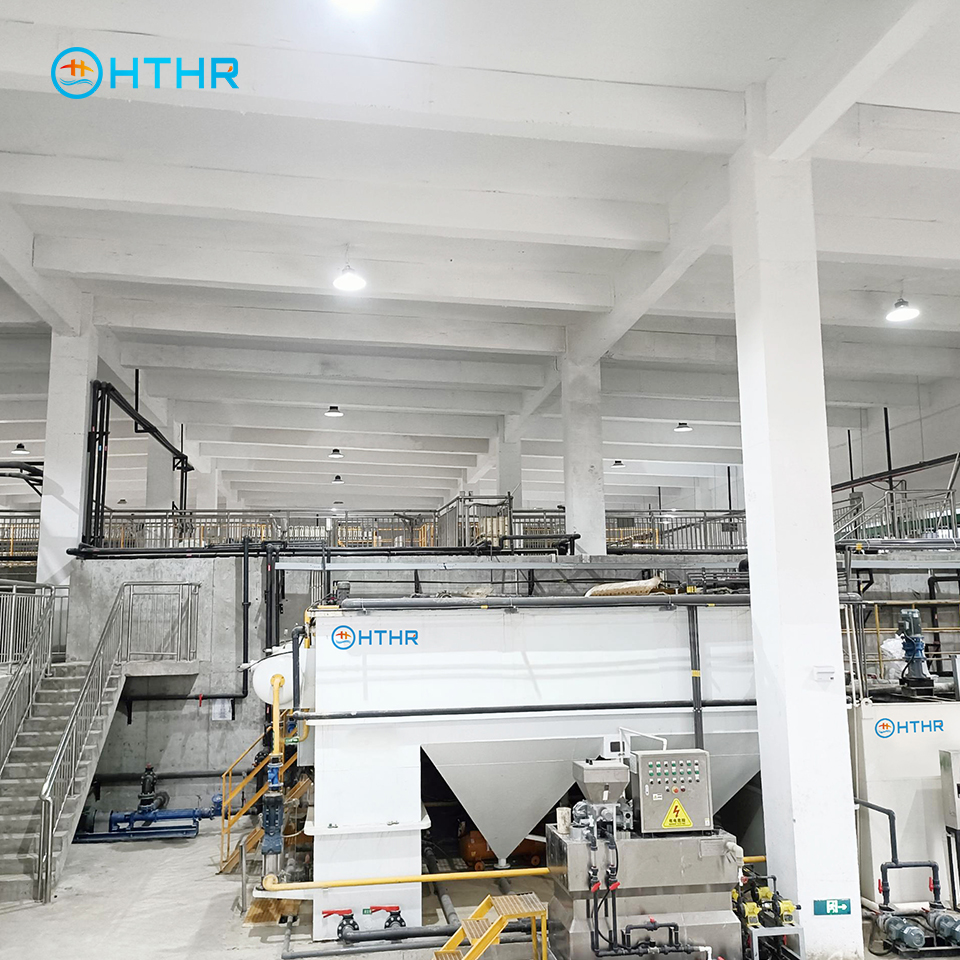
Ultimately, industrial wastewater zero discharge is never a matter of a single technology acting alone, but a systematic engineering project driven by the synergy of technology, policy and the market. The core value of reclaimed water technology lies in its ability to transform what were once wastewater burdens into resource assets for enterprises, thus enabling the harmonious coexistence of industrial development and ecological protection.
If your enterprise is grappling with industrial wastewater treatment challenges and is in urgent need of a customized reclaimed water reuse and zero discharge solution, we are ready to provide professional support. Leveraging our core technical advantages and extensive industry experience, we offer one-stop full-chain support covering technical consultation, solution design, equipment integration and operational services—helping your enterprise achieve the dual goals of environmental compliance and cost reduction, and embark on a new journey of green development.


 hthrjt2017@gmail.com