How AI Reshaps Industrial Wastewater Treatment: From Automation to Intelligence
- release date: 2026-02-04 15:23:42
- author: Hongtai Huairui
- Reading: 1121
- key words: AI-powered wastewater treatment、Artificial intelligence wastewater treatment、Intelligent wastewater treatment、Automated wastewater treatment、AI wastewater treatment、
"Previously, industrial wastewater treatment relied on manual experience to explore parameters, and any fluctuation in water quality could lead to the risk of exceeding standard limits; now, AI systems autonomously predict and precisely adjust 24/7, not only stabilizing the compliance rate but also significantly reducing costs and carbon emissions." This is the direct experience of an environmental protection director and a common reflection of the global industrial wastewater treatment industry's shift towards intelligence. From the technological leadership of developed countries in Europe and the U.S. to the rapid catch-up in the Asia-Pacific region, AI is breaking down regional and industry barriers, driving global industrial wastewater treatment from "passively meeting standards" to "actively optimizing." A global water intelligence revolution has fully unfolded.
The synchronized strengthening of global environmental policies has become the core driving force for AI empowerment in industrial wastewater treatment. At the international level, in February 2025, the European Committee for Standardization (CEN), in collaboration with the European Committee for Electrotechnical Standardization (CLC), will release the CEN/CLC/TR 18145:2025 technical report "Artificial Intelligence for Environmental Sustainability," providing standardized guidelines for EU industrial enterprises to apply AI in water management technologies. The AI-based environmental monitoring and optimization content can serve as a technical reference for environmental compliance. The U.S. Environmental Protection Agency's (EPA) "Smart Water Action Plan" aims to promote the digital transformation of water systems, encouraging companies to adopt AI and other intelligent technologies to enhance wastewater recycling. Its benchmark cases provide practical reference for the industry.
Domestic policies are also closely aligned with global trends. In 2025, several regions will issue guidelines for building smart wastewater plants, making AI's predictive and early warning capabilities a core requirement for advanced intelligence (Level 3). Policies from the Ministry of Housing and Urban-Rural Development also emphasize promoting smart water management systems and strengthening AI's application in water quality monitoring and process optimization. Additionally, the "Industrial Wastewater Recycling Implementation Plan," released in 2025 by the Ministry of Industry and Information Technology and other departments, explicitly states the need to increase industrial water reuse rates, with AI technologies serving as the key support for efficient water resource recycling. The coordinated efforts of multiple countries' policies are accelerating the global adoption of AI from research and development to industry implementation.

Under the drive of policies, the global AI+ industrial wastewater treatment market is experiencing explosive growth, with its application value continuing to stand out. Authoritative data shows that by 2025, the global AI+ water treatment solution market will exceed 8 billion USD, with a compound annual growth rate of 28%, far outpacing the overall industry growth rate. In the subfields, AI wastewater plant aeration optimization algorithms are widely applied globally, and the related market is showing a rapid growth trend. In Europe and the United States, AI water management systems are mature, with penetration rates at a global-leading level, while the Asia-Pacific region follows closely behind. Emerging markets like China and India see an annual increase of over 5 percentage points in penetration rates. In terms of actual effectiveness, the global deployment of AI technology can achieve an average energy saving of 15%-25%, a reduction in chemical consumption of about 18%, and a 15% reduction in operation and maintenance costs. International benchmark projects show significant improvement in effluent compliance rates, a substantial reduction in operation and maintenance labor costs, and fully prove the universal value of the technology.
From a regional perspective, various regions around the world have leveraged AI technology to form differentiated transformation paths based on local industry pain points. In Europe and the United States, with technological accumulation, the focus is on high-end and full-process intelligent layouts. For example, Germany's BASF Group deployed an AI intelligent water management system at its Ludwigshafen plant, which integrates multidimensional data such as water quality, weather, and production schedules, enabling a 72-hour advance prediction of wastewater composition fluctuations. This has led to a 22% improvement in the efficiency of halogenated organic compound treatment and a 19% reduction in operating costs per ton of water. In the United States, Dow Chemical employs AI and digital twin technology to achieve coordinated optimization of wastewater treatment and waste heat recovery, reducing carbon emissions by over 3,000 tons annually and being selected as an EPA "Smart Water Benchmark Case."
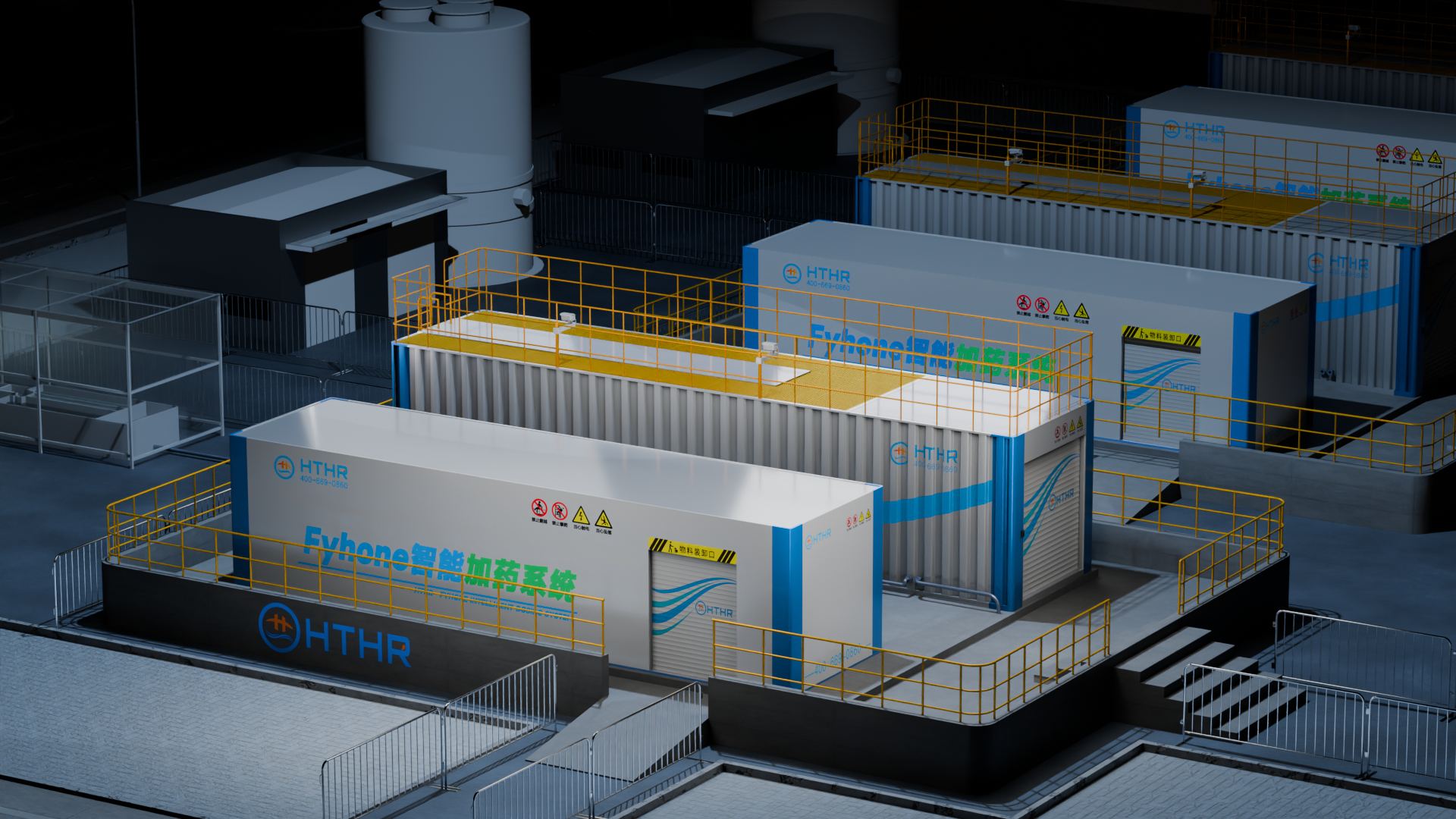
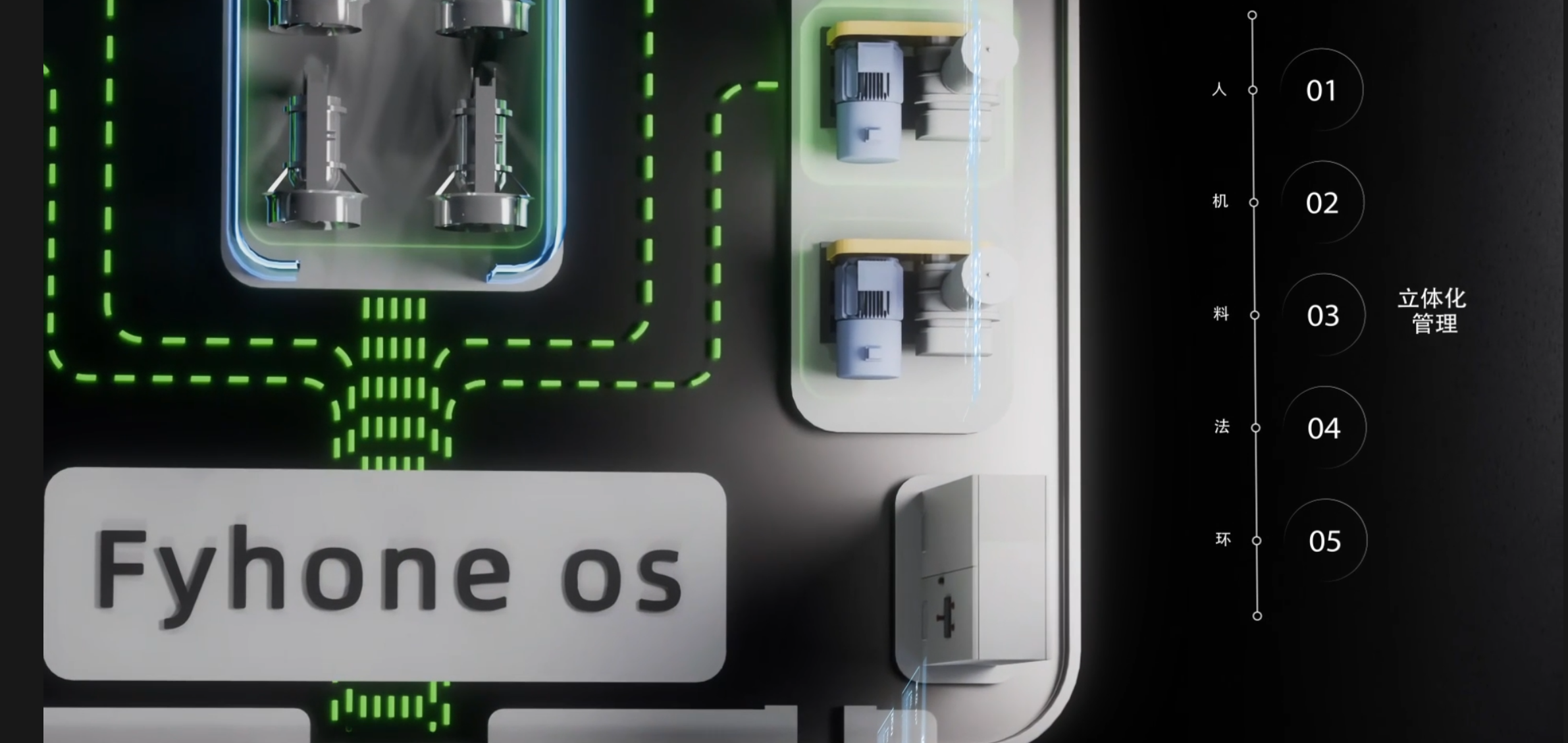
The Asia-Pacific region, as an emerging growth engine, drives rapid technological iteration through large-scale applications. For example, the AI dynamic control system at Sinopec's Zhenhai Refining & Chemical increases phenolic wastewater treatment efficiency by 20%, and the technical solution has been exported to several chemical parks in Southeast Asia. Jin Ke Environmental's "Water Radish AI Intelligent Body," with its generalized reasoning ability, has been implemented in more than 20 countries and regions globally, providing unmanned water treatment solutions for industries such as photovoltaics and semiconductors. The reclaimed water reuse rate in projects like Wuxi Longting and Anzhen reaches 92%, with technical indicators meeting international leading levels. Tata Steel in India introduced an AI aeration optimization system, solving high-salt and high-COD challenges in steel wastewater, improving water reuse rates from 88% to 93%, and saving over 12 million USD in water costs annually. Domestic companies are also continuing to make strides, such as Hongtai Huari Technology Group's "FyhoneOS" which, with its precise water quality prediction and intelligent control capabilities, has been implemented in wastewater treatment projects in industries like chemicals and metallurgy, significantly improving treatment efficiency and resource utilization, becoming a typical example of domestic AI water management technology.
In terms of industry adaptation, AI technology has achieved deep penetration across multiple mainstream global industrial sectors, solving both the common and personalized pain points in various industries. The chemical industry, as a typical representative of high pollution and high fluctuating wastewater globally, widely applies AI dynamic parameter adjustment technology: in addition to giants like BASF and Dow, companies such as South Chemical in China and LG Chem in Korea have implemented "AI+Aeration" projects, achieving over 17% optimization in fan airflow. Among them, South Chemical’s project saved over 150,000 RMB in chemical costs annually, with stable and continuous operational results. In the pharmaceutical industry, Roche in Switzerland uses AI systems to dynamically adjust the dosage of Fenton reagents, increasing antibiotic degradation from 65% to 99.2%, meeting the world’s strictest emission limits. In the electronics sector, Toshiba Semiconductor’s AI reverse osmosis control system has increased water recovery rates to 92%, reducing membrane cleaning frequency by 30%, ensuring stable ultra-pure water for chip manufacturing.
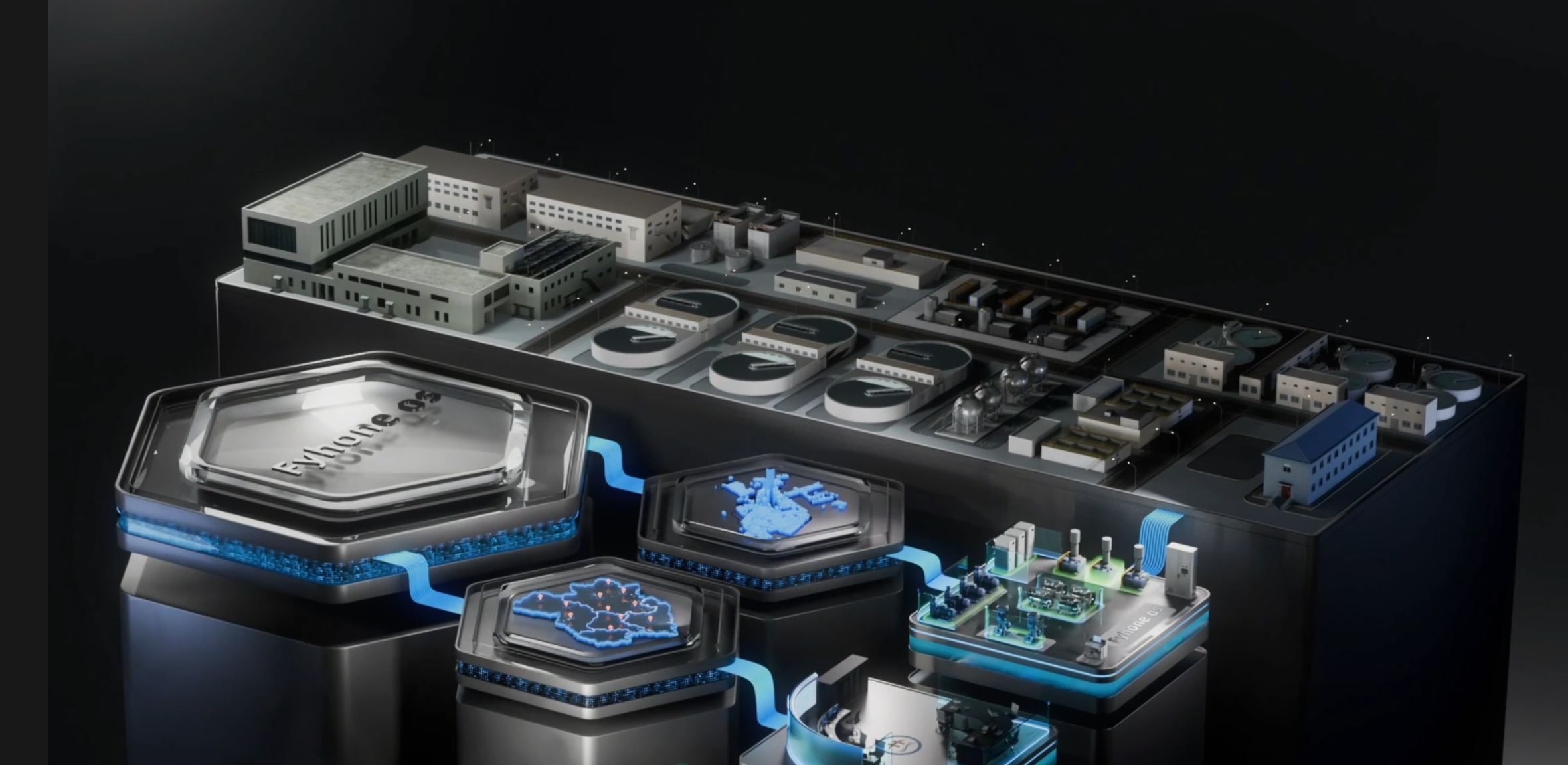
Currently, AI+industrial wastewater treatment is moving from single-step optimization towards a new stage of technology integration and resource collaboration. The deep integration of digital twins, edge computing, water big models, and AI has become the core focus of global technological competition. The AIWaterSystem artificial intelligence water system used by Hefei Qingxi Water Treatment Plant has an accuracy rate of over 90% in predicting water quality indicators. The technology has been exported to countries like Singapore and Malaysia, becoming a typical example of “Made in China” going global. The Changsha new wastewater treatment plant, through "AI+Big Data+Digital Twin" upgrades, has increased its treatment capacity by 90%, saving 70% in investment, and its technical solution has been included in industry typical demonstration cases.
From a global investment perspective, the cost-performance ratio of AI water treatment transformations continues to rise, making it a must-have option for enterprises undergoing green transformation. The return on investment for AI water treatment projects is shorter than traditional projects, with resource recovery scenarios such as chemical high-salinity wastewater and electronic ultra-pure water having even shorter payback periods, which vary based on the project. Beijing Enterprises Water Group has used AI to reduce costs by 1-1.2 billion RMB annually, and its overseas projects’ annual investment return rate has increased by 4 percentage points. Veolia Group promotes AI smart water solutions worldwide, generating over 1.5 billion euros in new annual revenue, maintaining a leading global market share. These cases show that AI investment has shifted from "technology trial" to a strategic investment for global companies.

Despite global challenges such as non-uniform data standards, difficulties in cross-regional data sharing, and high technology implementation costs in some developing countries, these barriers are gradually being overcome with breakthroughs in technologies like federated learning and explainable AI, as well as deeper international technical exchange and cooperation. The United Nations Environment Programme has launched a “Global AI Technology Sharing Platform for Water,” promoting the low-cost application of advanced algorithms and models in developing countries. Bilateral technical cooperation mechanisms, such as those between China and the U.S., and China and Europe, have accelerated the global collaborative innovation of AI water technologies.

In the future, global industrial wastewater treatment will fully transform into “zero-carbon water management” and “resource factories” under the drive of AI technology. AI will make a leap from "aiding decision-making" to "autonomous decision-making across the entire process," integrating technologies like photovoltaic green electricity and multi-resource collaborative recycling, driving the water industry’s upgrade from pollution control to resource recycling. From the strategic layouts of global giants like Veolia and BASF to large-scale transformations by small and medium-sized enterprises, a global water management revolution centered around AI is now irreversible. For industrial enterprises in various countries, embracing AI technology is not only an inevitable requirement to comply with global environmental regulations but also a core competitive edge in occupying the green low-carbon track and achieving sustainable development.


 hthrjt2017@gmail.com