Under the guidance of the “dual-carbon” goals and the policy backdrop of synergistic pollution reduction and carbon reduction in the wastewater treatment industry, the operation and management of municipal wastewater treatment plants face new opportunities and challenges. Industry statistics show that electricity consumption typically accounts for 25% to 40% of total operating costs in municipal wastewater treatment plants; in some older plants with outdated processes, this can even reach 50%. Chemical costs account for approximately 10% to 30%. Together, these two costs generally exceed 60%, making them the key factors affecting the economic performance of wastewater treatment plants.
As policies like the Guiding Opinions on Promoting Synergistic Pollution Reduction and Carbon Reduction in Wastewater Treatment are implemented, discharge standards are becoming stricter, and the demand for refined operation and management is rising significantly. The challenge now is how to systematically unlock energy-saving and consumption-reduction potential while ensuring stable effluent quality, thus achieving both cost reduction and efficiency improvement.
Based on long-term operational practices of mainstream municipal wastewater treatment processes—such as the anaerobic–anoxic–oxic activated sludge process (A²/O), sequencing batch reactor (SBR), and membrane bioreactor (MBR)—this paper summarizes practical optimization measures in the areas of process parameter optimization, refined chemical dosing management, and equipment operation control, providing actionable insights for cost reduction and efficiency improvement in wastewater treatment plants.
I. Optimize Process Parameter Configuration to Reduce Core Aeration Energy Consumption
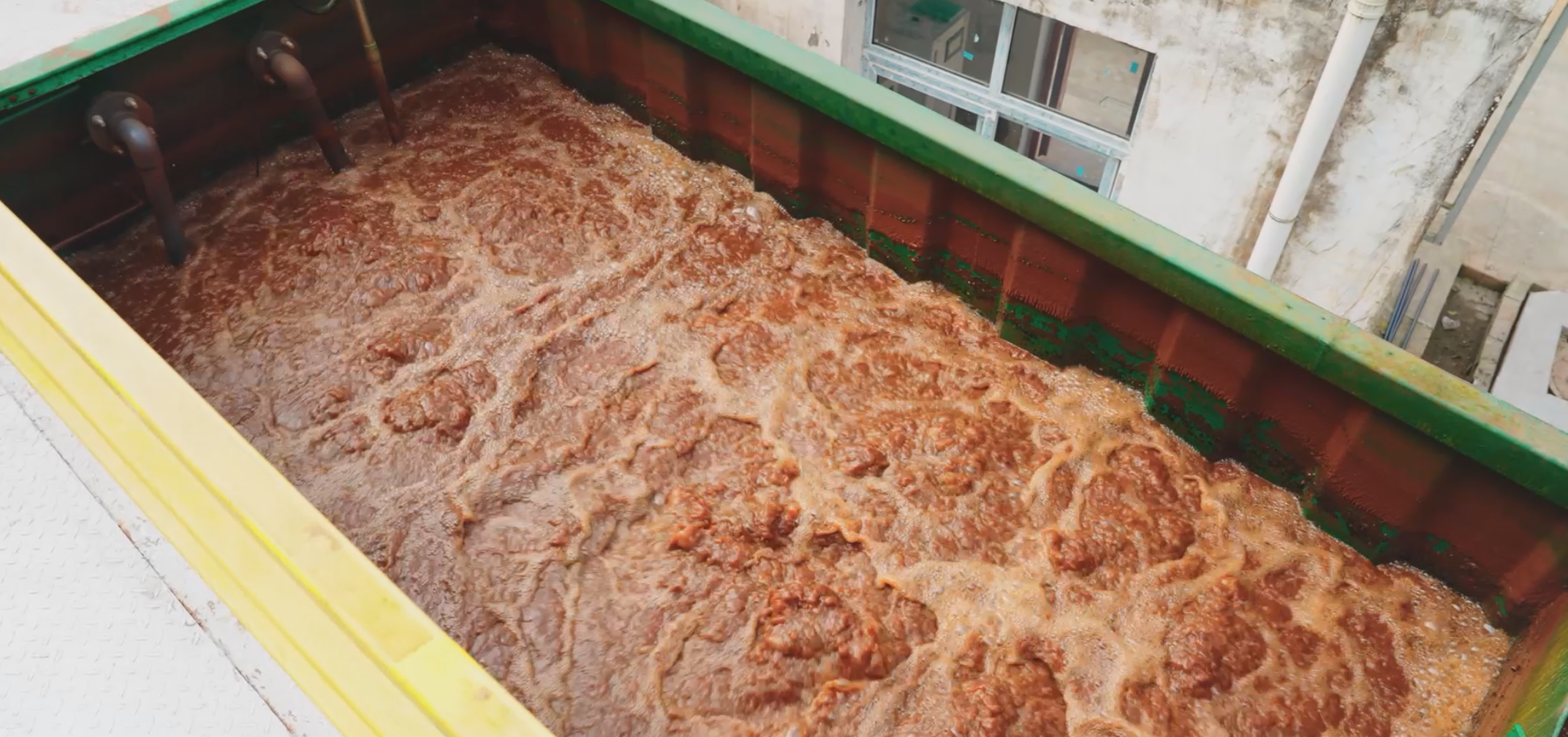
The aeration system is the highest energy-consuming unit in municipal wastewater treatment plants, typically accounting for more than 40% of total plant power consumption. Under high-load conditions, this proportion can increase even further. Traditional operating modes often use fixed air volumes and periods, which do not adapt well to dynamic changes in influent flow and organic load. This leads to over-aeration or insufficient aeration. Over-aeration wastes energy and may inhibit denitrification reactions, while insufficient aeration reduces biochemical treatment efficiency and affects effluent water quality stability.
Optimizing operations requires a data-driven, precise aeration control strategy. By monitoring key indicators like dissolved oxygen and ammonia nitrogen in real-time and adjusting blower operations based on influent load, air supply can be dynamically adjusted. In practice, dissolved oxygen levels in each reaction zone should be controlled based on the functional needs of each process section.
II.Implement Refined Chemical Dosing Management to Strictly Control Chemical Usage Costs
Chemical costs are a significant part of operational expenses in wastewater treatment plants, primarily for phosphorus removal, coagulation and sedimentation, and sludge dewatering. Relying on manual dosing can make it difficult to respond quickly to changes in influent water quality and treatment load, often leading to over-dosing. This increases costs and can result in problems such as excess sludge production and fluctuations in biological system loads.
Refined chemical dosing management focuses on aligning chemical dosage with water quality, flow rate, and operational conditions. By continuously monitoring key parameters like influent suspended solids and total phosphorus, a scientific dosing control strategy can be developed. This allows for dynamic adjustments based on operational conditions (e.g., seasonal changes or load fluctuations), preventing ineffective dosing and improving chemical efficiency. Additionally, optimizing the selection of chemicals further reduces costs while ensuring treatment effectiveness.
Implementation Results:
Under stable operating conditions, refined chemical dosing management can reduce chemical consumption by 10% to 30%, effectively easing chemical cost pressures.
III.Optimize Equipment Operation Logic to Reduce Hidden Electricity Waste
Wastewater treatment plants contain various types of equipment with long operational lifespans. In practice, hidden electricity waste often occurs, such as standby equipment remaining powered on for extended periods, equipment running at full load during low-load periods, and unreasonable pump startup/shutdown logic causing frequent cycling. While these issues may seem minor individually, they significantly affect overall plant energy consumption over time.
Optimization should take a system-wide approach. Equipment should be thoroughly inspected to shut down unnecessary standby units, and actual operational requirements should be met through variable frequency adjustments during low-load periods. The equipment control logic should also be optimized, ensuring that the number of units in operation is appropriately adjusted based on influent flow to maintain efficient operation. Routine maintenance should be conducted to minimize mechanical wear and resistance, ensuring sustained equipment efficiency and extending lifespan.
Implementation Results:
Through optimizing equipment operation logic and standardizing maintenance, electricity consumption can typically be reduced by 5% to 15%, while equipment failure rates and unplanned downtime are significantly decreased.
III.Strengthen Data Analysis Applications to Enhance Operational Decision-Making Efficiency
Traditional wastewater treatment operations rely heavily on manual inspections and experiential judgments, leading to delayed identification of abnormal conditions and decisions based on trial-and-error. When water quality or load fluctuates, multiple adjustments to process parameters are often needed to verify effects, which can increase energy consumption and chemical usage, raising operational costs.
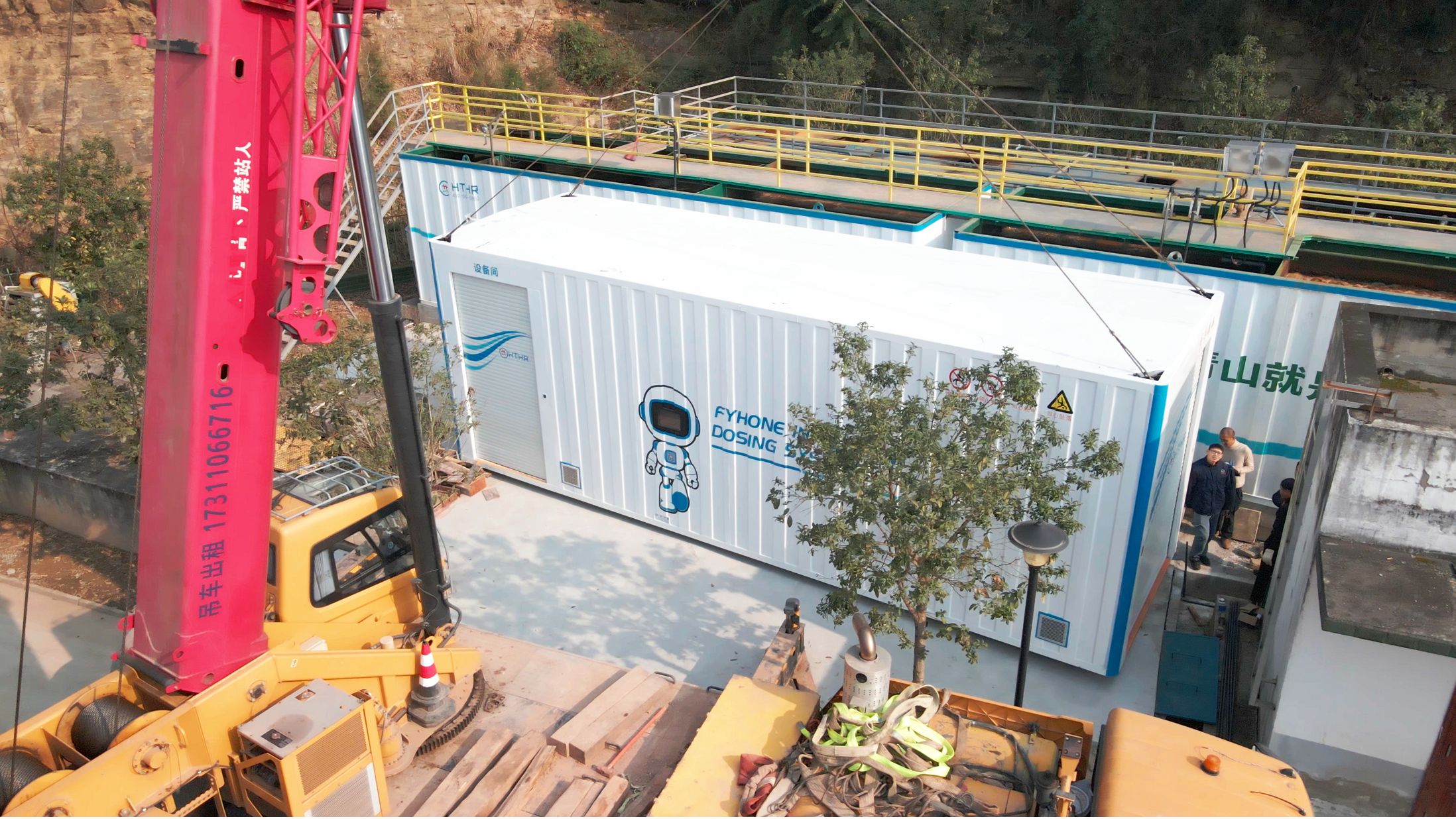
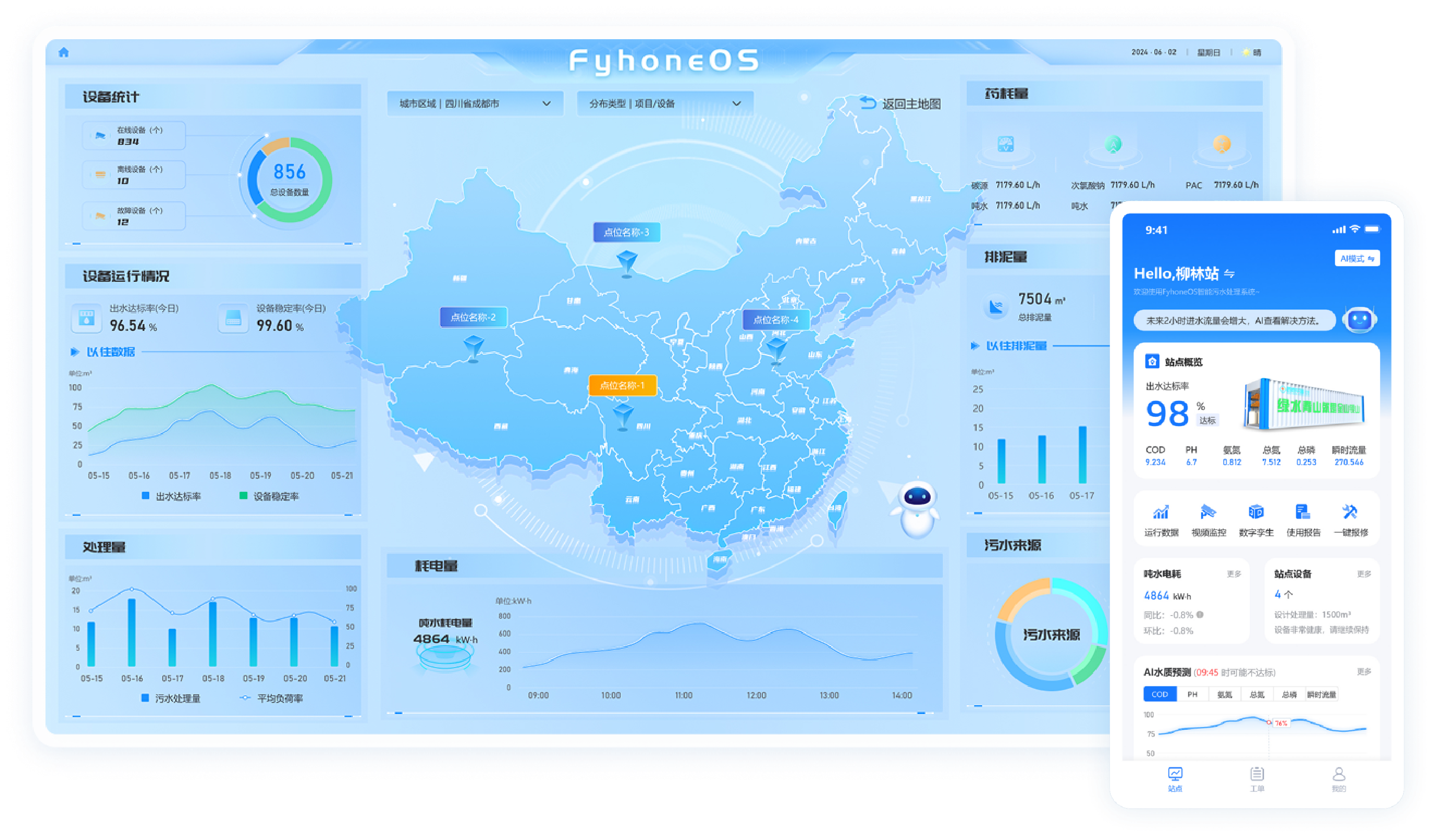
Building a data-driven management system improves decision-making by providing real-time monitoring and analysis of key data such as influent water quality, process parameters, energy consumption, and chemical usage. Historical data can be analyzed to detect trends and correlations, enabling early identification of abnormal conditions, offering early warnings, and providing precise diagnostics for decision-making.
An optimal range of operating parameters for different seasons and load conditions can be developed, reducing the costs associated with trial-and-error and enhancing system stability and operational efficiency.
Implementation Results:
Data-driven management practices show that response efficiency to abnormal conditions can be significantly improved, reducing trial-and-error costs by 30% to 40%, while effluent water quality stability is simultaneously enhanced.
V.Promote Systematic Collaborative Operation for Comprehensive Cost Reduction and Efficiency Improvement
Partial optimization of individual equipment or processes is often insufficient to reduce overall operational costs significantly. Sometimes, mismatched parameter adjustments may cause system imbalances. Therefore, cost reduction and efficiency improvement should be approached from a system-wide perspective, coordinating all operational steps.
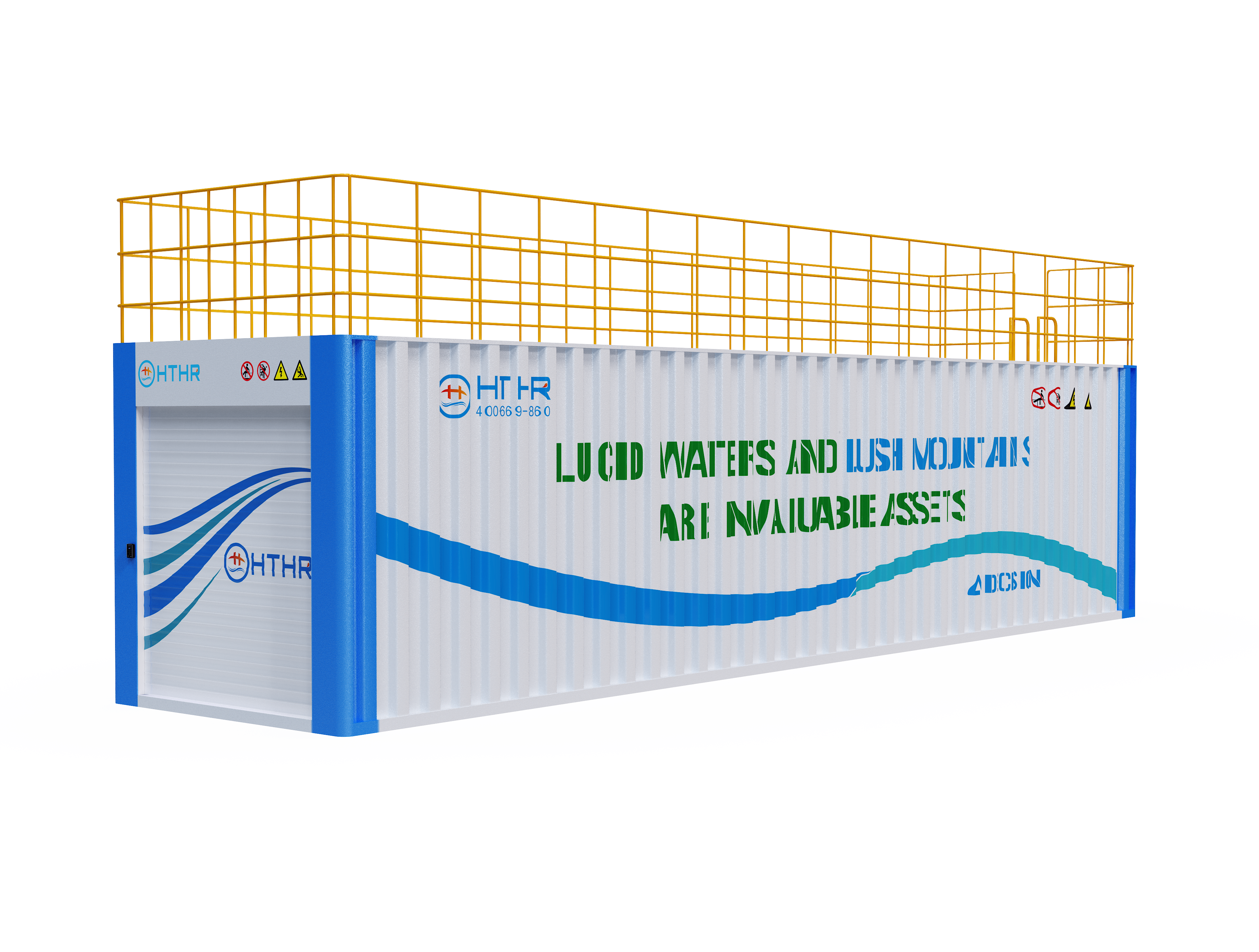
The key to collaborative system operation is creating an interlinked operation and control model, integrating units like aeration, chemical dosing, sludge return, and pumping into unified control logic. By dynamically balancing operating parameters with influent load and effluent targets, optimal energy and chemical consumption can be achieved without compromising treatment efficiency. Reducing frequent manual interventions and promoting standardized management can further improve overall operational efficiency.
Implementation Results:
After implementing system collaborative optimization, municipal wastewater treatment plants can reduce operational costs by 15% to 30%, while improving operational stability and management efficiency.
Conclusion
Reducing electricity and chemical costs in wastewater treatment plants requires a continuous, system-wide optimization approach. Through process optimization, data-driven decision-making, and system integration, energy-saving and cost-reduction potentials can be maximized, leading to both stable effluent quality and improved economic efficiency. As the industry adopts more digital and intelligent technologies, wastewater treatment management will become more refined, efficient, and low-carbon, supporting the achievement of the "dual carbon" goals.


 hthrjt2017@gmail.com