Indonesia Sewage Treatment Policy 2026: Integrated Equipment and RO Ultrafiltration Market Opportunities Analysis
- release date: 2026-02-28 09:02:00
- author: Hongtai Huairui
- Reading: 955
- key words: Indonesian Sewage Treatment Policies、Integrated Sewage Treatment Equipment、rket Opportunities for RO and Ultrafiltration、Market Opportunities for Integrated Sewage Treatment Equipment
In 2026, Indonesia's environmental policies are undergoing unprecedented changes. President Prabowo explicitly stated at the Indonesia Economic Outlook 2026 event that the "ASRI" movement (Safe, Healthy, Clean, Beautiful) will be implemented nationwide, emphasizing that "the improvement of national environmental sanitation must be completed in the shortest time possible." This policy signals clear market opportunities, especially in the sewage treatment sector.
Indonesia, a country made up of more than 17,000 islands, has a unique geographical environment where traditional centralized sewage treatment systems struggle to cover remote areas. According to data from the Asian Development Bank, only 18% of Indonesia's population has access to safe sewage treatment facilities. In core cities like Jakarta and Bandung, the sewage treatment rate is less than 40%, and smaller cities and rural areas are nearly blank in terms of sewage treatment coverage. World Bank data shows that about 60% of domestic sewage and 70% of industrial sewage are discharged untreated every year, polluting key waterways like the Citarum River and Bali’s coastal areas, and threatening the drinking water safety for nearly half of the population. This "high pollution, low treatment" situation means there is a demand for facility construction and renovation worth over 100 billion RMB.
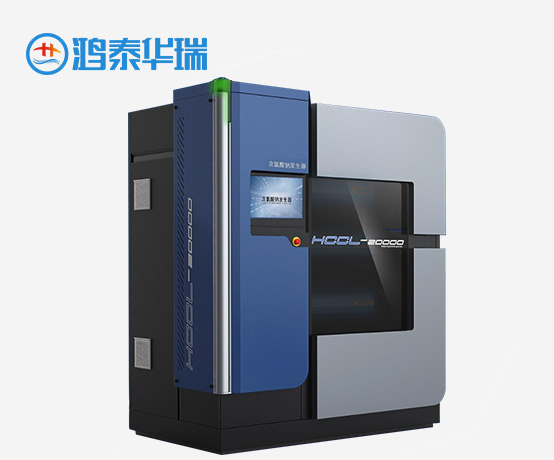
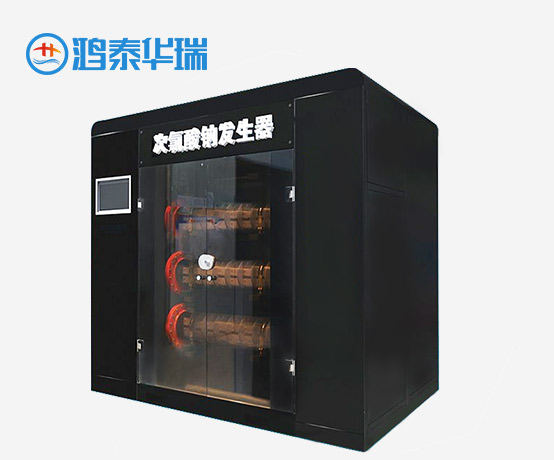
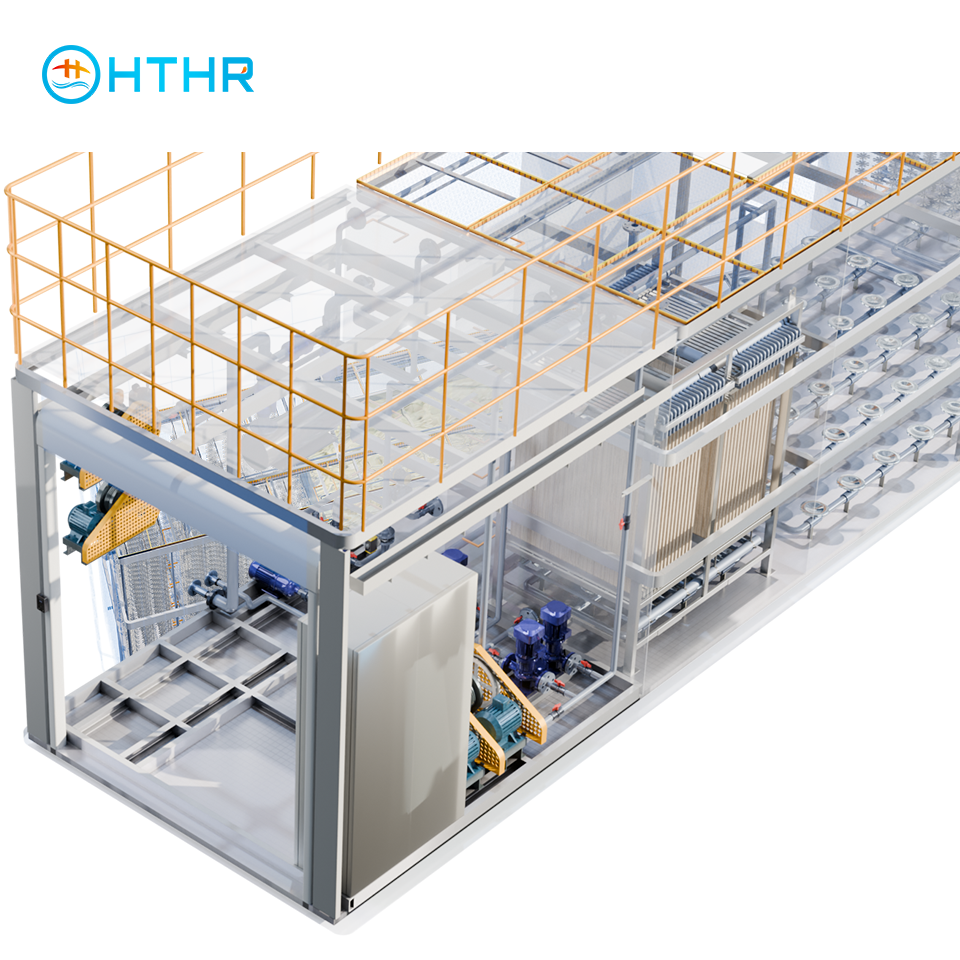
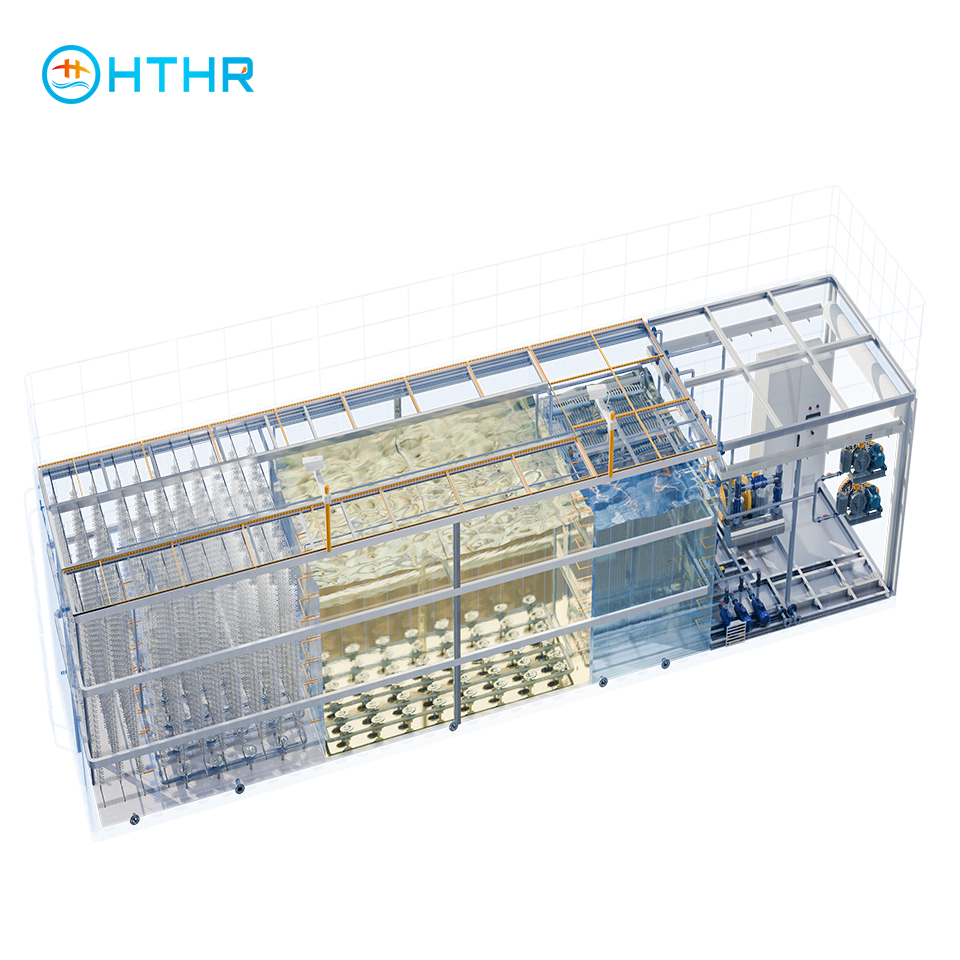
In tourist destinations like Bali and Lombok, integrated sewage treatment equipment has been widely applied. These devices are usually designed for underground installation, occupying only one-third of the area of traditional treatment stations, making them ideal for constrained spaces like scenic areas and villages. Additionally, integrated devices combine pre-treatment, biological treatment, and deep treatment units, with the output water quality meeting Indonesia’s "Industrial Wastewater Discharge Standards" (COD ≤ 100mg/L), making it suitable for direct discharge or reuse.
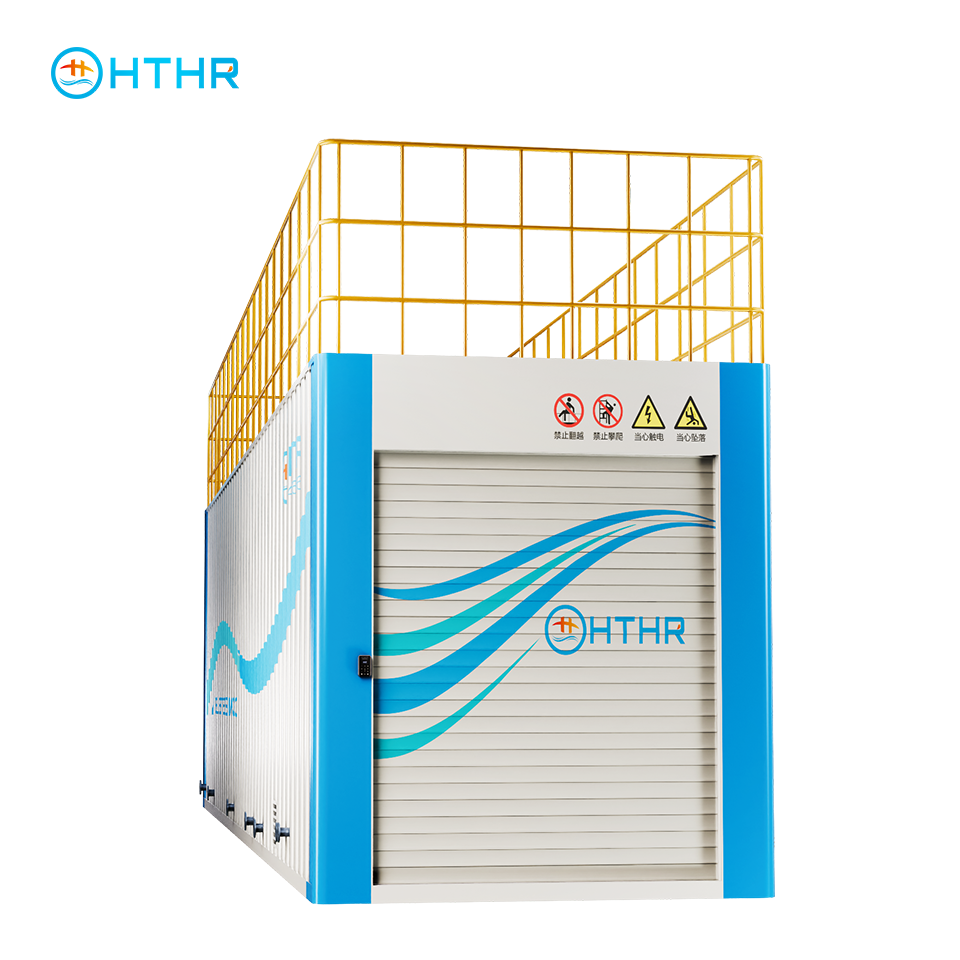
For small and medium-sized enterprises (SMEs) in Indonesia, the advantages of integrated sewage treatment devices are even more apparent. Traditional sewage treatment systems are costly and time-consuming, while integrated equipment can be customized based on actual needs, offering models with daily processing capacities ranging from 50 to 1000 cubic meters. This caters to the small-scale needs of rural areas and micro-enterprises, as well as large-scale processing for industrial parks and municipal network failures. Moreover, integrated devices are made from moisture-resistant and corrosion-resistant materials, suitable for Indonesia’s high temperature and humidity climate, with operational failure rates far below the industry average.
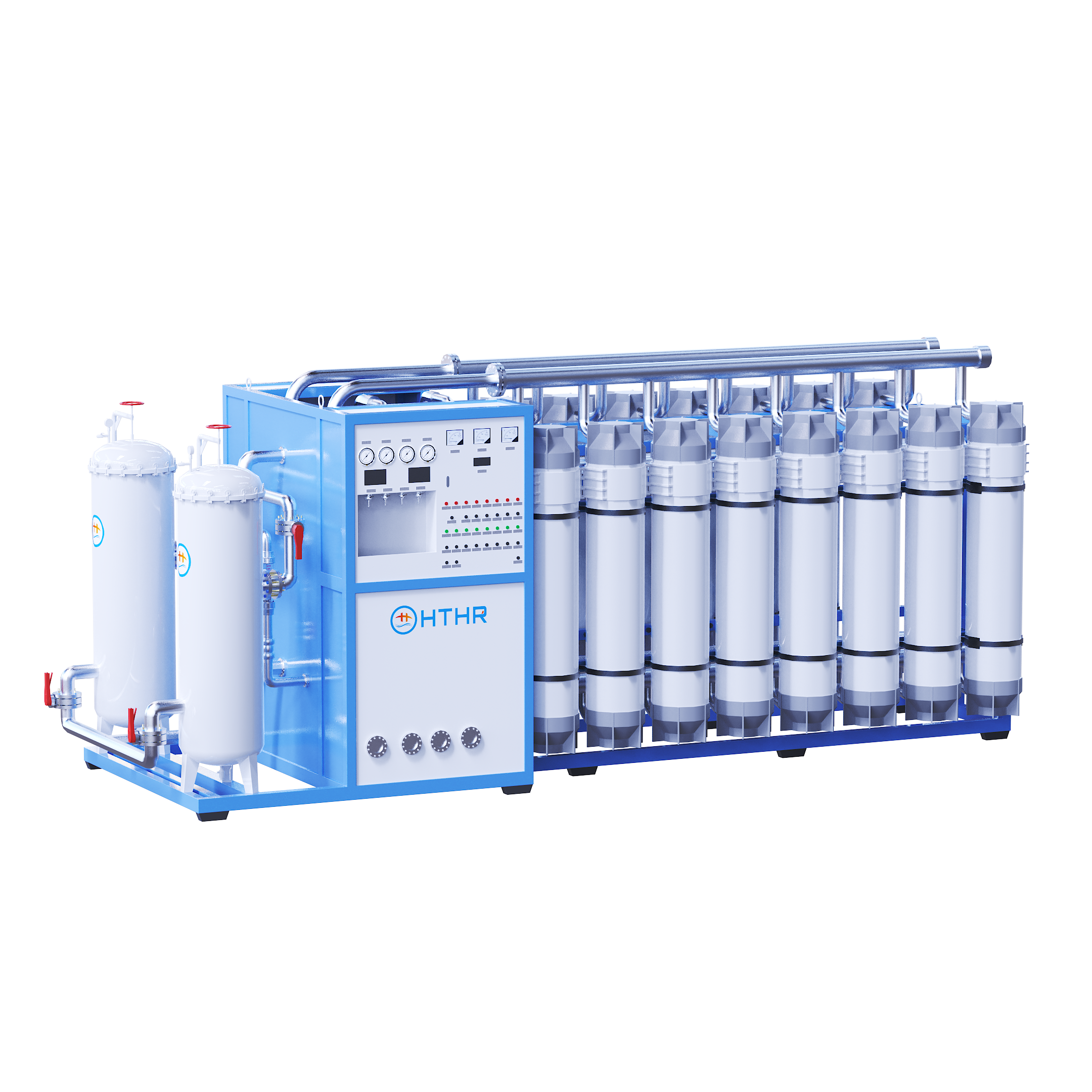
As Indonesia’s economy grows rapidly, the demand for industrial water and high-quality drinking water is increasing. RO ultrafiltration equipment, a high-efficiency water treatment technology, can effectively remove suspended solids, colloids, bacteria, viruses, and other impurities from water, producing high-quality purified water.
In industries like food and beverage and electronics manufacturing in Indonesia, RO ultrafiltration devices have become essential in the production process. For example, a large food processing plant in Indonesia uses the "UF+RO" double-membrane process to deeply treat production water, ensuring the products meet international food safety standards. In major cities like Jakarta and Surabaya, an increasing number of high-end residences and commercial complexes are adopting RO ultrafiltration equipment to provide high-quality drinking water to residents and businesses.
For Chinese water treatment equipment companies, the Indonesian market offers opportunities, but also presents challenges. The Indonesian government has introduced policies such as tax reductions, PPP model support, and long-term operational subsidies, incorporating sewage treatment into local government assessment indicators. Companies should actively participate in government PPP projects and public welfare environmental protection initiatives, leveraging policy subsidies and tax incentives to reduce market expansion risks.
In response to Indonesia’s tropical and humid climate, companies should optimize the equipment’s corrosion resistance and weatherproof performance. Taking advantage of the country’s low labor costs, they should simplify equipment operation and maintenance processes to reduce long-term usage costs. Additionally, companies should establish multilingual service teams to provide communication in English, Indonesian, and other languages to solve cross-cultural communication issues.
The Indonesian market features both "urgent demand" and "fragmented scenarios," so companies should provide full-scenario adaptation solutions, ranging from emergency responses to regular use. For example, during peak tourist seasons, factory equipment failures, or seasonal floods, they should implement a 24-hour response and install temporary treatment systems within 72 hours.
Leveraging a "sea transport + land transport" combined transportation system, companies can achieve nationwide product distribution in Indonesia, paired with full-link services such as on-site surveys, installation, and debugging, solving the core problem of "getting equipment into remote areas and ensuring it works well." At the same time, companies should set up offices in core cities like Jakarta and Surabaya, with local technicians and customer service personnel to provide timely after-sales service.
The Indonesian water treatment market is in a golden period of rapid development, driven by both policy benefits and market demand, offering Chinese water treatment equipment companies vast growth potential. Integrated sewage treatment equipment and RO ultrafiltration devices, as two core water treatment technologies, will play a significant role in the Indonesian market. Companies should seize the opportunity, deeply understand local market needs, provide localized and scenario-based solutions, and work with the Indonesian government and enterprises to promote the development of Indonesia’s environmental protection efforts.


 hthrjt2017@gmail.com