1. Core challenges faced by township sewage treatment
The construction of sewage treatment infrastructure in rural areas in my country has long faced the dilemma of "being affordable but not well managed." With the continuous improvement of rural living environment standards, the construction scale of decentralized small sewage treatment stations continues to expand, but the operational compliance rate has been low for a long time.
The core challenges are reflected in the following aspects:
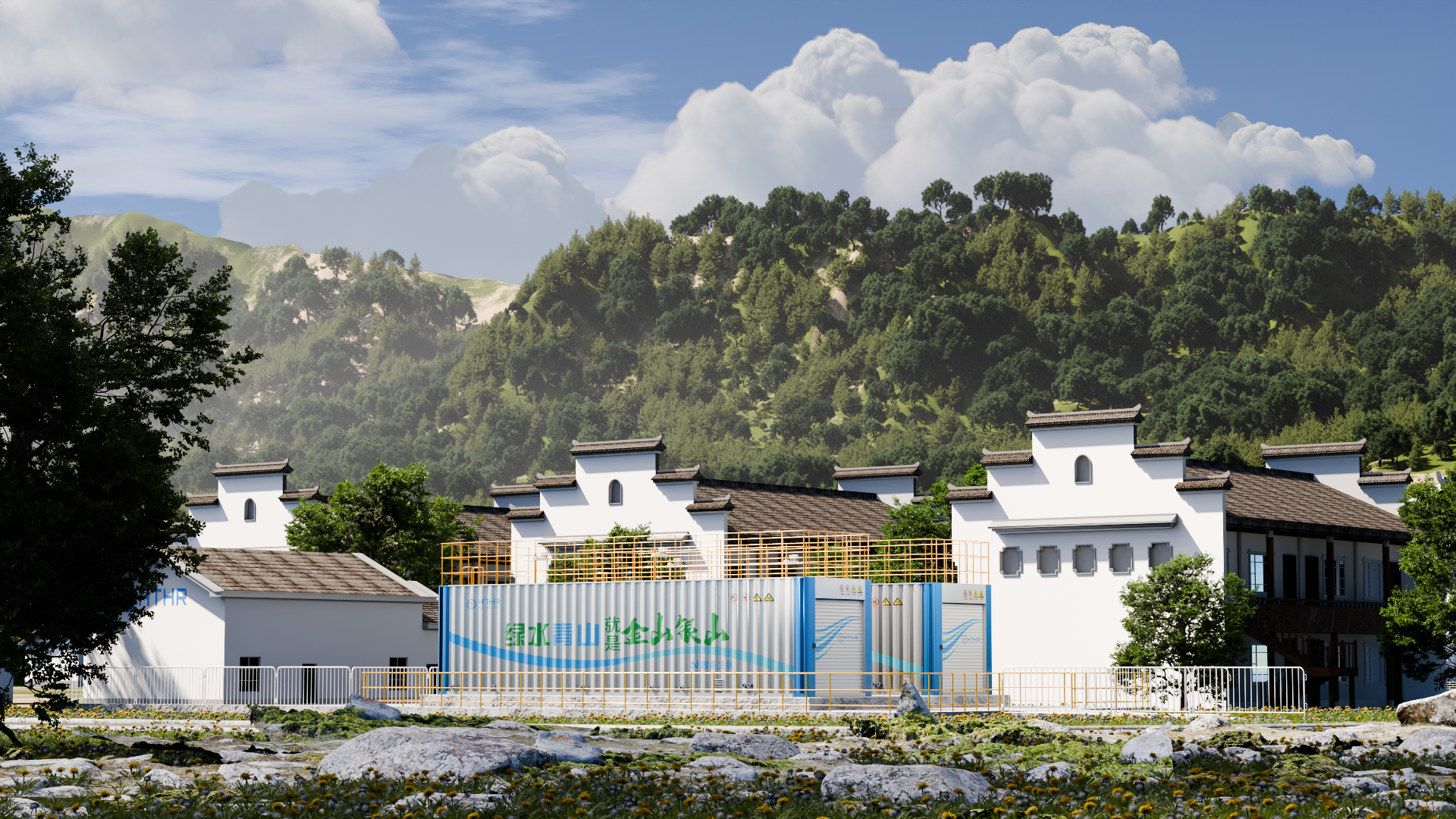
- Small water volume and scattered stations: the processing capacity of a single station is 50~300 m ³/day, which cannot support a full-time operation and maintenance team and the operation cost remains high.
- Water quality fluctuates violently: the peak-to-valley ratio of township domestic sewage is as high as 1:5~1:8 in the morning, the impact resistance of traditional technology is insufficient, and the effluent frequently exceeds the standard.
- Lack of professional operation and maintenance personnel: lack of sewage treatment professionals in villages and towns, lag in equipment failure detection, long-term "operation with illness"
- Emission standards continue to improve: the new standard requires effluent water to reach Class A, which is generally not met by existing oxidation ponds, septic tanks and other processes
- Local finance is unsustainable: high operating costs conflict with local limited financial resources, and project sustainability is poor
In response to the above five challenges, we have launched a decentralized township sewage treatment overall solution with improved A²O + filter cloth filter as the core, systematically solving the above pain points from three dimensions: process design, automatic control, and remote operation and maintenance.
2. Overview of the plan
This plan takes the improved A²O biological treatment process that has been verified by engineering as the core, and the rear end is equipped with a filter cloth filter depth filtration unit. It matches the PLC automatic control system and the 4G cloud remote monitoring platform throughout the process to build an integrated solution of"stable process control, intelligent operation and maintenance".
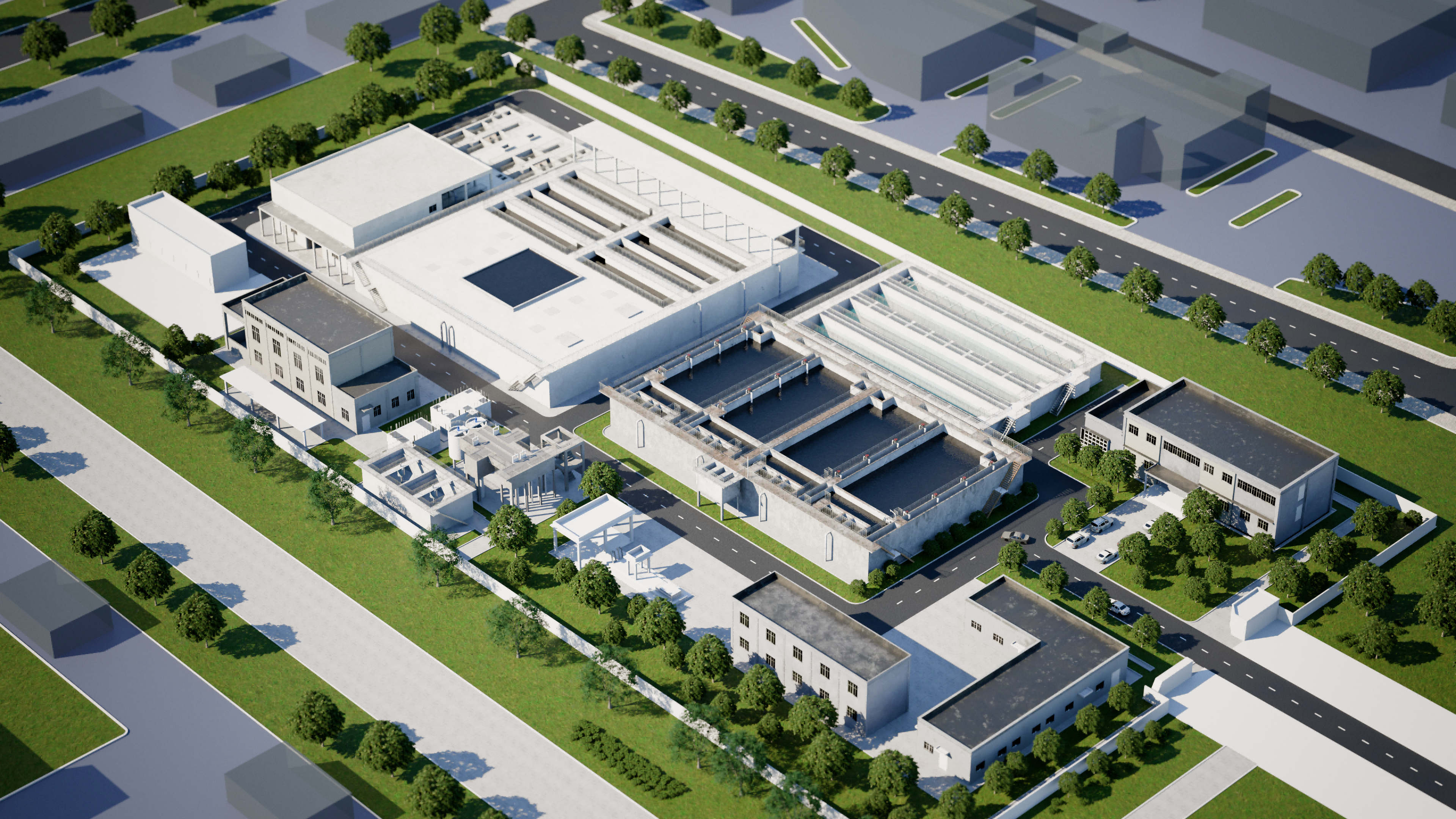
complete process flow
Raw water enters the grid interception and regulation tank, homogenization and anaerobic zone (phosphorus release), anoxic zone (denitrification), aerobic zone (nitrification and degradation)
→Inclined plate secondary sedimentation tank filter cloth filter (deep filtration) disinfection unit effluent discharge meets standard
Excess sludge gravity concentration and spiral dewatering sludge cake outward
Five technical optimizations for improved A ²O process
① Segmented water inlet design:Aiming at the low C/N bit points of township sewage, introduce raw water into anaerobic and anoxic areas in stages to optimize carbon source allocation and increase denitrification efficiency by more than 30%
② Strengthen anaerobic phosphorus release:Extend HRT in the anaerobic zone to 1.5 - 2.0 h to ensure sufficient biological release of phosphorus under fluctuating influent conditions and reduce chemical phosphorus removal drug consumption by 20 - 30%
③ Intelligent reflux control: Thevariable frequency internal reflux pump is linked to the ORP sensor to dynamically adjust the internal reflux ratio (100%~300%), and the TN removal rate is stable at 70%
④ Precise frequency conversion aeration:DO sensor +PID algorithm + frequency conversion blower trinity, accurately maintains dissolved oxygen at 1.5~2.5 mg/L, saving electricity by 25%~35%
④ Filter cloth filter depth filtration:fiber rotary disc filtration, accuracy of 10~20 m, effluent SS 10 mg/L, fully automatic backwashing, free of replacement for 5~8 years
3. Ensure that effluent water quality meets standards
The design goal of effluent quality of this plan is to fully meet the Class A standard of the "Pollutant Discharge Standards for Urban Sewage Treatment Plants" GB18918 -2002.
|
water quality objectives
|
Typical influent concentration
|
Level A limit
|
Water outlet in this plan
|
Main removal unit
|
|
COD(mg/L)
|
150~350
|
≤50
|
30~45
|
Aerobic degradation + filtration
|
|
Ammonia-nitrogen (mg/L)
|
20~50
|
≤5(8)
|
3~5
|
aerobic nitrification
|
|
Total nitrogen TN (mg/L)
|
25~60
|
≤15
|
10~14
|
anoxic denitrification
|
|
Total phosphorus TP (mg/L)
|
2~5
|
≤0.5
|
0.3~0.5
|
Biological phosphorus removal + chemical assistance
|
|
Suspended solids SS (mg/L)
|
100~250
|
≤10
|
5~10
|
cloth filter
|
|
Fecal coliforms (units/L)
|
large number
|
≤1000
|
≤100
|
UV + disinfection
|
Over-standard Incident Response Service Mechanism: When the effluent turbidity sensor detects the risk of exceeding the standard, the system automatically switches to the emergency reflux mode and returns the effluent to the regulation pool for re-processing to ensure that the excess sewage does not enter the natural water body.
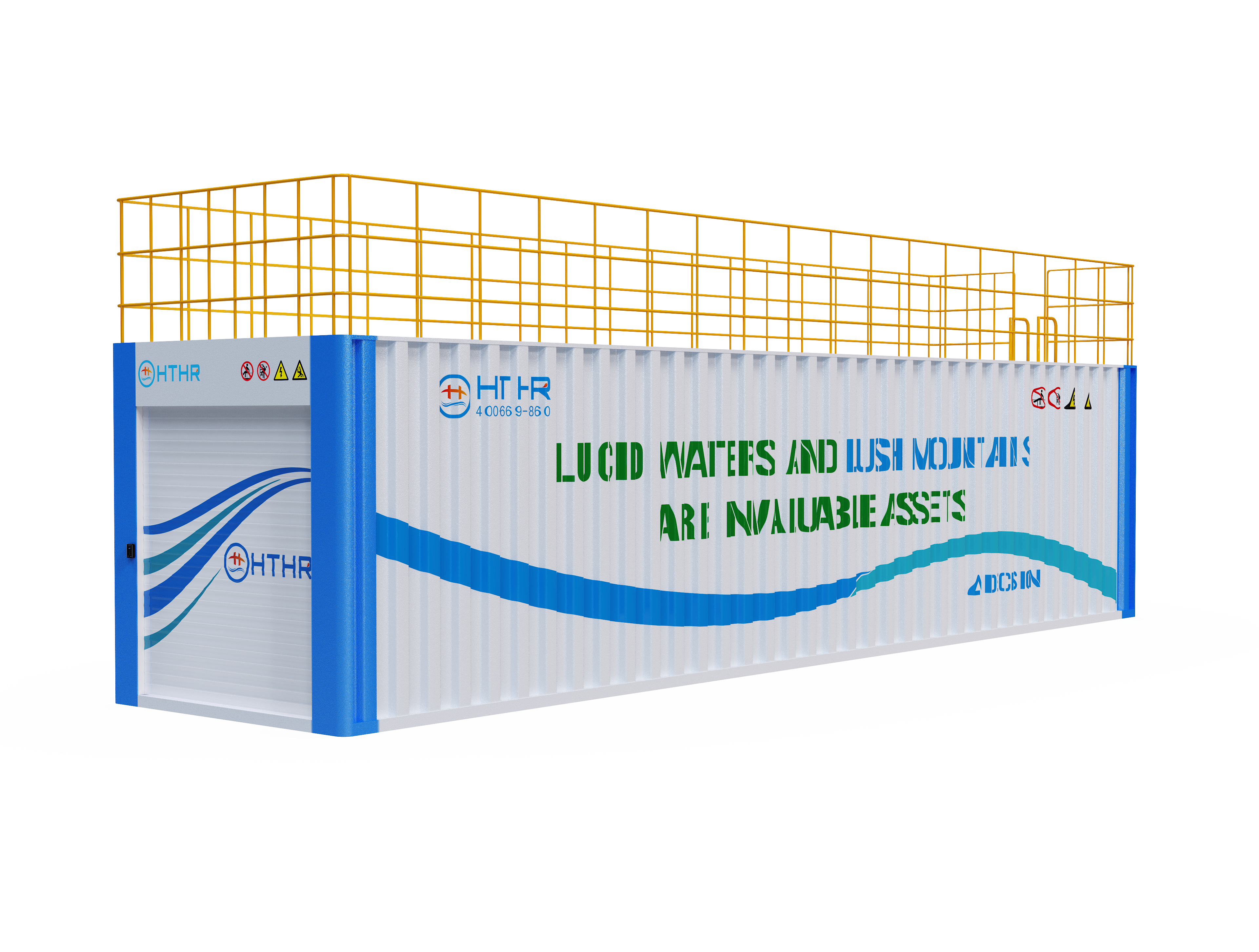
4. Unattended operating system
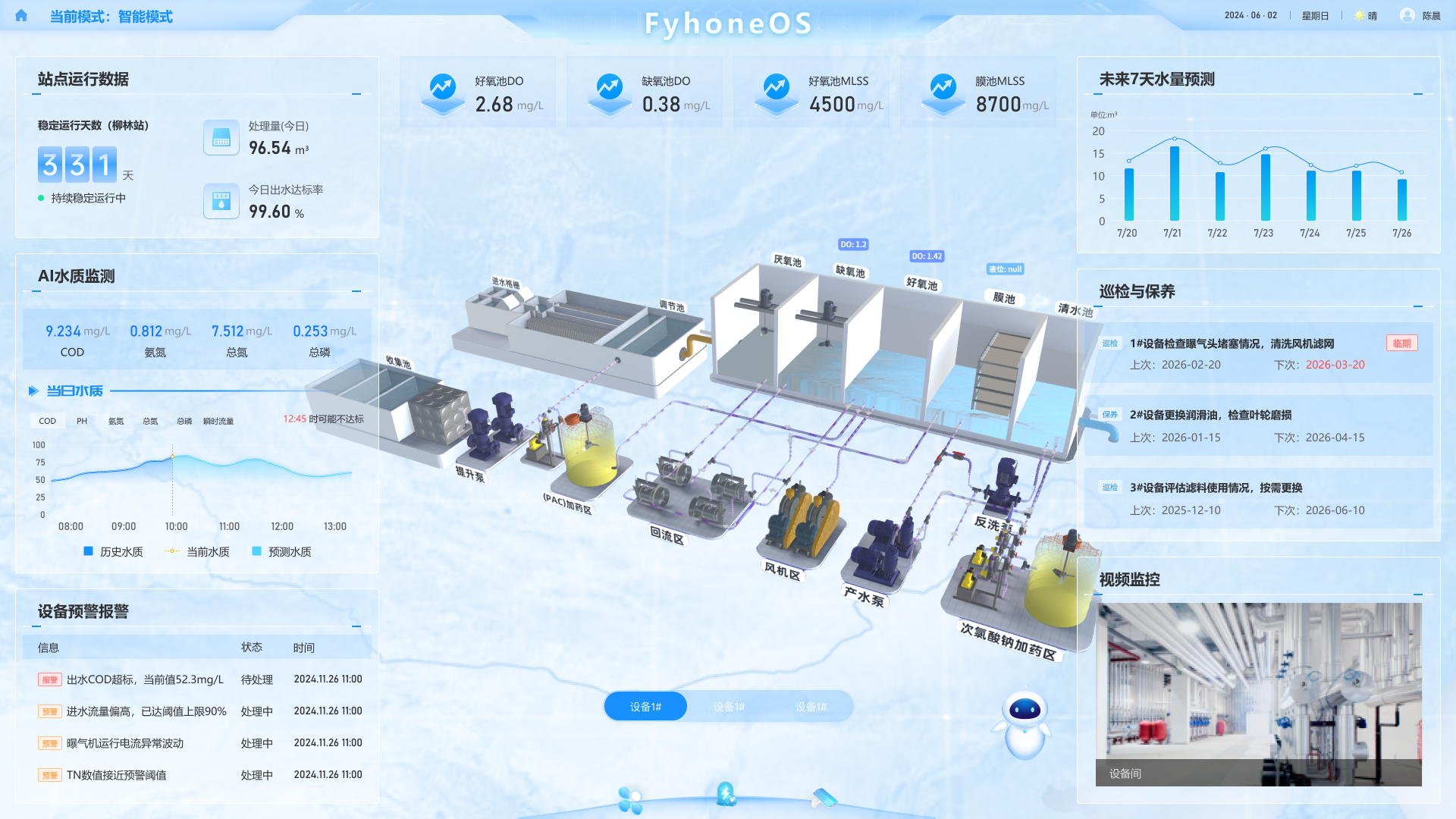
Unattended is not a simple "remote viewing", but the system has complete self-sensing, self-adjustment, self-warning, and self-repair capabilities.
Online sensing, multi-parameter real-time monitoring
Comprehensive online monitoring network covering influent water quality (COD, ammonia nitrogen, pH, flow), process parameters (DO, ORP, sludge concentration), effluent water quality (turbidity, residual chlorine) and equipment status (current, vibration, liquid level), data is uploaded in real time, and any abnormality triggers a response within 1 minute.
Automatic control PLC precise execution
- Automatic aeration control: DO feedback PID operation frequency conversion speed regulation, response time of 30 seconds
- Automatic drug dosing control: When the total phosphorus in effluent exceeds the standard warning, PAC dosing will be automatically started for accurate dosing, reducing drug consumption by 20%~30%
- Equipment redundancy switching: When key equipment (pumps, fans) fails, the standby unit will automatically switch over, which is completed in 10 seconds
- Automatic backwashing of filter cloth: triggered by head loss, fully automatic execution without manual operation
Remote monitoring and cloud unified management
- 4G wireless transmission, support multi-site unified monitoring, mobile phone/PC can view it at any time
- Hierarchical alarm push: Device failure SMS +APP push, hierarchical notification to webmasters, engineers, and management
- Remote parameter adjustment: Authorized personnel can remotely modify operating parameters to reduce on-site travel
- Regulatory data docking: Support automatic docking with the ecological environment department platform,Automatic data reporting
5. Specification configuration reference
|
Processing scale (m ³/day)
|
Reference floor area (m ²)
|
Installed power (kW)
|
Operating cost per ton of water (yuan)
|
applicable scenarios
|
|
50
|
80~100
|
8~12
|
0.8~1.2
|
Small administrative villages, natural villages
|
|
100
|
120~160
|
15~20
|
0.7~1.0
|
Large administrative villages and small market towns
|
|
150
|
160~200
|
22~28
|
0.65~0.90
|
Medium-sized market towns, tourist attractions
|
|
200
|
200~250
|
28~35
|
0.60~0.85
|
Supporting facilities for larger market towns and industrial parks
|
|
300
|
260~320
|
38~50
|
0.55~0.80
|
Large-scale market town and multi-village joint processing
|
Note: The floor area includes equipment, operation channels and sludge treatment areas; the operating cost per ton of water includes electricity bills, pharmaceuticals, and daily consumables, and excludes overhaul costs and depreciation. The actual data varies due to site conditions and influent water quality, and the on-site investigation results shall prevail.
6. Project implementation process
From project establishment to formal delivery and operation, the standard project implementation cycle is 90 to 120 days, providing technical support throughout the process:
Stage 1 (1 - 2 weeks):Feasibility demonstration of the design of on-site investigation water quality testing process plan
Phase 2 (4 to 6 weeks):Equipment procurement, manufacturing, civil engineering, construction, pipeline installation
Stage 3 (2 to 3 weeks):Equipment installation, debugging, control system, joint debugging instrument calibration
Stage 4 (3 to 4 weeks):System commissioning, optimization of sludge culture parameters, water quality acceptance
Phase 5 (1 week):Official delivery of operation and maintenance training remote platform opening operation and maintenance contract signing
7. Answers to frequently asked questions
Q: The township network signal is poor. Can the remote monitoring system operate normally?
A: The system adopts the "edge computing + cloud collaboration" architecture. The core control algorithm is deployed in the on-site PLC, so that the device can still operate autonomously according to local logic when the network is interrupted. The edge gateway can store data locally for 7 days and automatically replenish it after network recovery, without affecting the integrity of historical data.
Q: The water quality of the inlet water has changed greatly. Can the system cope with it?
A: The adjustment pool is designed with a residence time of 8 hours, which can effectively balance the peak and valley of water volume in the morning and evening (peak-to-valley ratio 1:8) and water quality fluctuations. The aerobic area adopts DO closed-loop control to automatically adapt to changes in inlet water load; when the outlet water exceeds the standard, the reflux emergency mode is automatically triggered to ensure stable compliance.
Q: There are no professionals in our towns. Is it difficult to get started with the system?
A: The system is designed to operate normally without professional personnel stationed. On-site management and maintenance personnel (village level) can complete daily inspections (observe equipment operating status, check liquid levels, replenish chemicals) after 1 to 2 days of training. Professional operation and maintenance engineers monitor through remote platforms and go to the site to handle early warnings. One person can host 5 to 10 sites.
Q: Compared with MBR membrane method, what are the advantages of this solution?
A: The effluent water quality of both schemes can reach Class A, but there are significant differences in operation and maintenance costs and convenience. MBR membrane modules need to be replaced every 3 to 5 years, which is costly and requires regular chemical cleaning, which places high requirements on operation and maintenance professionals. Filter cloth filter has a service life of 5 to 8 years and only requires physical backwashing (fully automatic). The operating cost is lower and it is more suitable for unattended scenarios in towns and villages.
Get customized solutions today
Based on your project scale, site conditions and influent water quality, we provide free technical consultation and preliminary plan design


 hthrjt2017@gmail.com