The data-driven future: How can the massive data generated by sewage treatment equipment be turned into assets?
- release date: 2026-02-12 18:05:32
- author: Hongtai Huairui
- Reading: 899
- key words: Data-driven、Sewage treatment equipment、Massive data processing for sewage treatment equipment、Transform data from sewage treatment equipment into assets
Against the backdrop of global water scarcity, wastewater treatment equipment is generating massive amounts of data, transforming from “useless redundancy” into “core assets.” This transformation is driven jointly by policy, technology, capital, and social participation. It is particularly evident in the water-scarce Middle East and in Southeast Asia’s water sector transformation, outlining a clear path toward data assetization.
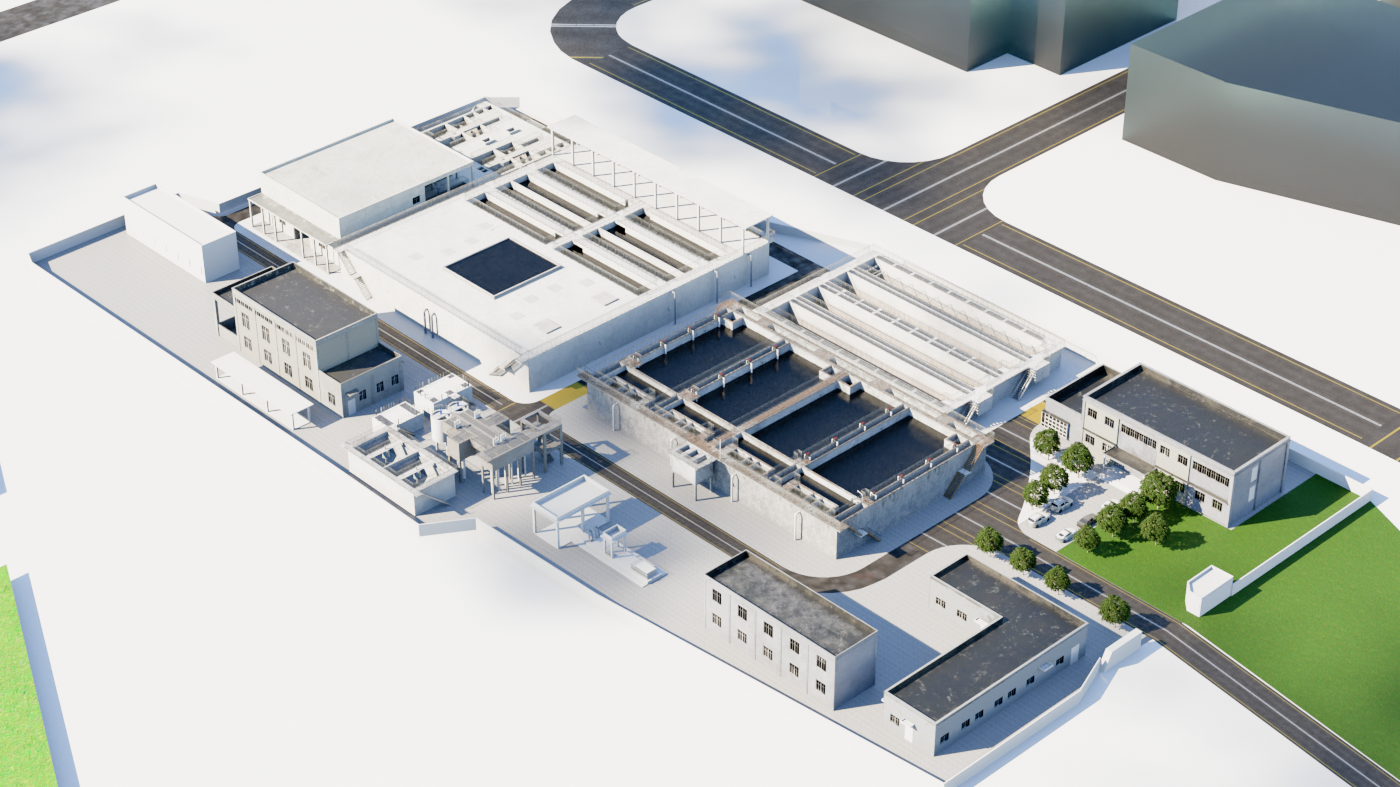
As the most water-scarce region in the world, every drop of water in the Middle East is a strategic resource—and it is also where the value of wastewater data first awakened. Saudi Arabia’s “Vision 2030” focuses on water security, planning to invest approximately $9.33 billion over the next five years in water cycle projects; the UAE is advancing AI-powered smart water networks, and Dubai has made it clear that by 2030 it will achieve 100% water reuse within its jurisdiction. At the core of these plans lies a profound recognition of the value of wastewater data.
Policy dividends are giving rise to a wave of data assetization. Saudi Arabia’s “Vision 2030” positions data-driven approaches as the core means of achieving efficient water resource utilization; the UAE’s “National Water Security Strategy 2036” applies digital twin technology, reducing energy consumption in key desalination projects by 20%, and Dubai plans to further cut seawater desalination energy consumption by 30% by 2030. Kuwait has strengthened environmental regulations, compelling enterprises to install intelligent monitoring systems, while Bahrain is promoting reclaimed water reuse and exploring the commercial value of household water consumption data.
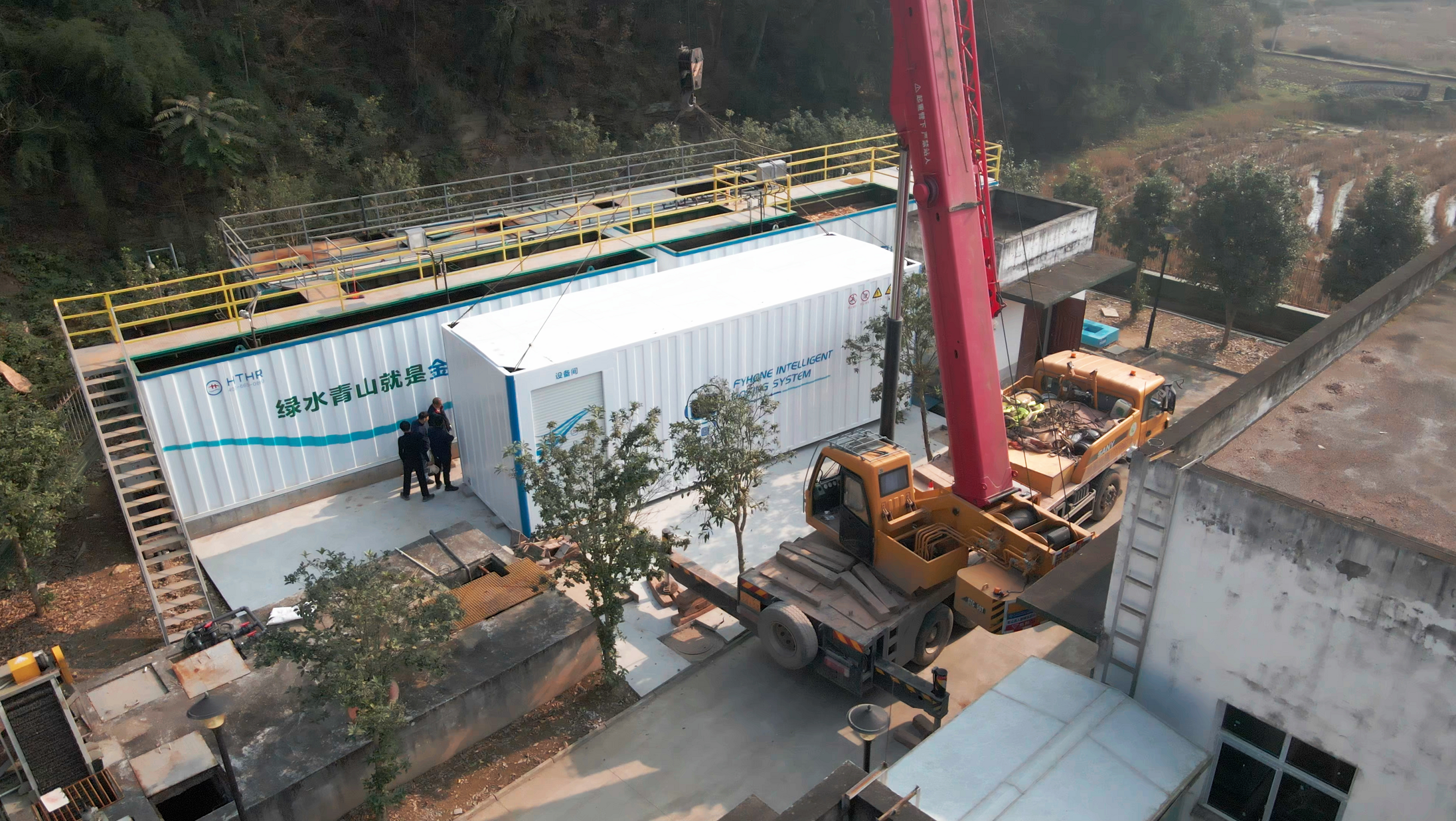
Technological innovation is unlocking data value. The Jumeirah Beach wastewater treatment plant in Dubai, a ZLD demonstration project, uses sensors to monitor water quality in real time, effectively reducing treatment costs; Saudi Arabia’s NWC has built a full-chain monitoring system, leveraging the Internet of Things and predictive algorithms to continuously reduce pipeline leakage rates, creating significant annual value through water savings.
Capital is accelerating data monetization. The Dubai International Financial Centre is promoting green finance; in 2024, some green bonds issued by Chinese-funded institutions were partially invested in water data platforms. Saudi Arabia’s PIF-affiliated enterprises have invested $3 billion to build data centers to support water data operations. Abu Dhabi is promoting the PPP model, making data services an important source of revenue, with private enterprises gaining stable cash flow through data services.

Southeast Asia is undergoing a smart water transformation amid monsoon climates, where data is likewise a core driving force. The region’s urbanization rate exceeds 4% annually, and industrial recovery combined with extreme droughts and floods is driving expansion of the water treatment market while highlighting the value of wastewater data.
The ASEAN “Strategic Action Plan on Water Resources Management” calls for the establishment of unified monitoring standards and data-sharing platforms, and Thailand and Vietnam have incorporated digital water management into their national strategies. Selangor State in Malaysia has built a smart water management system, achieving full-chain transparent management and significantly improving pollution treatment efficiency.
The tropical monsoon climate forces adaptive data-driven solutions. During the rainy season in Southeast Asia, water flow is 3–5 times that of the dry season. The Bung Khla community in Thailand has effectively reduced pipeline leakage rates through AI leak detection and water pressure sensors; the Philippines and Indonesia have adopted decentralized treatment systems, leveraging the Internet of Things for remote management and control; Singapore’s “Smart Water Grid” optimizes dispatch through data analysis, achieving a comprehensive water resource utilization rate of over 80%.
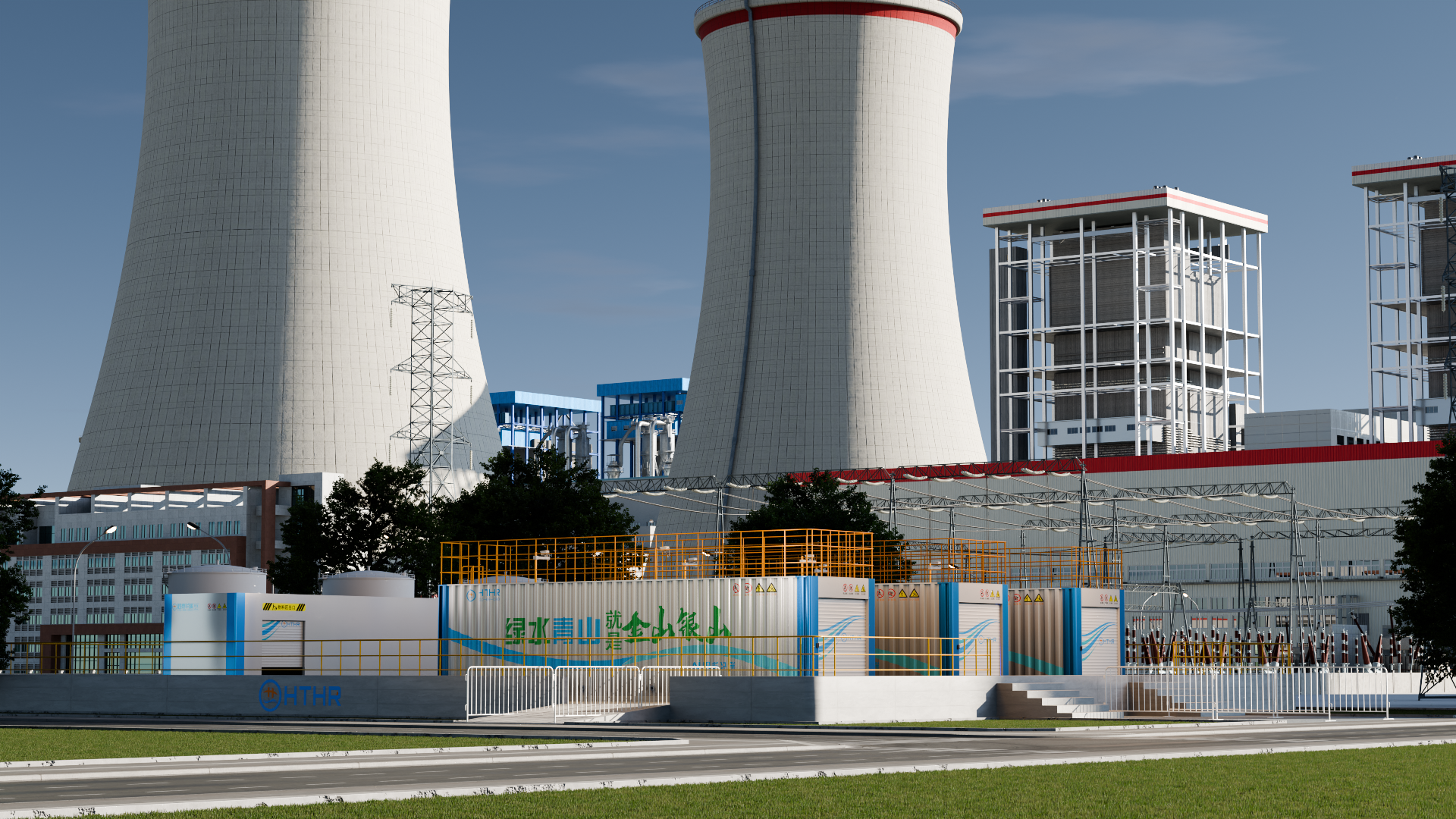
Social innovation has made the assetization of data more dynamic. Thailand’s “citizen science” projects mobilize the public to participate in water monitoring, significantly accelerating the detection of community pollution; Vietnam has built a water rights trading platform using blockchain, where data serves as the core credential; Cambodia applies data to smart irrigation, improving agricultural water-use efficiency.
Global data assetization has three progressive levels: through real-time monitoring and predictive maintenance, equipment failure rates can be reduced by 35% and operation and maintenance costs by 20%; in-depth analysis of water quality data enables the development of diversified water-use products; relying on data platforms to integrate resources makes it possible to build a complete water services ecosystem.

Israel achieves precise allocation of water resources through big data, with a wastewater reuse rate exceeding 85%; Singapore’s NEWater project relies on data-driven approaches to bring reclaimed water up to drinking water standards. Both demonstrate that turning data into assets is inseparable from the coordinated efforts of policy, technology, capital, and society.
As technologies such as AI and the Internet of Things mature, wastewater data will become a core production factor in water resource management. In the future, wastewater treatment plants will become “data factories” and “water resource banks.” The Middle East will build solar-powered smart water plants, and Southeast Asia will achieve full coverage of decentralized treatment systems.
As the UAE Minister of Energy stated: “Future water resource management will no longer be about water itself, but about data and intelligence.” Wastewater data is shifting from a cost center to a value center, becoming a new engine driving sustainable development.


 hthrjt2017@gmail.com