I have compiled these rules and countermeasures for abnormal changes in dissolved oxygen (DO)!
- Release date: 2025-11-20 15:23:40
- Author: 鸿泰华瑞
- Reading: 710
- Keywords: Dissolved oxygen, DO
Hongtai Huarui Technology Group welcomes your visit. We have been dedicated to the environmental protection and governance industry for over a decade! We look forward to a cooperation with you!




Product Certification

Invention Patent

Software copyright

QPC Certification

Environmental Protection As56ciation

Credit rating

19102876179

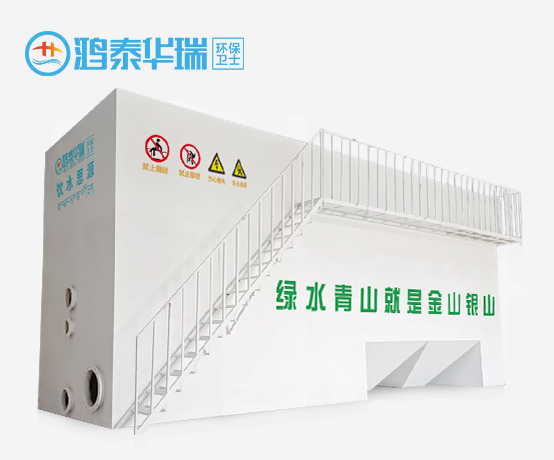
Click to learn about the product:Integrated water purification treatment equipment
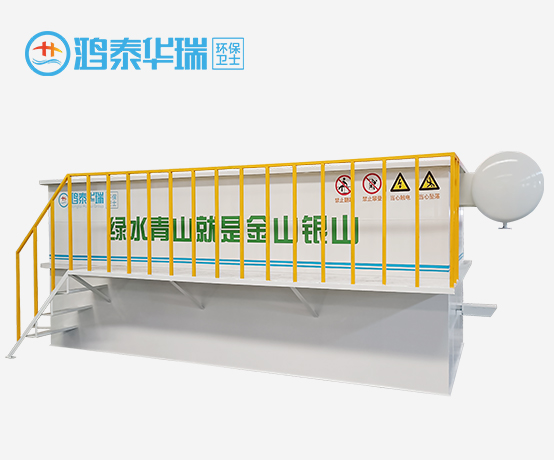
Click to learn about the product:Dissolved air flotation machine
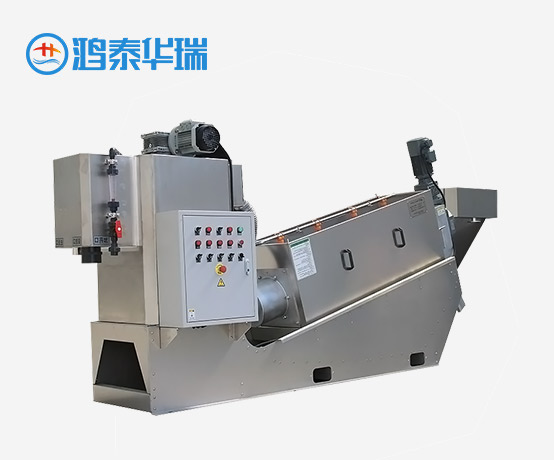
Click to learn about the product:Stacking screw sludge dewatering machine
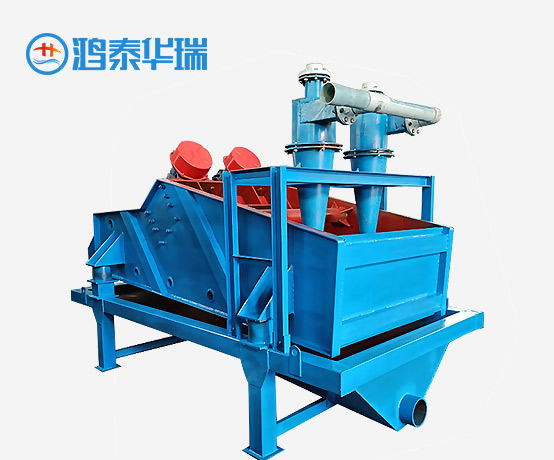
Click to learn about the product:Sand washing and recycling integrated machine
DO is the abbreviation of Dissolved Oxygen, which is a parameter that characterizes the concentration of oxygen in aqueous solution, and is free oxygen dissolved in water. Dissolved oxygen is measured in mg/L, expressed in milligrams of oxygen per liter of water. The amount of dissolved oxygen in water is an indicator of the self-purification ability of water bodies. High dissolved oxygen is conducive to the degradation of various pollutants in the water body, so that the water body can be purified quickly. On the contrary, dissolved oxygen is low, and pollutants in water degrade slowly.
In daily operation management, the DO value should not be too high or too low. At present, the DO value recognized in the industry should be controlled at about 2mg/L, and the actual operation should be determined according to the specific situation of each factory.
However, the DO value of treatment plants for the purpose of biological nitrification and denitrification is usually higher than that required for conventional treatment, because nitrifying bacteria are transgenic aerobic bacteria, which stop their activity without oxygen, and their oxygen uptake rate is much lower than that of bacteria that decompose organic matter, so the nitrification system needs to maintain a high concentration of DO.
DO abnormalities are manifested as DO too high and too low. The phenomenon of low DO can be divided into two situations: a sharp decrease in DO in a certain period and a gradual decrease in DO under the same blast condition.
High concentration of organic wastewater (dissolved BOD) flows in. High-concentration organic wastewater mainly refers to food processing wastewater, brewing industry wastewater, papermaking wastewater, etc., and BOD is easily decomposed and removed by activated sludge, resulting in increased oxygen consumption and reduced DO.
Discharge of high oxygen consumption sewage. The inflow of sludge accumulated in the sewage pipe network or sedimentation tank, the large inflow of the supernatant of the concentration tank or digester, and the inflow of industrial wastewater such as oil wastewater with high oxygen consumption, industrial wastewater from leather processing plants, printing, fiber, and chemical synthesis wastewater can lead to a sharp decline in DO.
Affects the inflow of oxygen transfer wastewater. Surfactants (such as short-chain fatty acids and ethanol), highly viscous substances, grease, etc. in sewage will accumulate at the interface of gas and liquid, hindering the diffusion and transfer of oxygen molecules. Because they increase the resistance of the oxygen transfer process, the oxygen transfer coefficient decreases, the transfer efficiency decreases, and the DO decreases.
Inflow of high-concentration FeO wastewater. High-concentration FeO wastewater mainly comes from groundwater or industrial and mining enterprises such as mines, ironworks, cable factories, etc., which contain a large amount of ferrous oxide, which is easily oxidized to Fe3+, consuming a lot of oxygen, resulting in a decrease in DO.
The formula for the nitrification reaction is:
NH4+2O2→NO3-+2H++H2O
The nitrification reaction must meet the following conditions: suitable water temperature, PH and DO, and SRT > 1/Vn, where SRT refers to the age of the sludge and Vn refers to the specific growth rate of nitrifying bacteria.
In a sewage treatment plant operating with the same SRT, the specific growth rate of nitrifying bacteria Vn increases with the increase of temperature, or due to the sharp decrease in the discharge of residual sludge, when the conditions for nitrification are met, the nitrification reaction will suddenly occur.
Under the same blasting conditions, DO gradually decreases, mostly due to clogging of the aerator head or aging of the aeration film. Possible causes of clogging are excessive dust in the air, incomplete filtration of the blower, blower cooling oil entering the pipes, rust inside the aeration pipe, and rust residue blocking the aerator head causing DO to drop.
The aging of the aeration film will cause the bubbles to become thicker and dispersed, and the larger bubbles will reduce the contact area between the gas phase and the liquid phase, shorten the contact time between the two, so that the oxygen transfer efficiency will be reduced, and the DO will gradually decrease under the same aeration situation.
Due to the large discharge of residual sludge, or the sludge is lost with the effluent due to sludge expansion in the secondary sedimentation tank, or the influent load is too high, the concentration of activated sludge in the aeration tank will decrease, and the oxygen consumption will also decrease, so the DO will rise.
The influent concentration is too low. For the drainage system of rain and sewage confluence, due to long-term rainfall and a large inflow of snowmelt water, the inlet load of the aeration tank will be too low, causing the DO to rise.
The influx of toxic and harmful substances. Because the inflow of industrial wastewater will cause the entry of toxic and harmful wastewater, the aerobic rate of activated sludge will decrease and DO will increase. For example, excessive heavy metals are inhibitors and fungicides of bacteria, bleach powder, liquid chlorine, etc. have strong lethality on bacteria, and these substances can lead to a large number of bacterial deaths.
Massive influx of wastewater containing strong oxidants. Strong oxidants such as potassium permanganate can oxidize the cellular material of bacteria, hindering the normal metabolism of bacteria and even dying, which will inevitably lead to a decrease in microbial oxygen demand and an increase in DO.
The nitrification reaction stops. When the nitrification reaction stops due to the decrease in water temperature or the shortening of the sludge age, the oxygen consumption decreases and the DO increases.
In addition to the above factors, water temperature can also have an impact on DO. In the temperature range where the microbial enzyme system is not affected by denaturation, the rise in water temperature will make the microbial activity vigorous and increase the reaction speed. The rise in water temperature is also conducive to physical processes such as mixing, stirring, and sedimentation, but it is not conducive to the transfer of oxygen.
For biochemical processes, it is generally believed that the water temperature is the best at 20~30°C, and the purification effect above 35°C and below 10°C will be reduced. When the temperature of the incoming water suddenly increases, such as the water temperature exceeds 40°C, it will cause protein deterioration and oxygen inactivity, resulting in the deterioration of treated water quality.
Dissolved oxygen is an important indicator of the operation control of the aeration tank of activated sludge process, and the activity of activated sludge can be determined by the consumption of dissolved oxygen. Good activated sludge has a large oxygen demand, and the DO in the mixture disappears quickly after sampling, even if it is oxygenated for a few minutes, it will be consumed, while the deactivated sludge will not be consumed after several minutes.
Due to the different sizes of activated sludge flocs, the minimum dissolved oxygen concentration required is also different, the smaller the flocculant, the larger the contact area with the sewage, and the more suitable it is for sample intake, the smaller the required dissolved oxygen concentration. On the contrary, the larger the flocculant, the greater the dissolved oxygen concentration required.
Dissolved oxygen should not be too low, because too low dissolved oxygen cannot meet the oxygen demand of the aeration tank microbial metabolism, resulting in a decrease in the number of microorganisms, hindering the normal metabolic process, breeding filamentous bacteria, declining sludge purification function, and incomplete decomposition of organic pollutants, affecting the effluent effect. If the DO in the outlet section is too low for a long time, it can also lead to denitrification of the secondary sedimentation tank and cause the sludge to float.
Dissolved oxygen should not be too high, because too high dissolved oxygen means that too much energy is consumed, and it will also cause an excessive increase in actinomycetes that prefer high DO, affecting the treatment effect.
In addition, over-aeration will cause part of the sludge to not be able to settle and become floating sludge, and may also cause sludge disintegration or peroxidation, which will destroy the balance of activated sludge bionutrients, reduce the microbial mass and lose activity, reduce the adsorption capacity, shrink the flocculate and dense, and reduce the sludge volume index SVI. Over-aeration can also cause abnormal phenomena such as increased foam in the aeration tank. Therefore, the higher the dissolved oxygen in the aeration tank, the better.
For the traditional activated sludge method and its deformation process, the DO value should be reduced as much as possible without affecting the effluent. For the traditional activated sludge method, the maximum oxygen demand is in the first section of the aeration tank where the sewage and sludge begin to contact and mix, that is, in area I. For activated sludge processes that do not require nitrogen removal, the dissolved oxygen in Zone I. (inlet area) is controlled between 0.8~1.2mg/L, Zone II. (intermediate zone) is controlled between 1.0~1.5mg/L, and Zone III. (outlet area) is controlled at about 2mg/L to meet the treatment needs. The dissolved oxygen in the outlet area is slightly higher for the full absorption of phosphorus and to prevent the sludge from floating anaerobically in the secondary sedimentation tank.
DO abnormalities also indirectly reflect abnormalities in influent water quality or process control, and different countermeasures should be taken based on the causes of their occurrence. If there is a problem with the quality of the influent water, communication with the environmental protection department should be strengthened, the source of water quality should be identified, the source management should be strengthened, or the peak period should be avoided in a timely manner, and the amount of water inflow should be reduced in different periods. If the DO abnormality caused by the process control is caused by the above phenomenon, it should be adjusted according to the cause of the above phenomenon.
In addition, due to the high water temperature in summer, the amount of aeration should be appropriately increased, and in winter, the opposite is true. If the dissolved oxygen caused by the blockage of the aeration system drops, the aeration tank should be completely overhauled, the aeration membrane should be cleaned or replaced, and the internal blockage of the aeration pipe should be cleaned, so that the air can enter the aeration tank smoothly and provide the normal amount of dissolved oxygen for microorganisms.
All in all, DO is an extremely important process control method in activated sludge method, and its value will have an impact on a series of indicators. When DO is abnormal, it should be carefully analyzed, prescribed the right medicine, adjusted in time, and tried to control the abnormality to the minimum range to make the sewage discharge standard.
Previous article:How to calculate the sludge index (SVI)?...
Next article:How to improve TN removal rate? I summar...
The content you might be interested in
Click to learn about the product:Integrated water purification treatment equipment
Click to learn about the product:Dissolved air flotation machine
Click to learn about the product:Stacking screw sludge dewatering machine
Click to learn about the product:Sand washing and recycling integrated machine
Environmental Protection Information
Recommended Products